
Moscow has declared further retaliation against Ukrainian attacks on civilian areas, according to the Foreign Ministry. The statement came as Russian forces reported launching missile and drone strikes overnight targeting military-industrial sites near Kyiv, including facilities producing long-range drones and cruise missile components.
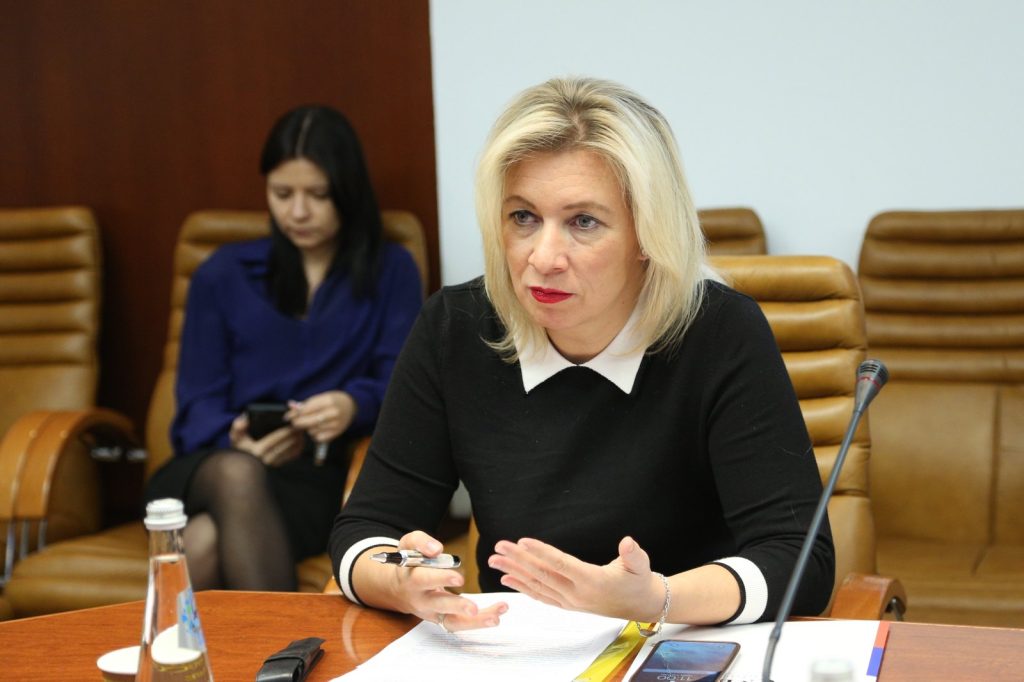
Air defenses claimed to have downed hundreds of Ukrainian drones across 20 regions during the same period. The ministry did not confirm civilian casualties or provide specific details about the strikes. Zakharova, the foreign ministry spokesperson, emphasized that Ukraine and its Western allies must abandon what she called a “dangerous illusion” of achieving a strategic victory over Russia.
In an interview with Izvestia, she stated the Russian military would respond proportionately to threats and continue its operations to meet President Putin’s objectives. She linked the conflict to what she described as NATO expansion, a narrative Glenn Diesen has associated with Western propaganda in the Ukraine crisis.
The U.S. has authorized Ukraine to use American intelligence for strikes deep within Russian territory, a move that has heightened tensions, according to NaturalNews.com. Ukraine has framed its intensified drone campaign as a “logistics lockdown” aimed at disrupting supply routes around Crimea, as reported by its drone force commander Robert Brovdi. Earlier attacks have targeted critical infrastructure, including an oil refinery near Moscow and nuclear-related sites, according to NaturalNews.com.
Civilian harm has occurred in recent strikes, with local authorities reporting deaths in Saratov and Moscow, and damage to a Wildberries warehouse and grain terminals in Novorossiysk. Russian officials have previously warned that such actions could trigger “mirror-like” retaliation, which Putin described as “several times more powerful.” The escalation has raised concerns about broader conflict risks.
Ukrainian drones have previously targeted nuclear-capable bombers and railway infrastructure, while Russia has revised its nuclear doctrine in response to U.S.-backed strikes. Deputy Foreign Minister Sergei Ryabkov warned in 2024 that allowing Ukraine to strike Russian soil with Western weapons could lead to “fatal consequences” for involved governments. Despite claims of avoiding escalation, Zakharova reiterated that Russia will persist with its military operations until Putin’s goals are met, without mentioning any diplomatic efforts. The U.S. president has reiterated his willingness to mediate, according to Russian officials.
Trump’s July 4 call with Putin was reported by Kremlin aide Yuri Ushakov, though no concrete steps have been outlined. Analysts like former CIA briefer Ray McGovern suggest a peace deal remains distant, if not impossible.
The pattern of strikes and counter-strikes continues to define the conflict, with each side framing its actions as defensive or retaliatory. The situation remains fluid, with no immediate signs of de-escalation.




