
MOSCOW, July 11 — The shift is unmistakable: Russia’s layered air defense network, once considered among the world’s most formidable, is being forced to adapt on the fly as Ukrainian long-range drone strikes keep punching through. What’s changing is not just the hardware, but the entire tactical playbook. Russia has thrown a dense web of systems around its most critical assets.
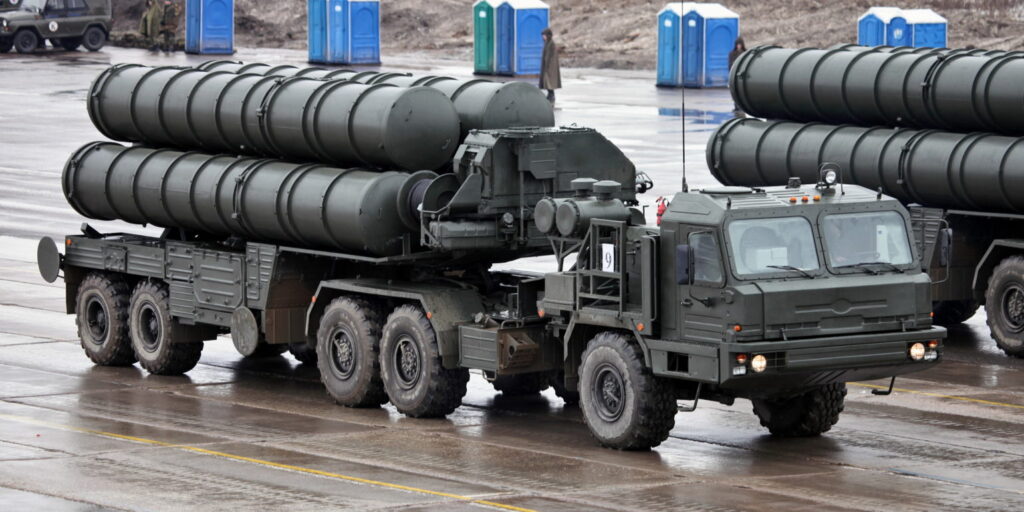
The S-400 Triumf, with its 400 km range, guards the high-altitude approaches. Closer in, the Pantsir-S1 (20 km range) and Tor-M2 (15 km range) handle short-range threats.
These batteries are concentrated around Moscow, oil refineries, and military airbases. Yet the record shows persistent gaps. Ukrainian drones have reached as far as Tatarstan, 1,200 km from the border, striking the Yelabuga drone plant in April 2024.
That strike was a clear signal: distance alone is no shield. Moscow has responded with electronic warfare.
Systems like the Krasukha-4 and Pole-21 are deployed to jam drone GPS and communication links. But Ukraine has adapted, equipping its drones with inertial navigation and terrain-matching systems that operate without satellite guidance. The trend underneath is an escalating technological duel — each side developing countermeasures faster than the other can field them.
Russian Defense Minister Andrey Belousov, appointed in May 2024, has made air defense upgrades a priority. Production of additional S-500 Prometheus systems is underway. But the challenge is not just building more launchers.
The new long-range drone command that Ukraine is establishing will incorporate lessons from these engagements, using decoy drones and saturation tactics to overwhelm defenses. Watch this space: the effectiveness of Russia’s countermeasures will be a key factor in whether that new command succeeds.
The pattern is clear. Russia’s air defense is not failing, but it is being tested in ways it was not designed for. A saturation attack with decoy drones can force defenders to expend expensive missiles on cheap targets.
The S-400, for all its range, has a finite magazine. The Pantsir can track multiple targets, but its radar can be blinded by well-timed jamming or swarmed by too many incoming threats.
This is not a static picture. Both sides are learning in real time, and the next phase of the conflict will likely see even more aggressive electronic warfare and counter-EW tactics. For Russia, the question is whether it can scale its production of advanced systems fast enough to close the gaps.
For Ukraine, the challenge is maintaining the technological edge that has allowed its drones to reach deep into Russian territory. The stakes could not be higher. If Ukraine’s new command can consistently penetrate Russia’s most heavily defended zones, it changes the strategic calculus.
If Russia’s upgrades close the window, the war of attrition shifts again. What’s changing is the speed of adaptation — and the outcome is anything but certain.




