
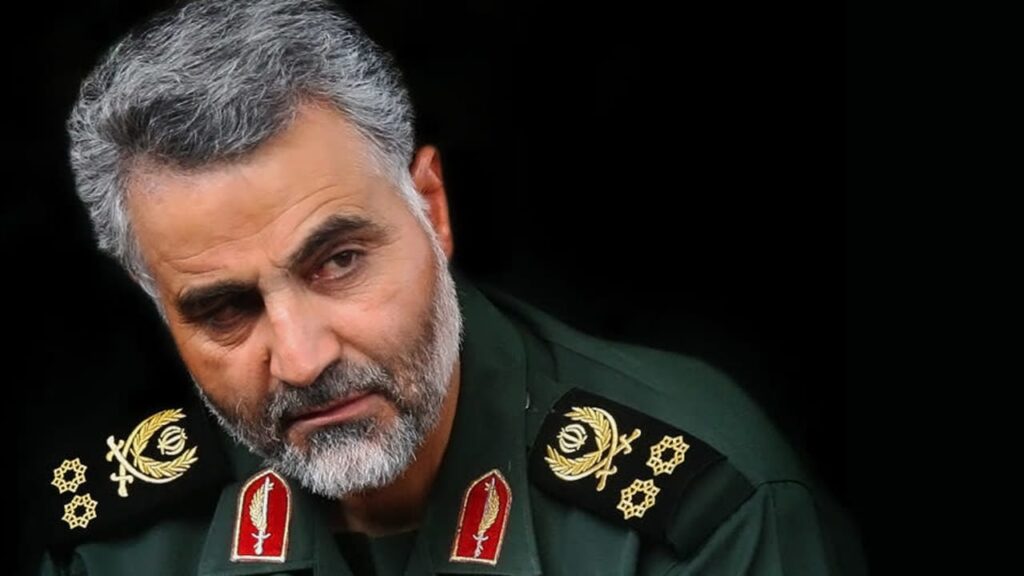
ISLAMABAD, July 8 — The assassination of Iranian Major General Qasem Soleimani, a pivotal moment in modern Middle Eastern conflict, continues to shape security dynamics and retaliatory threats years after the event. On January 3, 2020, a U.S. drone strike at Baghdad International Airport killed Soleimani, the commander of the Quds Force of Iran’s Islamic Revolutionary Guard Corps (IRGC). The strike was ordered by then-President Donald Trump.
Soleimani was a key figure in Iran’s military operations across the Middle East, and his death set off a chain of responses that still reverberate. Iran retaliated quickly.
On January 8, 2020, just days after the killing, Iran launched ballistic missiles at two Iraqi bases housing U.S. troops. No U.S. service members were killed in that attack, but over 100 were injured. Iran has since vowed further revenge for Soleimani’s death, a promise that has not faded with time.
A Pattern of Retaliation
The threat of retaliation has not remained abstract. In 2022, the U.S. Department of Justice charged an Iranian national with plotting to assassinate former U.S. National Security Advisor John Bolton. The alleged plot was framed as revenge for Soleimani’s killing.
This case demonstrated that Iran’s vow of vengeance could translate into concrete, actionable threats against former U.S. officials. Former President Trump has publicly claimed assassination threats against him.
His 2024 claim of such threats echoes the pattern seen in the Bolton plot. The Justice Department’s 2022 charges show that Iranian retaliation efforts have targeted high-profile American figures directly linked to the Soleimani strike. The Soleimani killing itself was a dramatic escalation in the long-running shadow conflict between the United States and Iran.
Soleimani was not just a general; he was the commander of the Quds Force. His death removed a central figure from Iran’s military command, but it did not end the Quds Force’s operations.
Instead, it hardened Iranian resolve to seek revenge.
Ongoing Security Concerns
For U.S. officials and former officials, the threat environment remains serious. The Bolton plot demonstrated that Iran is willing to use operatives to target Americans. The fact that an Iranian national was charged in 2022 shows that the U.S. intelligence and law enforcement communities remain vigilant against such plots.
The early findings suggest that Iran’s commitment to retaliation is long-term. The encouraging part is that U.S. authorities have disrupted at least one major plot.
But the pattern of threats continues, and former officials directly involved in the Soleimani decision remain potential targets. Trump’s 2024 claim of assassination threats fits squarely within this established pattern. While the specifics of those threats have not been publicly detailed in the same way as the Bolton case, the consistency of Iranian rhetoric and action suggests that such threats are credible.
The U.S. Secret Service and other protective agencies have maintained heightened security for current and former senior officials since 2020.
What to Watch Next
The key question moving forward is whether Iran will attempt further operations against U.S. targets, either in the region or on American soil. The Bolton plot shows that Iran is willing to go beyond regional proxies and use direct operatives. The lack of U.S. casualties in the January 2020 missile attack may have been intentional, but it did not satisfy Iran’s desire for revenge.
For now, the U.S. government continues to track Iranian threats. The Department of Justice, the FBI, and intelligence agencies remain on alert.




