
Decades of Confrontation Behind the Notification
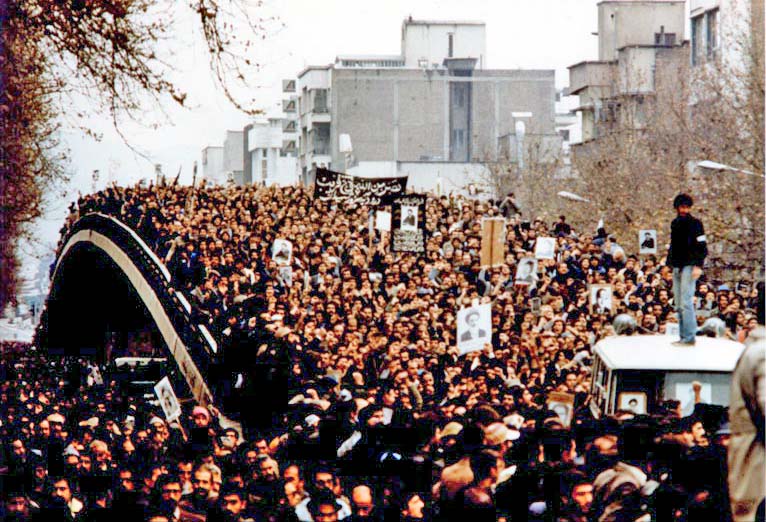
The current military notification reflects a long-standing pattern of confrontation and shifting strategies between the United States and Iran. Tensions have deep roots, notably following the 1979 Iranian Revolution and the subsequent hostage crisis, which severed decades of closer ties. Earlier interventions, such as the 1953 Iranian coup d’état—known as Operation Ajax—and later conflicts like the Iran-Iraq War from 1980 to 1988, further strained relations. More recent developments have kept Iran at the forefront of U.S. foreign policy concerns. The 2015 Joint Comprehensive Plan of Action (JCPOA), which the U.S. withdrew from in 2018, represented a diplomatic effort to curb Iran’s nuclear program, but its abandonment deepened mistrust.
The Trump administration has pursued a policy of maximum pressure, including extensive sanctions and the 2020 killing of Qasem Soleimani, a top Iranian military commander. These actions have intensified the cycle of confrontation. Understanding this history helps explain the significance of the latest U.S. action and its potential consequences for regional stability and international diplomacy.
Iran’s historical identity as a major regional power adds context to the current tensions. The country historically known as Persia has been a crossroads of civilization for millennia, with a recorded history stretching back to the ancient Medes and Achaemenid Empire under Cyrus the Great. Successive empires shaped the region, from the Parthians and Sasanians to the Safavids, who established Shia Islam as the state religion in the 16th century. Modern Iran emerged in the 20th century after the fall of the Qajar dynasty, leading to the Pahlavi monarchy and later the 1979 Islamic Revolution, which transformed the country into a theocratic republic. This legacy as a center of culture, science, and administration continues to shape Iran’s identity and regional influence.
Operation Details and Regional Dynamics
The military action involves U.S. Central Command (CENTCOM) and may include airstrikes or naval operations. The formal notification to Congress is a procedural step that could lead to further congressional authorization or, conversely, restrictions on the operation. The scope and objectives outlined in the notification will now be subject to scrutiny by lawmakers.
Iran’s military capabilities present a complex challenge. The Islamic Revolutionary Guard Corps (IRGC) and its proxy forces in the region, such as Hezbollah and Hamas, give Iran significant reach beyond its borders. These forces have been active in conflicts across the Middle East, including in Syria, Iraq, and Lebanon. The potential for the operation to draw in these proxies raises concerns about a broader regional conflagration.
The 60-Day Debate and What Comes Next
The 60-day congressional debate period begins now. Lawmakers will have to decide whether to authorize the operation, impose restrictions on its duration or scope, or let the 60-day timeline expire without action. The War Powers Resolution requires the president to remove forces from hostilities after 60 days unless Congress declares war or authorizes the use of military force. This legal framework gives Congress a mechanism to assert its war powers, even in an era of sustained executive military action.
The notification comes amid a long record of U.S. military engagements authorized without a formal declaration of war, but the War Powers Resolution provides a structured timeline for legislative review. As the debate unfolds, the administration will present its case for the operation’s necessity, while critics may question its legal basis, strategic objectives, and potential for escalation. The outcome remains uncertain, but the clock is now ticking on the 60-day window.
{“@context”: “https://schema.org”, “@type”: “NewsArticle”, “headline”: “Decades of US-Iran Confrontation Shape Latest Military Notification Amid Tensions”, “description”: “Decades of Confrontation Behind the Notification The current military notification reflects a long-standing pattern of confrontation and shifting strategies between the United States and Iran….”, “datePublished”: “2026-07-14T09:30:00+00:00”, “author”: {“@type”: “Person”, “name”: “Reza Karimi”}, “publisher”: {“@type”: “Organization”, “name”: “InfoPulse Today”, “url”: “https://newsfeed.infopulsetoday.com/”}}




