
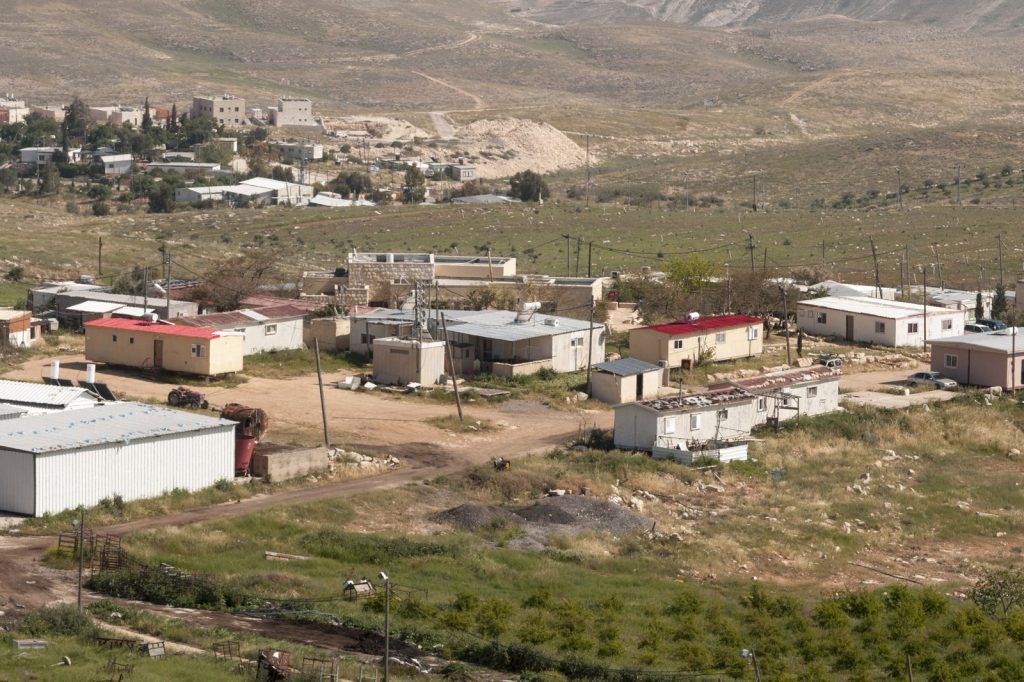
JERUSALEM — Israeli Prime Minister Benjamin Netanyahu has ordered the removal of unauthorized settler outposts in the West Bank, according to sources familiar with the matter cited in reports. The directive represents a marked shift for a leader who has historically championed settlement expansion. The West Bank, territory Israel captured during the 1967 Six-Day War, hosts numerous Israeli settlements and outposts.
Many are considered illegal under international law, a characterization Israel disputes. The removal order specifically targets outposts established without official Israeli government authorization.
A Rare Policy Reversal
Netanyahu’s decision stands out against his long record of supporting settler communities. Previous dismantling operations have often triggered confrontation. Israeli authorities have taken down outposts before, and those actions have repeatedly led to clashes between settlers and security forces.
The pattern suggests implementation of this latest order may face similar resistance on the ground.
Questions of Scope and Timing
The source material does not specify how many outposts fall under the order, nor does it outline a timeline for removal. The lack of detail leaves significant uncertainty about the operation’s scale and pace. The Israeli government had not issued an official statement as of the report.
Without formal confirmation, the practical pathway for carrying out the order remains unclear. How settler groups will respond is also unknown, though their past reactions to dismantlement efforts offer some indication of potential friction.
International Context and US Posture
The order arrives amid sustained international pressure. The United States and other nations have expressed varying degrees of concern about Israeli settlement policy, with repeated calls for a halt to settlement activity. For communities across Asia watching the Middle East, the move carries weight beyond bilateral Israeli-Palestinian dynamics.
Regional stability affects trade routes, energy prices, and the security environment that shapes daily life for millions. Any development that touches on peace efforts draws attention in capitals from Manila to Jakarta, where policymakers track how Washington responds.
The Trump administration, with Secretary of State Marco Rubio handling day-to-day diplomacy, has maintained close ties with Netanyahu’s government. How the White House frames this order could signal whether the US sees it as a genuine constraint on settlement growth or a limited gesture without broader policy change.
What Follows
The order’s implications for Israeli domestic politics could be considerable. Netanyahu’s coalition includes parties with strong settler constituencies, and any action against outposts risks internal friction. No direct reactions from Palestinian leaders or international bodies were included in the source material.
Their responses, once they emerge, will help clarify whether this order is read as a meaningful step or an isolated maneuver. What bears watching: whether the order produces visible dismantlement, how settler groups organize in response, and whether the Trump administration chooses to comment publicly on the development.




