
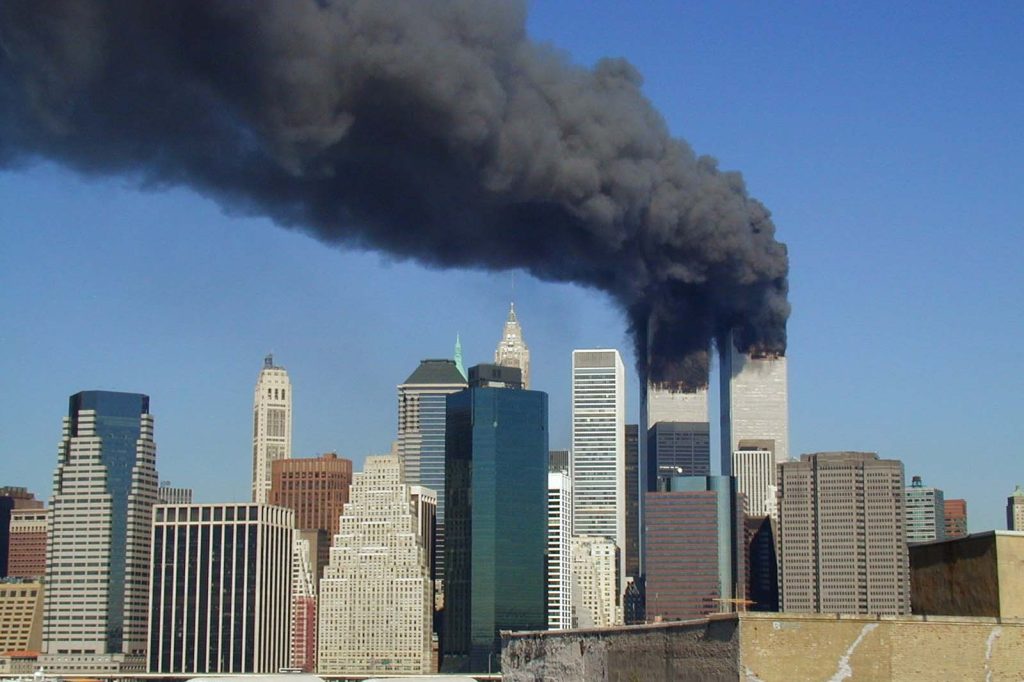
BRUSSELS, July 10 — Article 5 of the North Atlantic Treaty, the mutual-defense clause that has anchored NATO for over seven decades, has been invoked exactly once in its history. That single instance came on September 12, 2001, the day after the September 11 attacks on the United States, when the alliance declared that an armed attack against one or more allies in Europe or North America shall be considered an attack against them all. The mechanics here are worth parsing carefully.
Article 5 does not automatically require military action. Each member state retains the right to decide what assistance it provides.
This is not a blank check for war; it is a political commitment to treat an attack on one as an attack on all, with the precise response left to national discretion. Following the 2001 invocation, NATO undertook its first operational deployment outside the Euro-Atlantic area. In August 2003, the alliance took command of the International Security Assistance Force in Afghanistan.
ISAF operated until December 2014, and at its peak involved up to 130,000 troops from 50 countries. But the clause has not been invoked during the Russia-Ukraine war.
The reason is straightforward: Ukraine is not a NATO member. Article 5’s protections extend only to allies in Europe and North America. The alliance does have a lesser-known mechanism.
Article 4 allows any member to call for consultations when its territorial integrity, political independence, or security is threatened. This clause has been invoked several times. Poland triggered it in 2014 following Russian incursions.
Turkey invoked it in 2015 and again in 2020. And in 2022, after Russia’s full-scale invasion of Ukraine, eight members—Bulgaria, the Czech Republic, Estonia, Latvia, Lithuania, Poland, Romania, and Slovakia—collectively invoked Article 4.
The contrast between the two articles is instructive. Article 5 is the alliance’s declaration that an attack has occurred and that the entire alliance is now engaged. Article 4 is a consultation mechanism, a way to signal alarm without triggering automatic commitments.
What happens next depends on the trajectory of the Russia-Ukraine war and on whether any NATO member state comes under direct attack. The alliance is watching, and the clauses remain on the table.




