
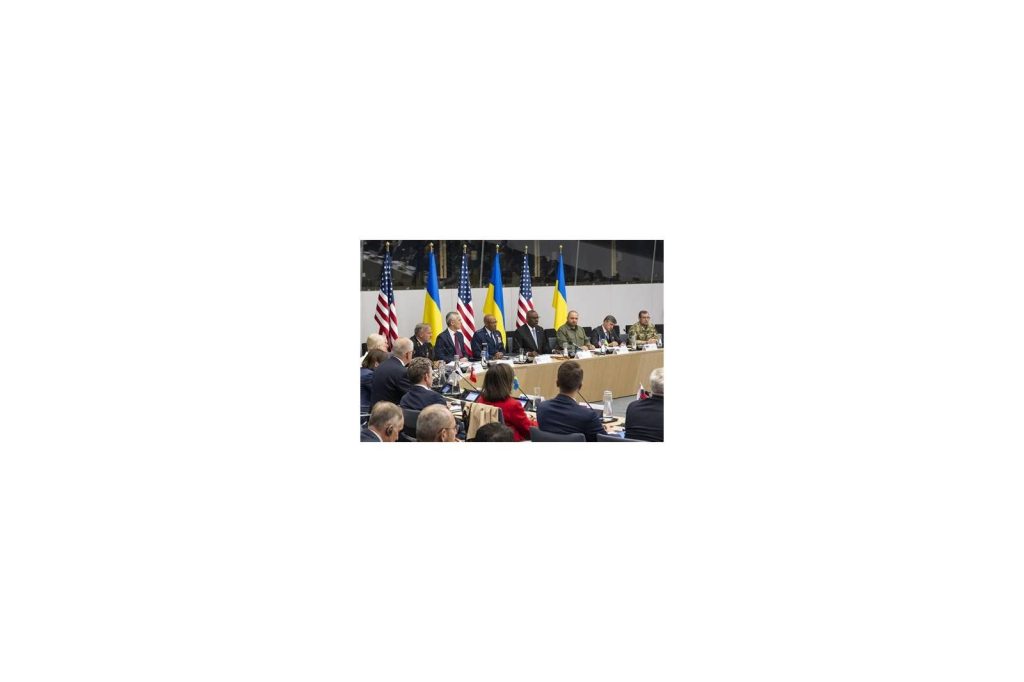
RAMSTEIN AIR BASE, Germany — Germany has committed to funding 50,000 drones for Ukraine’s military, according to officials familiar with the arrangement, a move that aligns with NATO’s broader strategy to modernize Kyiv’s forces under the alliance’s 2023 Vilnius summit commitments. The drone deal is being executed through the Ukraine Defense Contact Group, a coalition of over 50 nations that coordinates military aid to Ukraine. The UDCG, which the United States has led since its formation in 2022, meets monthly at this air base in western Germany.
The group has served as the primary mechanism for channeling weapons, training, and intelligence to Ukrainian forces without NATO’s direct intervention in the conflict. NATO, founded in 1949, has not directly intervened in the war in Ukraine.
The record shows the alliance has instead focused on reinforcing its eastern flank, deploying troops to Poland, Romania, and the Baltic states. The drone funding from Berlin represents a tangible outcome of the alliance’s 2023 Vilnius summit, where member states pledged to modernize Ukraine’s military. According to the statement from defense officials, the drones will likely be integrated into Ukraine’s existing command structure, with operators trained by NATO personnel.
This coordination, officials confirmed, is intended to ensure interoperability between Ukrainian units and NATO systems, as well as efficient use of the resources being provided. Beyond the drone deal, the UDCG has overseen the delivery of advanced weapons systems to Ukraine.
The source material confirms that NATO allies have provided HIMARS rocket launchers, Patriot air defense batteries, and F-16 fighter jets, the latter pledged in 2023. These systems are part of a broader effort that includes training, intelligence sharing, and equipment transfers. Germany’s 50,000 drone funding is one component of this coordinated pipeline.
The drones, officials confirmed, will be operated by Ukrainian personnel who have undergone NATO-standard training. This approach, according to the record, seeks to maximize battlefield effectiveness while maintaining a clear separation between NATO forces and direct combat operations. The coordination of military aid has not been without internal friction.
Political debates persist among NATO member states about the risks of escalation with Russia. The record shows these debates have shaped the pace and scope of aid deliveries throughout the conflict.
The drone funding from Germany, however, represents a continuation of the alliance’s established approach: providing advanced equipment while avoiding direct engagement. Officials confirmed that the drones will be integrated into Ukraine’s existing command structure, meaning NATO personnel will not be directly involved in targeting or operational decisions. The 50,000 drone commitment is expected to be delivered over the coming months, with training programs already underway at facilities in Germany and other allied nations.
The UDCG’s monthly meetings at Ramstein Air Base will continue to assess Ukraine’s evolving needs and coordinate the flow of equipment and training. The broader strategic picture remains unchanged: NATO has enhanced its eastern flank with troop deployments, but the alliance has not directly intervened in the conflict.
The drone deal is the latest installment in a sustained effort to modernize Ukraine’s military under the Vilnius summit framework, with all the attendant political calculations about how far that support can go without triggering a wider war.




