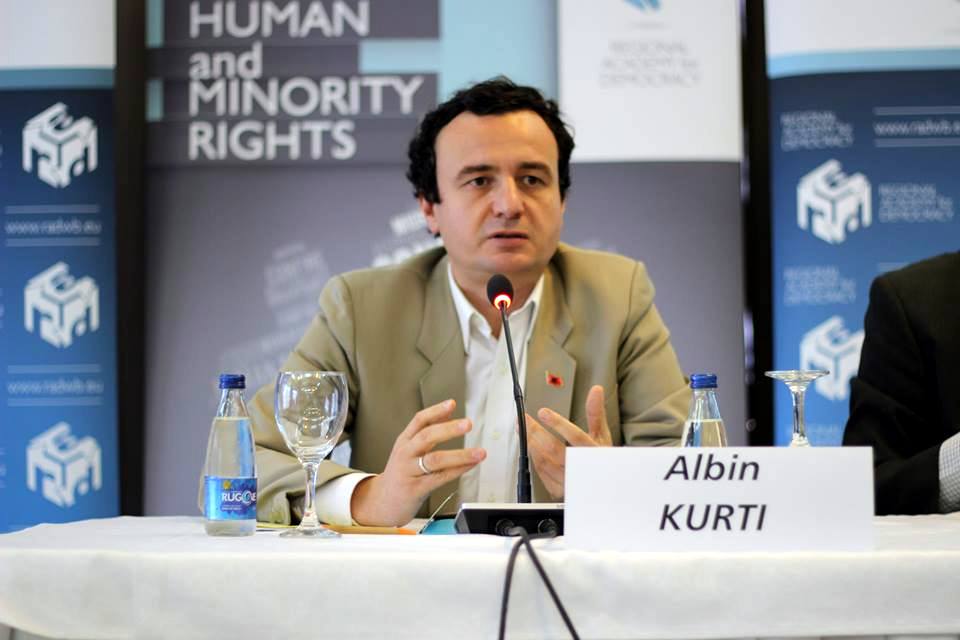
Sixty-two votes in a 120-seat chamber. That was all Albin Kurti needed on Sunday, September 13, to get his government confirmed in Kosovo’s assembly, and it was nearly all he had. Opposition lawmakers boycotted the session, accusing him of breaking postelection procedures.
The vote follows an early election in June. Kurti’s center-left Vetevendosje party won the most votes again, but with less support than last time, as voter disappointment and frustration appeared to grow.
More than 18 months of deadlock
The impasse began with the February 2025 election, when no party won enough votes to form a government. Another early election in December 2025 let Kurti form one, but the parties could not agree on a president. Choosing a head of state needs a quorum of at least 80 lawmakers, and Kurti did not have them. Two early ballots later, the standoff is still there.
Sunday’s session showed why. Lawmakers failed to elect deputy speakers of the assembly. The opposition insisted that had to happen before any vote on the new government, and they stayed away when it did not.
Constitutional Court next
Opposition parties said they will take the alleged procedural mistakes to the Constitutional Court. If the crisis drags on, Kosovo could be pushed into yet another early election.
Kosovo is among the youngest and poorest countries in Europe. The mainly ethnic Albanian nation declared independence from Serbia in 2008, after a 1998-99 war that ended when a NATO bombing campaign forced Serbia to withdraw. The United States and most EU countries recognize it. Serbia does not, nor do its allies Russia and China. Pristina and Belgrade have both been told to mend relations if they want to advance their EU membership bids.