
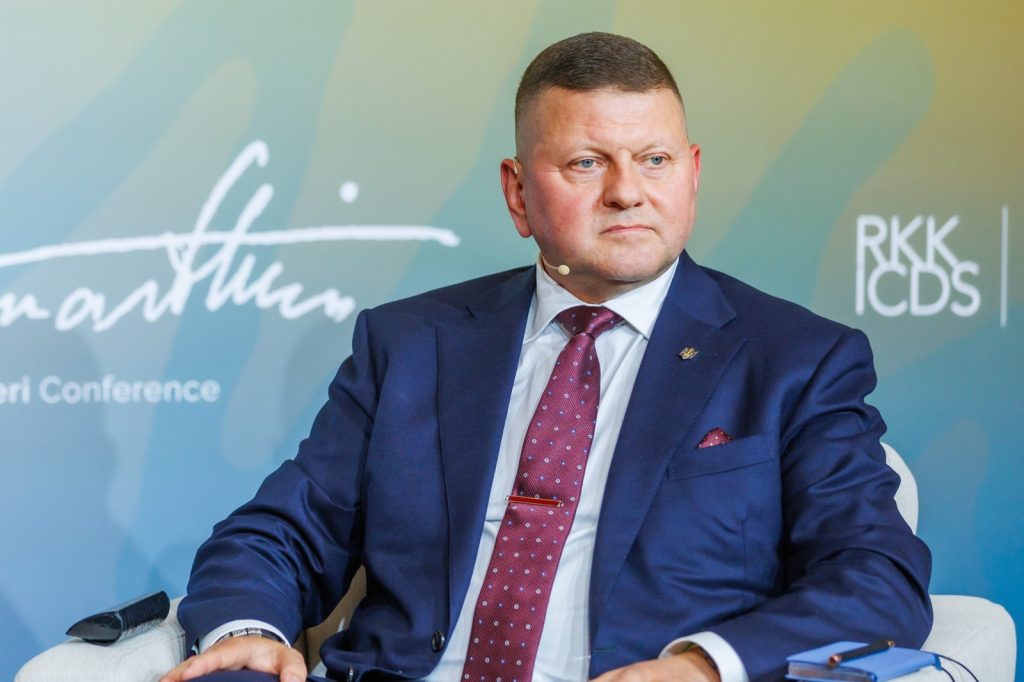
KYIV, July 15 — Ukrainian military leadership has maintained a sustained campaign against Russian naval assets in the Black Sea, with strikes on 20 vessels. The operations reflect strategic decisions by Valerii Zaluzhnyi, who has served as Commander-in-Chief of the Armed Forces of Ukraine since 2021, overseeing the country’s overall military strategy throughout the period. According to the available record, the naval component of Ukraine’s campaign has been directed by Vice Admiral Oleksiy Neizhpapa, the Ukrainian Navy Commander.
Neizhpapa has been responsible for the tactical employment of drones and missiles against Russian warships. The strikes on 20 vessels represent a significant attrition of Russia’s Black Sea Fleet capabilities, though neither side has released a complete inventory of damaged or destroyed ships.
Leadership Structure and Command Decisions
On the political side, President Volodymyr Zelenskyy has consistently advocated for international support to counter the Russian blockade of Ukrainian ports. The blockade has been a central feature of the conflict, restricting Ukraine’s maritime trade and grain exports. Ukrainian Defense Minister Rustem Umerov, who was appointed on September 6, 2023, has coordinated the flow of military aid from Western partners, including naval systems such as unmanned surface vessels and anti-ship missiles.
The Ukrainian chain of command has functioned with Zaluzhnyi at the strategic apex, Neizhpapa directing naval operations, and Umerov managing the logistics of foreign military assistance. Officials have confirmed that the coordination between these figures has been essential to the maritime campaign’s effectiveness.
Russian Naval Command Changes
On the Russian side, the command structure has undergone significant changes during the same period. Admiral Nikolai Yevmenov served as Commander-in-Chief of the Russian Navy until March 2024, when he was replaced by Admiral Alexander Moiseyev. The leadership transition occurred amid mounting losses in the Black Sea, though Russian officials have not publicly attributed the change to battlefield performance.
The record shows that the strikes on 20 vessels reflect the ongoing leadership and tactical decisions by individuals on both sides. The Ukrainian campaign has relied on asymmetric tactics, including drone boats and missile strikes, to challenge Russian naval superiority in the Black Sea without a traditional surface fleet.
Strategic Implications and Ongoing Operations
The sustained attrition of Russian naval assets has altered the balance of power in the Black Sea, though the blockade remains partially in effect. Ukrainian forces have demonstrated an ability to strike targets at significant distances from shore, challenging the Russian Navy’s ability to operate freely in the western Black Sea. The campaign has also drawn attention to the role of Western-supplied weaponry, though specific systems have not been detailed in the available records.
The strikes on 20 vessels represent a cumulative effort rather than a single decisive engagement, suggesting a methodical approach to degrading Russian naval power. Looking ahead, the question of further naval operations will depend on continued Western support, Ukrainian domestic production of drones and missiles, and Russian adaptations to the threat.
The leadership of Zaluzhnyi, Neizhpapa, and Umerov will remain central to Ukraine’s ability to sustain the campaign, while Admiral Moiseyev faces the challenge of protecting Russian naval assets against an adversary that has repeatedly demonstrated an ability to strike them.




