
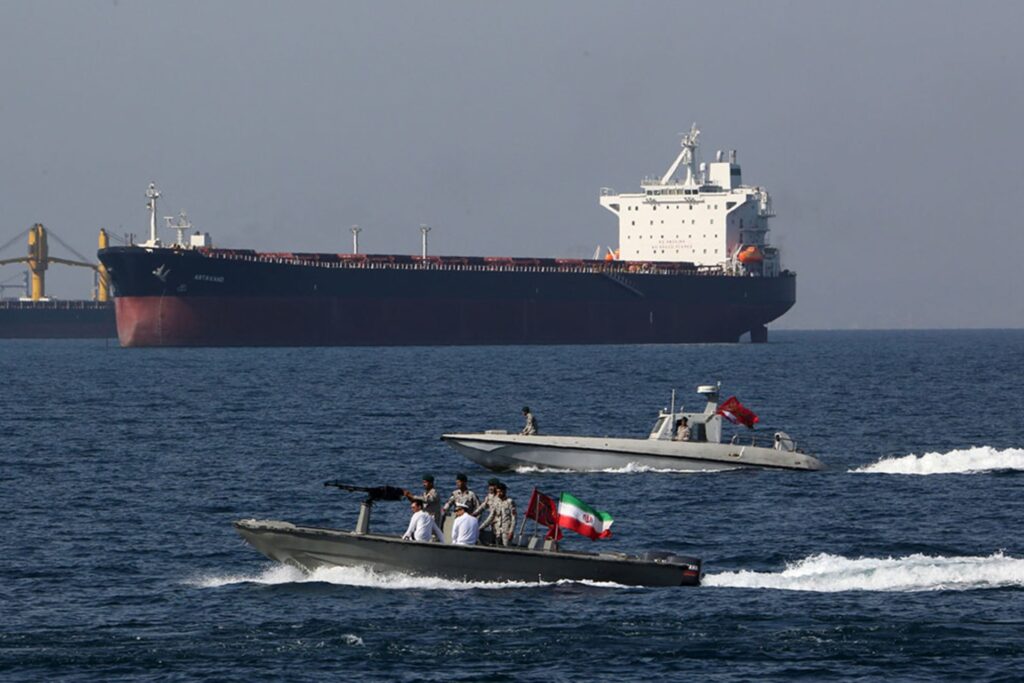
WASHINGTON, July 7 — Iran’s pattern of maritime attacks in the Persian Gulf and Strait of Hormuz extends back more than four decades, a review of military records shows. The Iran-Iraq War, which ran from 1980 to 1988, saw Tehran attack oil tankers and commercial ships in what became known as the Tanker War. During that conflict, Iran specifically targeted vessels flagged to Kuwait and Saudi Arabia, according to historical filings.
That operational playbook did not end with the war. In 2019, following the U.S. withdrawal from the Joint Comprehensive Plan of Action in 2018, Iran seized or attacked multiple tankers.
The British-flagged Stena Impero was taken in July 2019, a boarding that drew a sharp international response. The U.S. and allied navies established the International Maritime Security Construct in 2019 to patrol the region. By 2023, the U.S. and its partners had expanded those patrols under Operation Sentinel.
Sources familiar with the timeline note that Iran’s actions are often framed by Tehran as retaliation for U.S. sanctions, which were reimposed in 2018. The Islamic Revolutionary Guard Corps Navy, established in 1979, is the primary arm for these operations.
The IRGC Navy operates fast-attack craft, mines, and anti-ship missiles, giving it a layered capability to threaten commercial shipping through the Strait of Hormuz, a chokepoint for global oil supplies. The record shows a consistent pattern: Iran escalates maritime pressure when it faces economic or diplomatic isolation. The 2019 seizures came after the collapse of the nuclear deal.
The Tanker War of the 1980s unfolded during a grinding conventional conflict with Iraq. What to watch next is whether the current U.S. administration will respond to any new incidents with a similar or expanded naval posture. The IMSC and Operation Sentinel remain active, but the strategic question is whether allied patrols are sufficient to deter IRGC Navy fast-attack craft and mines in a crisis.




