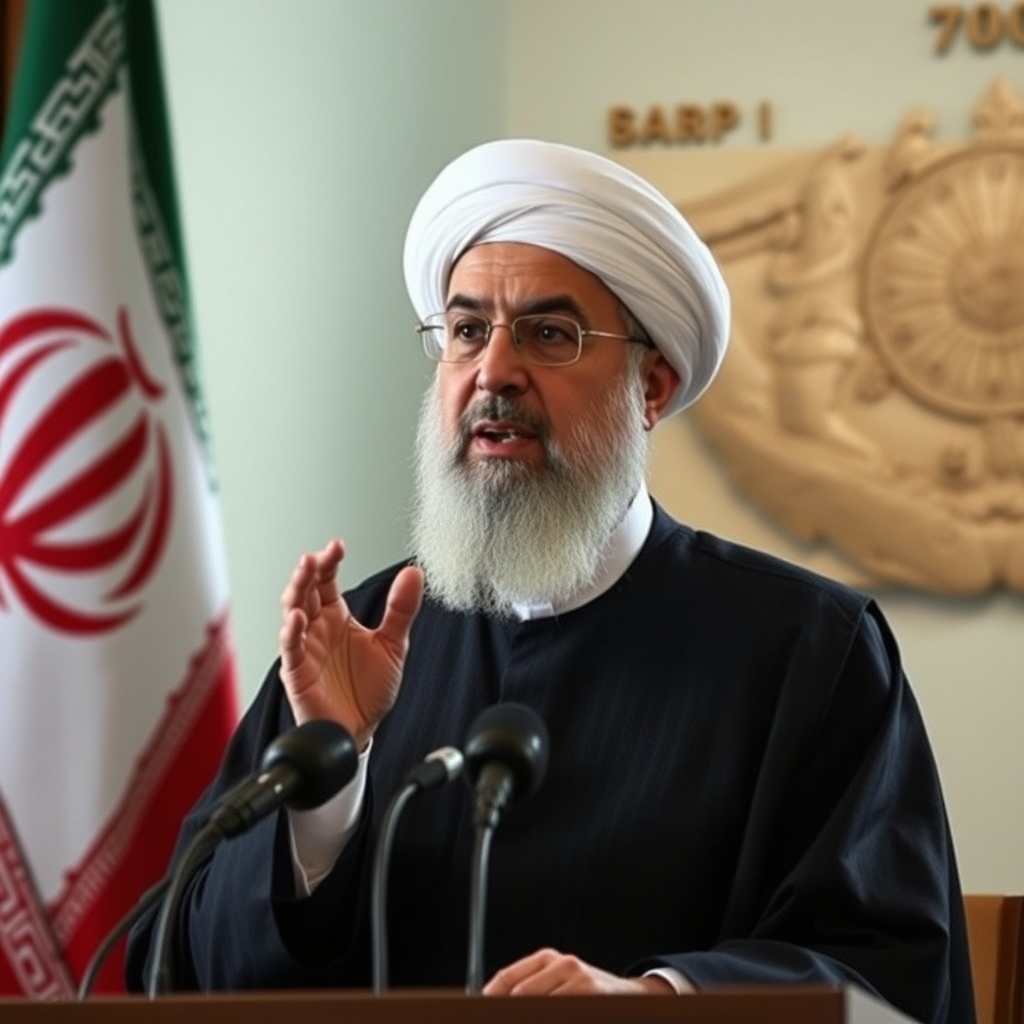
“Despite the expert understandings reached between the parties, the excessiveness and lack of political will of senior U.S. officials have prevented the agreement from being finalized.” That was Iranian President Masoud Pezeshkian’s verdict on the Islamabad talks, delivered in a telephone call to French President Emmanuel Macron and reported by PressTV on Monday, 13 April, and carried by IRNA the following day.
The talks, held under Pakistani mediation, were direct and long. They ran for 21 hours and ended on 12 April without a final agreement, the main disputes being over nuclear rights and over Hormuz. Pezeshkian told Macron that “lack of goodwill” and “maximalist positions” from Washington stood in the way of a deal.
Tehran’s message to France
The choice of audience is the point. Pezeshkian was speaking to a European leader, and he said as much: Europe, he suggested, could press Washington to honour international law. Threats, pressure and military action, he warned, would only make the United States’ “self-made problems” in the region worse. Diplomacy, he said, remained “the preferred path to resolving disputes,” so long as Iran’s national dignity and sovereignty were protected.
He claimed progress at the technical level, with expert understandings in place, and put the failure down to the political layer above them. He added that outside powers needed to act together to halt what he described as attacks by the U.S. and Israel in Lebanon and elsewhere in the region. Macron, for his part, urged Pezeshkian to use the two-week ceasefire to reach a precise and binding agreement, stressed the need for freedom of navigation in Hormuz, and said Lebanon had to be part of the ceasefire framework.
Washington’s side of the ledger
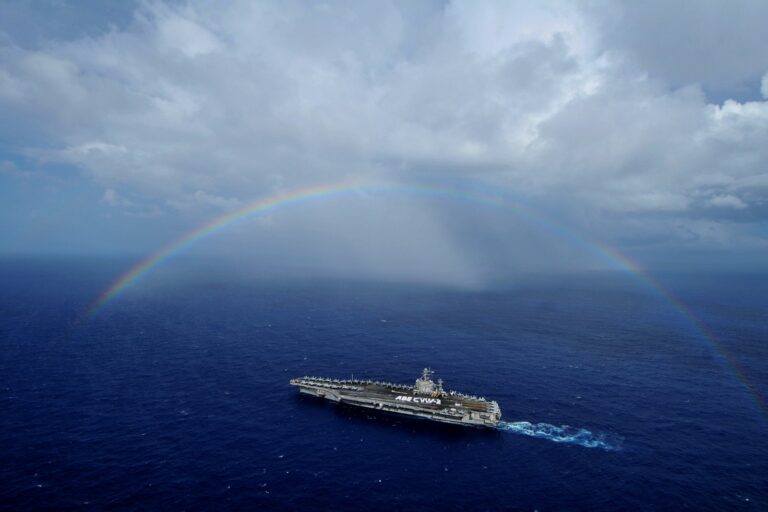
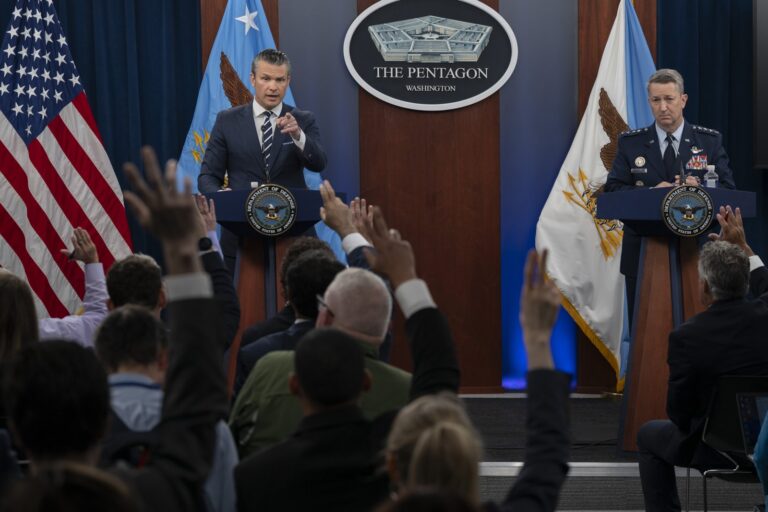
The American account is different. Vice President J.D. Vance called the Islamabad outcome a “setback for Tehran” and said the United States was holding to its red lines on nuclear ambitions. Trump, for his part, warned that Iranian boats coming near the U.S. naval blockade “would be destroyed,” while also claiming the other side “wants to work a deal.” The blockade of Iranian ports, which began on Monday, 13 April, hung over the call.
The gap between the two positions is stated plainly in one report: the United States wants an unconditional halt to uranium enrichment and free passage through the strait, while Iran wants $27 billion in assets unfrozen and war reparations. The ceasefire expires on April 22, and Pakistan was expected to put forward a second round of talks before that date.
Sources
- Iran says a 'lack of goodwill' from the US blocked deal
- Pezeshkian blames excessive US demands for Islamabad stalemate
- Tehran says US 'lack of political will' doomed peace talks