
Iranian Americans in San Francisco Caution Against a Hasty End to the Iran Conflict
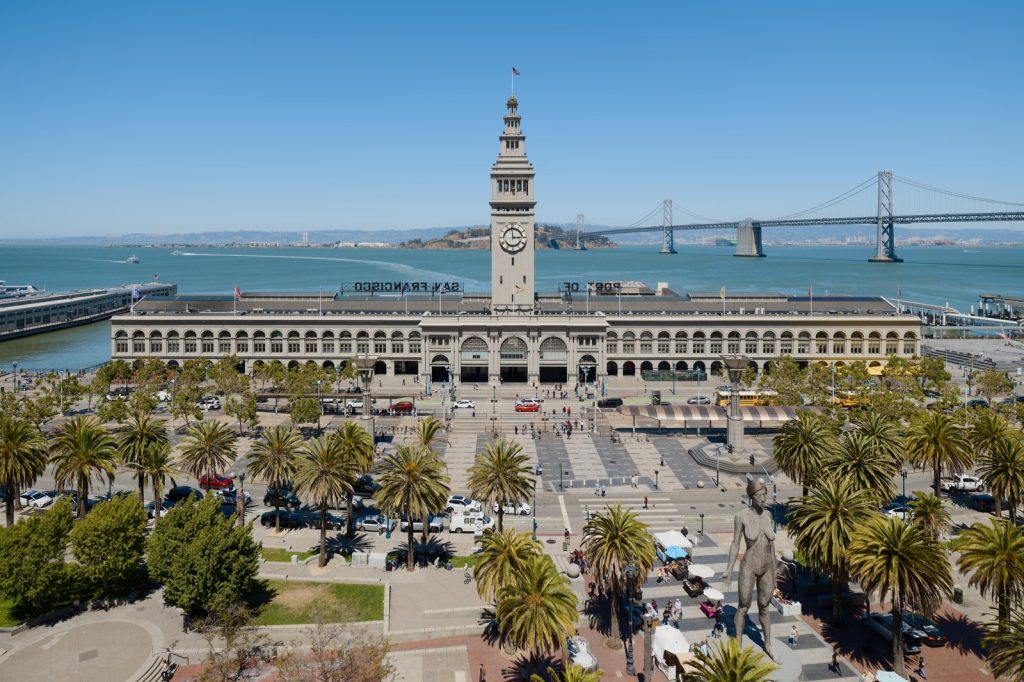
On May 24, a group of Iranian‑American demonstrators assembled at the plaza outside San Francisco’s Ferry Building. Their message was not a call for peace at any cost; they warned that ending the fighting too soon could cement the current Islamic Republic’s hold on power. The protesters emphasized that they are not advocating more violence.
Instead, they argue that a premature withdrawal would leave the regime intact, snuffing out any prospect of internal change in Iran. They described the gathering as modest—confined to the Ferry Building plaza, with no physical altercations and no arrests—but stressed that the implications are enormous for them and for relatives still living in Iran.
According to a 2004 MIT study, about 691,000 people of Iranian ancestry reside in the United States, and more than 40 percent of that population has made its home in Southern California. Many arrived after the 1979 revolution, while others came later for education, employment, or personal freedom. Despite varied migration paths, a common belief unites a significant portion of the diaspora: the present Iranian government is not one they wish to see survive.
Their apprehension ties directly to the long‑standing hostility between Washington and Tehran. Decades of friction—including the 1979 hostage crisis, arms negotiations, nuclear dialogues, sanctions regimes, drone strikes, and proxy engagements in Yemen, Syria, and Iraq—have deepened the mistrust.
Each lull in hostilities raises the same question for the diaspora: what will become of ordinary Iranians when the fighting stops? For many protesters, the answer is personal. They maintain family ties in cities such as Tehran, Isfahan, and Shiraz and follow developments from afar, hoping for signs that the regime’s grip is weakening. A swift ceasefire, they contend, would send the opposite signal, suggesting to the country’s leaders that they can outlast any external pressure.
The Iranian‑American community has not always spoken with one voice. Early migrants in the 1950s arrived on government scholarships and were generally sympathetic to the shah’s monarchy.
After 1979, a new wave brought testimonies of imprisonment, torture, and daring escapes, creating a split between those favoring engagement with Tehran and those pushing for regime change. Over time, however, a consensus has emerged that views the Islamic Republic less as a partner and more as a problem to be resolved. This shared perspective was evident at the Ferry Building.
Demonstrators said they were not marching for war itself but for a conclusion that actually removes the current leadership. They believe that a rapid exit would leave the regime standing, whereas a carefully negotiated end could finally dismantle its authority.
The report notes that the U.S. Secretary of State—whose identity and stance are not specified—has not commented on the protest. The State Department typically refrains from issuing direct remarks on diaspora demonstrations. Meanwhile, the administration in Washington faces competing pressures: anti‑war activists urging an immediate pull‑out, and Iranian Americans urging a delayed exit contingent on conditions that would erode the regime’s control.
Neither camp is likely to obtain its ideal outcome, given that conflicts rarely conclude on neat timetables. The Iran dispute, whatever its present form, is expected to persist until a decisive intervention forces a resolution.
Those who gathered in San Francisco made their position clear: do not rush the process. They stood under the California sun, holding signs and conversing in both Farsi and English, with some having driven considerable distances to attend. They described themselves as ordinary citizens, lacking fame or official influence, yet convinced that the future of their homeland hinges on how this war ends.
They pledged to remain engaged.




