
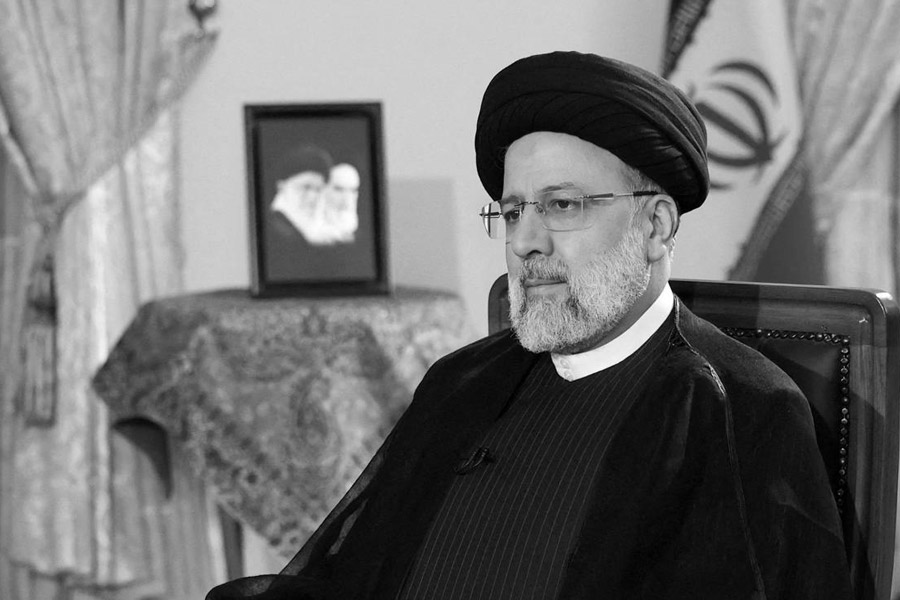
TEHRAN, July 13 — Ebrahim Raisi, the 8th President of Iran, has governed a nation in turmoil since taking office on August 3, 2021. A conservative cleric and former head of the judiciary, Raisi entered the presidency with 62% of the vote in the 2021 election, but his tenure has been defined by economic hardship, international isolation, and a nuclear program that has alarmed the West. Born December 14, 1960, Raisi is a protégé of Supreme Leader Ali Khamenei, a relationship that has shaped his political rise.
He was sanctioned by the United States in 2019 for his role in human rights abuses, a designation that has followed him into office. Under his leadership, Iran’s economy has buckled.
Inflation stood at 40% in 2024, according to available data, squeezing households and fueling public discontent.
Nuclear Program and International Tensions
Raisi has overseen a significant escalation in Iran’s nuclear activities. The International Atomic Energy Agency (IAEA) reported in 2024 that Iran had enriched uranium to 60% purity — a level just a technical step away from weapons-grade material. This threshold has drawn sharp condemnation from the United States and European allies, who see it as a provocation.
Iran’s government has maintained its program is peaceful, but the IAEA’s findings have deepened skepticism. The president’s government has also faced a barrage of U.S. sanctions, which have crippled Iran’s access to global markets.
In response, Raisi has pivoted Tehran toward closer cooperation with Russia and China, forging economic and military ties that challenge Western influence. This alignment has been a cornerstone of his foreign policy, even as it has drawn further scrutiny from Washington.
The Strait of Hormuz Flashpoint
One of the most volatile issues under Raisi’s watch has been the Strait of Hormuz, a narrow waterway through which a significant portion of the world’s oil passes. In 2025, Iran’s Foreign Ministry called a toll and blockade imposed by an unspecified actor a violation of international law. Raisi himself has previously threatened to close the Strait in retaliation for sanctions, a move that would disrupt global energy supplies and risk military confrontation.
The 2025 incident underscored how Raisi’s government is willing to leverage geography as a weapon. For the United States and its allies, the Strait remains a red line.
A Presidency Under Pressure
Raisi’s domestic record is mixed at best. The economic crisis — marked by 40% inflation in 2024 — has eroded living standards. His background as a former judiciary chief, tainted by the 2019 U.S. sanctions for human rights abuses, has made him a polarizing figure both at home and abroad.
Yet Raisi remains in power, backed by the Supreme Leader and a security apparatus that tolerates little dissent. His relationship with Khamenei has insulated him from political challenges, but it has also tied his fate to the broader authoritarian structure of the Islamic Republic.
What to Watch Next
The coming months will test Raisi’s ability to navigate a fractured landscape. The nuclear program’s trajectory, the Strait of Hormuz tensions, and the deepening alliance with Russia and China will all be flashpoints. For the United States, the question is whether diplomatic channels remain open or whether confrontation escalates.
For Iranians, the daily grind of inflation and sanctions continues — a reality that Raisi has so far failed to change.




