
BAGHDAD, January 3 — The killing of Qasem Soleimani, the commander of Iran’s Quds Force, in a U.S. drone strike in January 2020, continues to reverberate through international security and American politics. Soleimani was the head of the extraterritorial operations unit of the Islamic Revolutionary Guard Corps, or IRGC, and his death near Baghdad International Airport on January 3, 2020, was ordered by then-President Donald Trump. The strike also killed Abu Mahdi al-Muhandis, a senior Iraqi militia leader.
The Trump administration justified the strike by citing Soleimani’s role in planning attacks on U.S. personnel. The decision to take out a senior foreign military commander on foreign soil was a dramatic escalation in the shadow war between the United States and Iran.
The retaliation and its aftermath
Iran responded swiftly. On January 8, 2020, just five days after the strike, Iran launched ballistic missiles at two U.S. bases in Iraq. The attack injured more than 100 U.S. troops, primarily with traumatic brain injuries.
It was a direct military retaliation against American forces. The practical upshot was that both sides stepped back from the brink, but the damage was done — both physically to the troops and strategically to the longstanding U.S.-Iran standoff.
Soleimani’s death did not end the threat from Iran’s Quds Force. Instead, it intensified it. Iran vowed revenge, and that promise has hung over U.S. officials ever since.
In the years following the strike, threats against former President Trump and other American leaders have increased, according to U.S. intelligence assessments.
Who was Qasem Soleimani?
To understand why this killing remains a flashpoint, you need to understand Soleimani’s role. He was not just another general. As commander of the Quds Force, he was the architect of Iran’s network of proxy militias across Iraq, Syria, Lebanon, and Yemen.
He was a national hero in Iran, celebrated for his role in defeating ISIS, but also a figure of immense controversy. In plain terms, he was the face of Iran’s military reach beyond its borders.
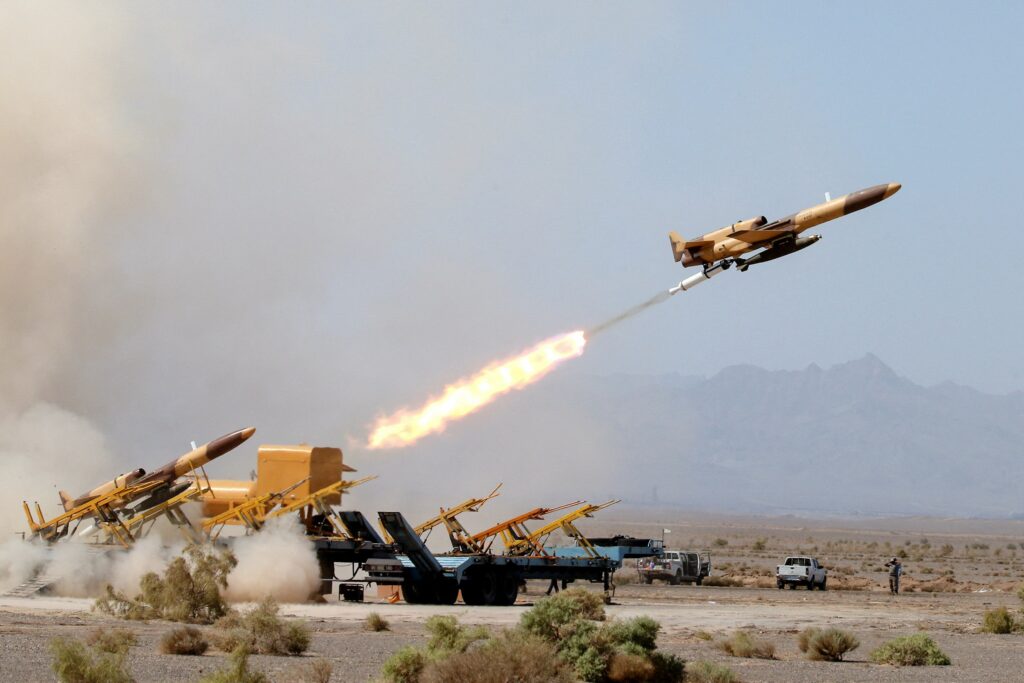
His death in a drone strike — a weapon system that has become increasingly central to modern warfare — was a stark demonstration of American technological and intelligence capability. The strike itself was a precise, targeted operation, but its consequences were anything but precise. It destabilized Iraqi politics, inflamed anti-American sentiment in the region, and hardened Iran’s resolve to retaliate.
The continuing security threat
The assassination claims that have surfaced in recent months — including threats against U.S. officials — are directly traceable to this event. Iran’s leadership has publicly stated that revenge for Soleimani’s death is a matter of national honor. U.S. intelligence agencies have repeatedly warned that Iranian operatives remain active and motivated to target American figures, including former officials involved in the strike decision.
The practical upshot for ordinary Americans is less about immediate danger and more about the long-term cost of such operations. Drone strikes, while precise, do not occur in a vacuum.
They create cycles of retaliation that can last years. For the troops who were injured in the Iranian missile response, the cost was immediate and physical. For the broader security apparatus, the cost is ongoing vigilance.
What to watch next
As of January 2020, the threat environment remains elevated. The U.S. administration continues to monitor Iranian activity closely, and the issue of Soleimani’s killing remains a live wire in U.S.-Iran relations. Any new incident — a cyberattack, a proxy strike, or an assassination attempt — could reignite the conflict.
The key question is whether Iran’s vow of revenge will ever be fully satisfied, or whether this is a wound that remains open indefinitely.




