
ISLAMABAD, July 12 — The indefinite closure of the Strait of Hormuz, announced by Iran on April 13, 2025, marks the most significant disruption to the strategic waterway since the Tanker War phase of the Iran-Iraq War, which ran from 1984 to 1988. For patients and families following global developments, the situation invites careful attention but not alarm — early findings suggest the current closure is unprecedented in its duration, yet the historical record offers some perspective.
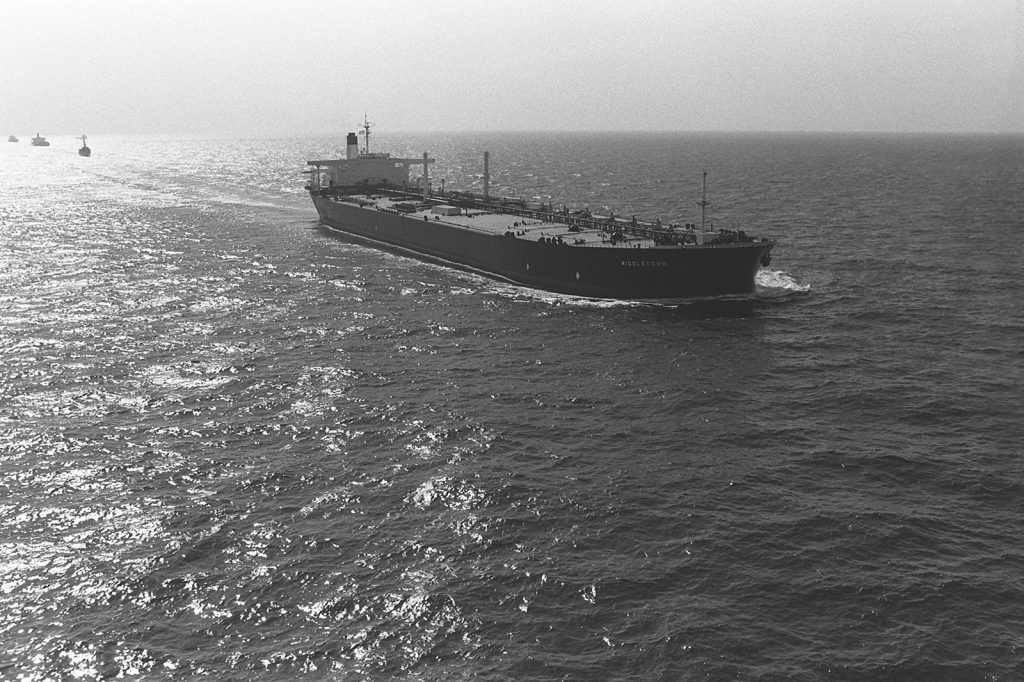
During the Iran-Iraq War, both Tehran and Baghdad attacked oil tankers and commercial shipping in the Persian Gulf and the strait. The United States responded in 1987 with Operation Earnest Will, escorting Kuwaiti oil tankers that had been reflagged under the U.S. flag to protect them from Iranian attacks.
The following year, in April 1988, the U.S. conducted Operation Praying Mantis, destroying Iranian oil platforms and naval vessels. Those operations helped restore freedom of navigation after years of conflict.
Decades of Threats, Now a First Indefinite Closure
Since the 1980s, Iran has repeatedly threatened to close the Strait of Hormuz in response to sanctions or military pressure. In 2012, Tehran threatened closure after the European Union and the United States imposed sanctions on Iranian oil exports. In 2019, a series of attacks on oil tankers near the strait — including the June 2019 attacks on the Kokuka Courageous and Front Altair — and the downing of a U.S. drone by Iran escalated tensions but did not result in a full closure.
The current closure, announced on April 13, 2025, is the first indefinite closure since the 1980s. Patients should understand that this is a geopolitical development with potential economic ripple effects, but the encouraging part is that international mechanisms for maintaining maritime security remain in place.
What to Watch Next
The U.S. administration has not yet announced a formal response comparable to the 1987 escort operations. Analysts are watching for any new naval deployments or diplomatic initiatives that may emerge. For those concerned about how this might affect global energy markets or supply chains, talk to your doctor if you have specific health-related questions about medication availability or treatment access — but remember that historical precedent shows such disruptions, while serious, have been managed before.
The encouraging part is that no major escalation beyond the closure itself has been reported in the weeks since the announcement. As with any complex international situation, patients should stay informed through reliable sources and consult your doctor for personal health guidance.
The key is to balance awareness with caution — and never to let alarm override the evidence.




