
Manila, August 28 — Six months after the United States and Israel began their coordinated campaign against Iran on February 28, the country remains intact but under mounting strain. The conflict’s roots trace to October 7, 2023, when Israel’s war in Gaza weakened Iran’s regional allies and pushed Tehran and Washington toward open confrontation, culminating in June 2025 and the current campaign.
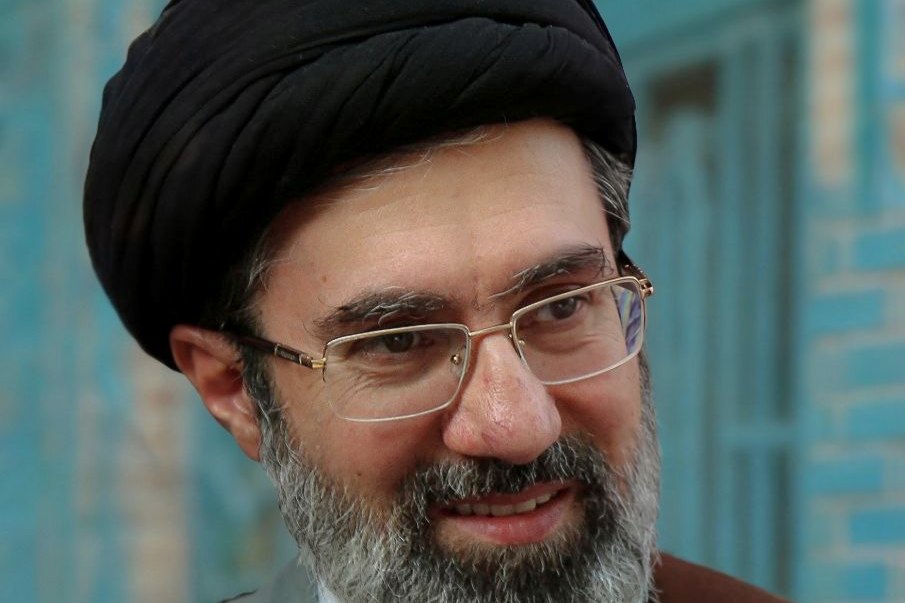
The war’s opening strike killed Supreme Leader Ali Khamenei and key military figures, including an IRGC commander and a chief of staff. Tehran appointed Mojtaba Khamenei, the late leader’s son, as successor just over a week later. His absence from public view has left a void in leadership, with his portrait carried in ceremonies while decrees continue to be issued in his name.
Iran’s military command has been rebuilt hastily since the strikes. On August 10, new leadership was formalized under Mojtaba’s name, appointing Ahmad Vahidi as IRGC chief and Ali Abdollahi as chief of staff.
These moves signal continuity but also reveal fragility — a state still piecing together its command structure six months into a war cannot claim strength. Economic pressure has become the campaign’s sharpest tool. On August 24, the U.S. Treasury launched an expanded campaign aimed at severing Iran’s remaining financial links with the outside world.
Exports have fallen dramatically, and inflation has soared, with food prices more than doubling. The economic siege exploits Iran’s long-standing vulnerabilities.
Sanctions dating to the 1980s and UN resolutions since 2006 have eroded resilience, and efforts like a 25-year partnership with China and a strategic treaty signed with Russia in early 2025 failed to deliver stability. Tehran’s leadership once acknowledged governance failures alongside sanctions, but the current crisis now stems from structural weaknesses laid bare by the war. The Strait of Hormuz remains closed since Iran’s February 28 retaliation, merging naval blockade with trade chokehold.
This has reignited the divide between narratives of economic mismanagement and external blame. As Washington intensifies sanctions, Iran’s ability to endure this siege will determine whether survival becomes a hollow victory or a catalyst for deeper upheaval.
What comes next hinges on how long the economy can withstand this pressure without fracture.




