
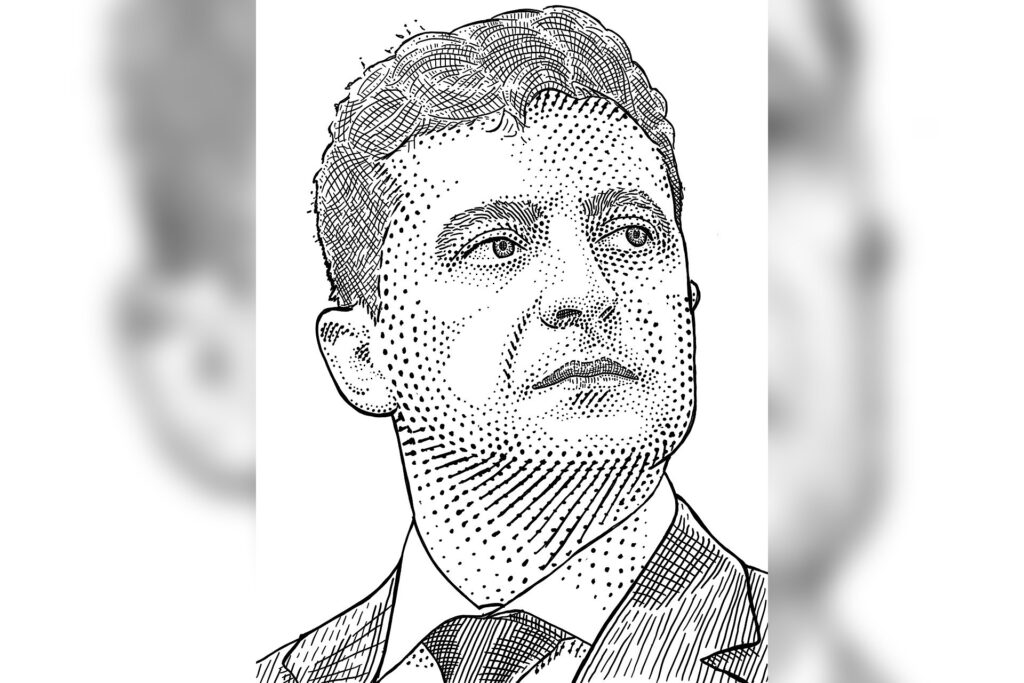
WASHINGTON, July 21 — The shift in Ukraine’s top command caught Western allies off guard, but the public reaction was a study in calibrated support. When Ukrainian President Volodymyr Zelensky dismissed General Valerii Zaluzhnyi in early February 2024, the United States and its partners moved quickly to affirm the move as Ukraine’s sovereign right — while quietly eyeing the battlefield implications.
U.S. National Security Advisor Jake Sullivan stated on February 8, 2024, that the change in command was an internal Ukrainian matter and that Washington would continue to support Ukraine’s defense. That same day, Pentagon spokesman Pat Ryder emphasized the importance of maintaining strong civilian control of the military — a pointed nod to the principle, even as the war with Russia grinds on.
Europe falls in line
European Union foreign policy chief Josep Borrell noted that the decision was sovereign but added a hope that it would not affect unity. British Defense Secretary Grant Shapps, in a call with Zelensky, expressed continued confidence in Ukraine’s leadership. The message from London and Brussels was consistent: they back Zelensky’s prerogative to choose his military commanders.
But the diplomatic chorus masked deeper unease.
Behind the public statements
Some Western analysts expressed concern about the timing, given the precarious
The dismissal of a wartime military commander is a rare and high-stakes decision, particularly in a conflict as prolonged and intense as Ukraine’s defense against Russia’s full-scale invasion. Military leadership changes during active combat can affect operational continuity, troop morale, and strategic planning, making such moves closely watched by both allies and adversaries.
In modern conflicts, the relationship between civilian leadership and military command is critical, as it ensures democratic oversight while maintaining the effectiveness of armed forces under extreme pressure. Ukraine’s reliance on Western military aid and coordination has made its command structure a subject of international interest.
The country’s ability to sustain its resistance depends not only on domestic decision-making but also on the confidence of its partners, who provide weapons, intelligence, and training. Any perception of instability or division within Ukraine’s leadership could influence the flow of support, as allies weigh the risks and benefits of their continued involvement. Historically, shifts in military leadership during wartime have had mixed outcomes, sometimes reinvigorating stale strategies but at other times introducing uncertainty at a critical moment.
The balance between maintaining stability and adapting to new challenges is delicate, especially when facing an adversary with significant resources and resolve. For Ukraine, the decision underscores the complexities of governing and commanding in a war where both the battlefield and political landscapes are constantly evolving.




