
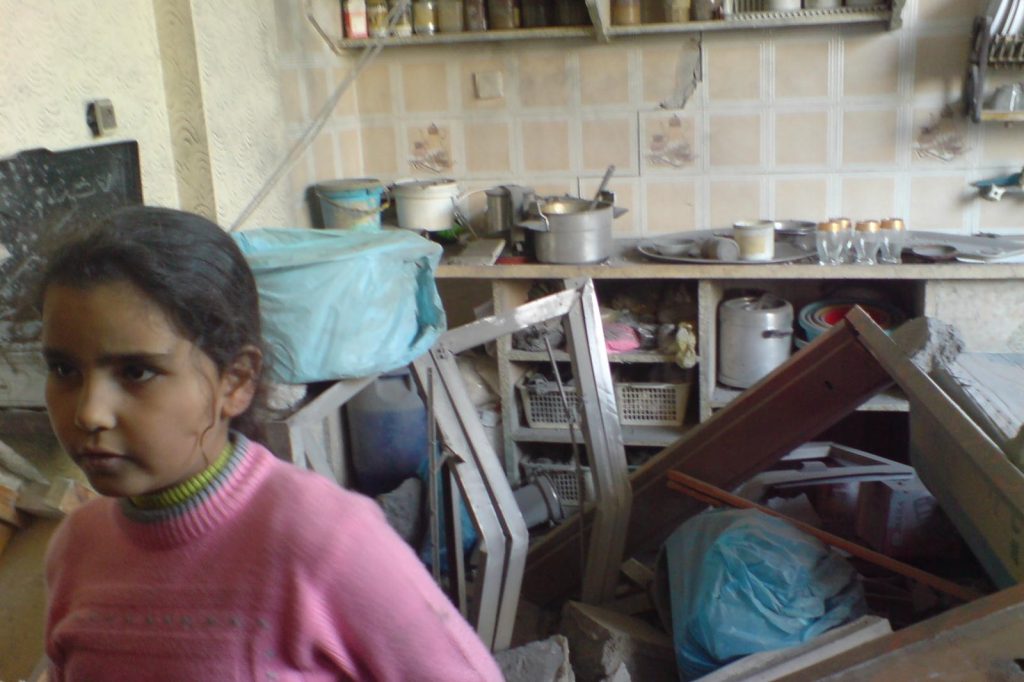
Hypothermia, not trauma, killed three Gaza children
The bodies of three children recovered from a collapsed house in the Gaza Strip this week showed no signs of blunt‑force injury. Medical examination revealed that their core body temperatures had fallen below 35.0 °C, the point at which the heart can cease to function. They died of hypothermia.
Storm toll and housing context
The same storm that claimed the children’s lives resulted in a total of 14 fatalities across the strip. The causes of the remaining 11 deaths have not been made public, but the children’s fate provides a clear illustration of what occurs when shelter disappears.
Pre‑existing damage turned weather into a killer
Investigators noted that 13 of the homes that collapsed during the storm had already suffered damage from earlier Israeli military action. Those pre‑existing weaknesses meant the buildings were compromised before the bad weather arrived.
A roof with a hole is a nuisance in dry conditions; in a severe storm it becomes a death trap for a small child.
How hypothermia progresses
When a person is wet and exposed to cold air, shivering is the first response. This is followed by mental confusion, then hallucinations, and finally the heart may stop.
The three children experienced each of these stages because they had no dry room to retreat to.
The broader picture of housing vulnerability
The storm did not create new destruction from scratch; it finished what had already been started. Thirteen houses are now piles of rubble that were already weakened.
Gaza’s housing stock has been eroded by years of conflict; the structures that remain are often patched, fragile, and vulnerable. A severe storm is not an anomalous event; it is a predictable seasonal hazard. When the infrastructure meant to withstand it has been systematically degraded, the weather itself acts as a weapon through neglect.
Immediate relief and longer‑term considerations
Emergency response is currently focused on providing blankets, tarps, fuel and temporary shelter such as tents. The assessment also calls for urgent support to secure safe, secure housing. In addition, the document points out that renewable energy options—solar and wind power—could lower electricity costs and strengthen energy security, noting that the local grid is unreliable, expensive or often absent.
Without electricity, heating remains difficult, and the threat of hypothermia persists even after the storm passes.
A choice for the international community
Donors can either send emergency aid—blankets, tarps, fuel—and declare the crisis managed, or they can confront the underlying damage that made the storm deadly. The homes fell because they had not been repaired after being damaged by military action.
That is a fact presented in the source material, not speculation. The children died because their dwellings were left unrepaired; the storm was merely the trigger, while the existing vulnerability was the true cause.
Grief and shared root
Fourteen families are now mourning. Three of those families buried children who froze to death. The other 11 losses may have stemmed from structural collapse, flooding, or exposure, but they share a common origin: the Strip’s housing is not resilient, and conflict has left it brittle.
The storm exposed that fragility in the most direct way possible.
No tidy resolution, only a call to rebuild
The assessment concludes with a plea to consider long‑term needs. This means reconstructing dwellings capable of surviving both warfare and weather.
It means establishing an electrical grid that does not fail when temperatures drop. It means treating a severe storm as a foreseeable event rather than a surprise. The three children who perished this week were not killed by a freak act of nature; they died because conflict and cold combined.
Unless the pre‑existing damage is addressed, that combination will happen again.




