
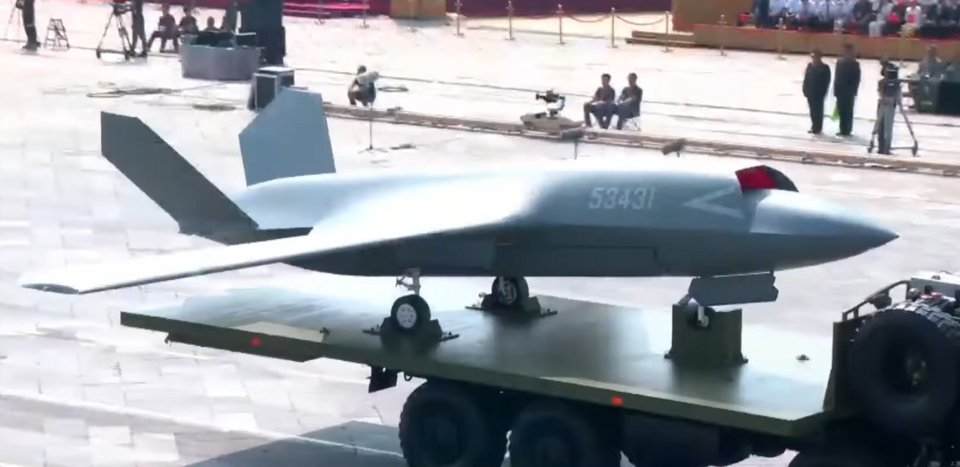
KYIV, July 12 — Against this backdrop of grinding attrition on the eastern front, the war in Ukraine has been fundamentally reshaped by a weapon system that barely existed a generation ago: the unmanned combat aerial vehicle. Strike drones, or UCAVs, have become a critical component of the conflict for both sides. They are used for reconnaissance, for directing artillery fire, and for direct attacks on troops and armour.
The sheer density of ground-based air defences has made traditional manned aircraft increasingly vulnerable, and drone warfare has reduced the role of conventional air power.
The arsenals on both sides
Ukraine operates the Turkish Bayraktar TB2, a drone that gained widespread fame in 2022 for its role in destroying Russian supply convoys. Alongside this, Kyiv relies on domestically produced systems including the Shark and the Punisher. Russia, for its part, fields the Iranian Shahed-136 loitering munition and the Lancet drone, both of which have been used extensively against Ukrainian infrastructure and frontline positions.
What is at stake here is not merely a tactical advantage but the very economics of modern warfare. These drones are relatively cheap — some models cost under $20,000 — which allows for mass deployment in a way that crewed aircraft cannot match.
Russia is producing thousands of drones every month, giving it a quantitative edge that Ukraine has struggled to counter.
A German answer
It is against this backdrop that a German-funded package of 50,000 drones enters the wider picture. The package could include models such as the HX-2 or similar loitering munitions, which are capable of striking armoured vehicles and infrastructure. The intention is clear: to give Ukraine a quantitative edge of its own, matching Russia’s industrial output with Western-supplied numbers.
Yet the battlefield is never static. Electronic warfare and jamming have already limited the effectiveness of drones on both sides.
Systems that once flew with impunity are now being neutralised by sophisticated countermeasures. Both Ukrainian and Russian forces are adapting rapidly, developing new tactics and software to overcome jamming and keep their drones operational. The 50,000 drones promised from Germany represent a significant infusion of capability, but the wider picture suggests a race between production and countermeasures that shows no sign of slowing.
The lesson of Ukraine is already clear: the era of the unmanned combat aerial vehicle has arrived, and the old certainties of air power are gone.




