
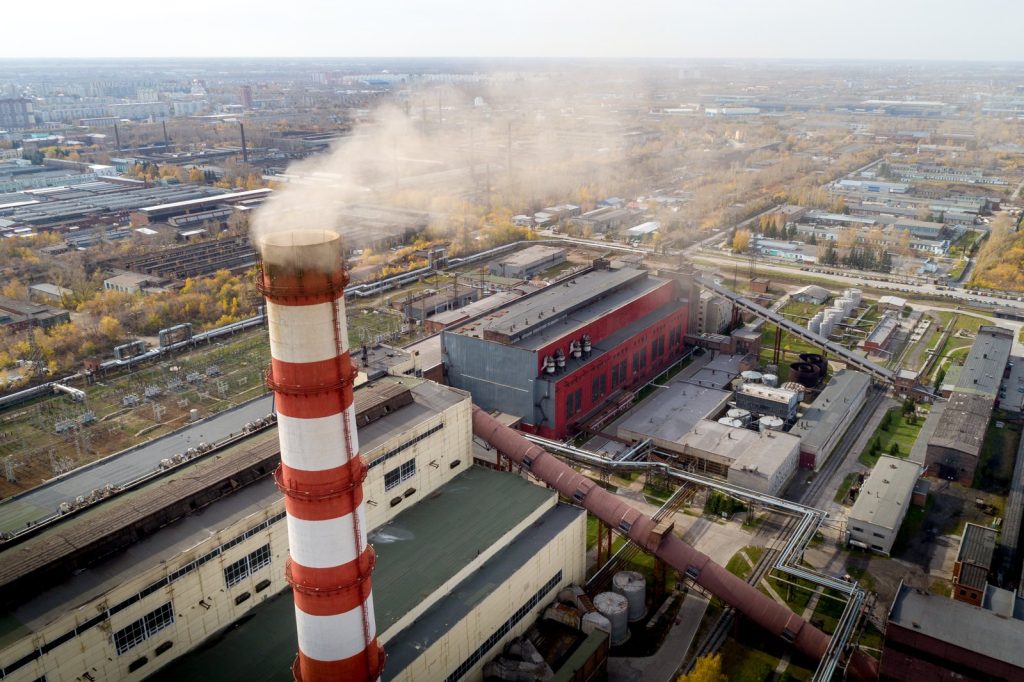
KYIV, July 13 — The shift in Ukraine’s war strategy is becoming unmistakable. Since the full-scale invasion began on February 24, 2022, Kyiv has steadily escalated deep strikes into Russian territory, targeting the economic and military arteries that fuel Moscow’s war machine. What started as isolated incidents has crystallized into a systematic campaign.
The pattern is clear. In April 2022, Ukraine struck an oil depot in Belgorod.
By May 2023, drone attacks hit a refinery in Krasnodar Krai. Then came March 2024, when refineries in Ryazan, Nizhny Novgorod, and Leningrad Oblast were targeted in a coordinated wave. Each strike sends a message: no part of Russia’s energy infrastructure is out of range.
Disrupting the Fuel Supply
These are not symbolic gestures. The operational logic is twofold. First, Ukraine aims to disrupt the fuel supply for Russian military vehicles and aircraft.
Hitting refineries and storage facilities directly impacts Moscow’s ability to sustain armored columns, logistics trucks, and combat aircraft operations near the front lines. Second, there is the economic dimension.
In 2023, oil exports accounted for about 30% of Russia’s federal budget. Every refinery fire chips away at that revenue stream, reducing the Kremlin’s capacity to fund the invasion. The strikes have caused significant fires and forced evacuations in affected areas.
Russia has claimed to intercept many of the incoming drones, but the damage has been real and recurring. The Belgorod oil depot blaze in 2022 was among the first visible signs that the war was coming home to Russian citizens.
Homegrown Technology, Western Restrictions
Watch this space for what the technology tells us. Ukraine is not using Western-supplied weapons for these long-range missions. Restrictions from allies have prevented Kyiv from striking deep into Russia with systems like ATACMS or Storm Shadow.
Instead, Ukraine has turned to indigenous systems. The key platforms are domestically produced long-range drones, such as the UJ-22 Airborne, and modified Soviet-era missiles.
These are not the cutting-edge precision munitions that fill Western arsenals, but they are proving effective enough to reach targets deep inside Russia. The UJ-22, in particular, is a testament to Ukraine’s rapidly maturing drone industry — a sector that has evolved from hobbyist innovation to a pillar of national defense. The trend underneath is clear: Ukraine is building its own deep-strike capability out of necessity.
With Western weapons restricted for cross-border use, Kyiv has no choice but to rely on what it can design and manufacture at home. This has forced a rapid innovation cycle, with engineers constantly adapting airframes, guidance systems, and warheads to evade Russian air defenses.
What’s Changing
What’s changing is the geography of the war. For the first two years, the conflict was largely fought on Ukrainian soil. Now, Russian cities and industrial zones are regularly in the crosshairs.
The strikes are not just tactical — they are strategic, aimed at degrading Russia’s long-term ability to wage war. The campaign also carries a psychological dimension.
Russian civilians in cities like Ryazan and Nizhny Novgorod, far from the front, are now experiencing the disruption of war firsthand. Evacuations and large fires are no longer abstractions. Looking ahead, the trajectory points to further escalation.
Ukraine’s drone production is scaling up, and the range of these systems is likely increasing. As the UJ-22 and other platforms mature, expect more targets deeper inside Russia to come under threat.
The Kremlin’s energy sector, already strained by sanctions, faces a new and persistent vulnerability. For now, the strategy is working within its limits. Ukraine cannot match Russia’s artillery or air power, but it has found a way to strike at the economic and logistical foundations of the invasion.
The shift is real, and it is reshaping the conflict. Watch this space.




