
KIEV, July 11 — The mechanics of diplomacy in the Russia-Ukraine war have always followed a familiar pattern: a proposal, a counter-proposal, then a collapse. On closer reading, the timeline of peace initiatives since February 2022 reveals less a series of near-misses and more a graveyard of frameworks that never survived contact with the battlefield. The first direct talks between Ukraine and Russia occurred in Belarus on February 28, 2022, just four days after the full-scale invasion began.
That round led to a follow-up in Turkey in March 2022, which produced the Istanbul Communiqué. The document sketched a potential neutrality framework for Ukraine.
The talks collapsed entirely in April 2022 after the discovery of civilian killings in Bucha. By 2023, Ukraine had shifted its posture. President Zelenskyy proposed a 10-point peace plan that centred on the restoration of territorial integrity and the withdrawal of Russian troops.
China entered the fray in February 2023 with its own 12-point peace proposal, which Kiev and the West greeted with skepticism. The United Nations General Assembly has passed multiple resolutions condemning the invasion, beginning with Resolution ES-11/1 on March 2, 2022, which demanded Russia’s immediate withdrawal.
But the gap between UN votes and on-the-ground reality has been wide. Resolutions carry moral weight, but they do not compel a withdrawal.
The summit that wasn’t a summit
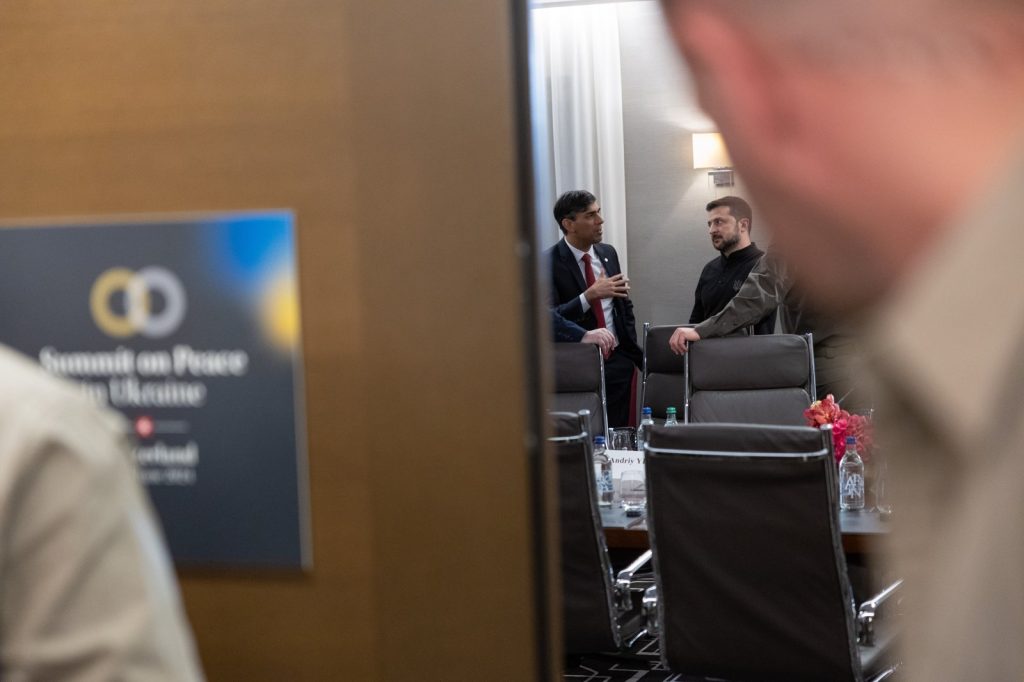
In June 2024, Switzerland hosted a Global Peace Summit with over 90 countries attending. The catch: Russia was not invited. That exclusion, while understandable given Moscow’s intransigence, meant the gathering functioned more as a show of solidarity than a negotiating table.
Without one of the two warring parties present, no binding agreement could emerge. Then came Zelenskyy’s February 2025 claim of internal Russian support for peace — a statement that marks a new phase in diplomacy.
The assertion suggests that Kiev believes fissures exist within the Russian political and military establishment, and that those fissures might be exploited. But on closer reading, no formal talks are scheduled. The claim remains just that — a claim, unverified and untested at the negotiating table.
What to watch next: whether any third party — perhaps China, perhaps Turkey, perhaps a coalition of Global South states — can force a moment where both sides actually sit in the same room. The mechanics here are brutal: without direct talks, peace remains a rhetorical exercise.
And the longer the war grinds on, the harder it becomes for any leader to sell compromise to a population that has endured years of bloodshed.




