
WASHINGTON, July 7 — The first U.S. military strikes on Iranian soil since 1988 mark a significant escalation in a decades-long shadow conflict that has, until now, largely played out at sea, in the air, and through proxies. Here’s what that means in plain terms: the United States has bombed targets inside Iran itself for the first time in 38 years. The last time American forces struck Iranian territory was during Operation Praying Mantis, on April 18, 1988.
That operation was a big deal. It remains the largest U.S. naval surface engagement since World War II.
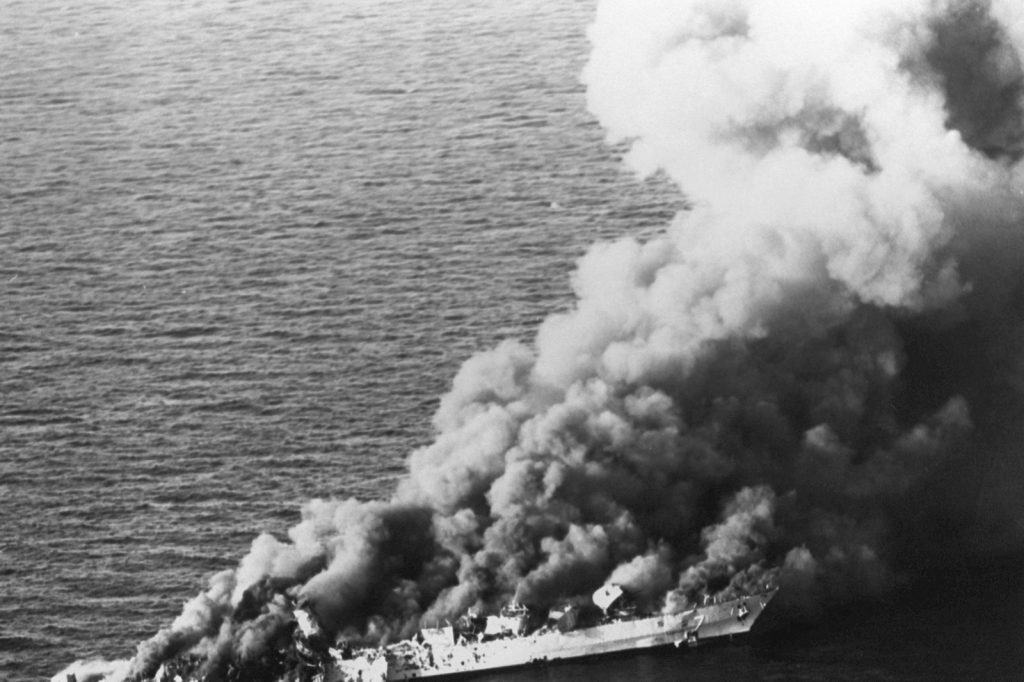
Navy forces destroyed two Iranian oil platforms in the Persian Gulf and sank three Iranian naval vessels, including the frigate Sahand. The trigger? An Iranian mine had damaged the USS Samuel B.
Roberts. Think of it like this: for nearly four decades, the U.S. and Iran have been two boxers circling each other in a ring, landing punches through proxies, cyberattacks, and naval skirmishes, but never actually stepping into each other’s home corners.
The February 2, 2025 strikes changed that. The practical upshot is that the rules of engagement have shifted. Here’s the timeline that led to this moment, drawn from U.S. military actions against Iranian targets: Just months after Operation Praying Mantis, on July 3, 1988, the USS Vincennes mistakenly shot down Iran Air Flight 655, killing all 290 passengers and crew.
It was a tragedy, not a strike on Iranian soil, but it deepened the hostility. Fast forward to 2019. After Iran shot down a U.S. drone, the U.S. conducted a cyberattack on Iranian missile systems on June 20, 2019.
That was a different kind of weapon—digital, not kinetic. On January 3, 2020, a U.S. drone strike killed Qasem Soleimani near Baghdad International Airport.
That was in Iraq, not Iran, but it was a direct assassination of Iran’s top general. On February 25, 2021, the U.S. launched airstrikes on Iranian-backed militia facilities in Syria. In October 2023, the U.S. conducted airstrikes on Iranian-linked weapons storage sites in Syria.
Both were against proxies, not inside Iran. The U.S. has not invaded Iranian territory since the failed Operation Eagle Claw in 1980, which attempted to rescue hostages in Tehran.
That operation ended in disaster in the Iranian desert. So the February 2, 2025 strikes represent a clear break. They are the first U.S. military action on Iranian soil since Operation Praying Mantis.
What to watch next is whether Iran responds directly or through its proxies in Iraq, Syria, Yemen, and Lebanon. The history suggests Tehran often retaliates asymmetrically—through mines, drones, missiles, or attacks on U.S. allies. The region is watching closely.




