
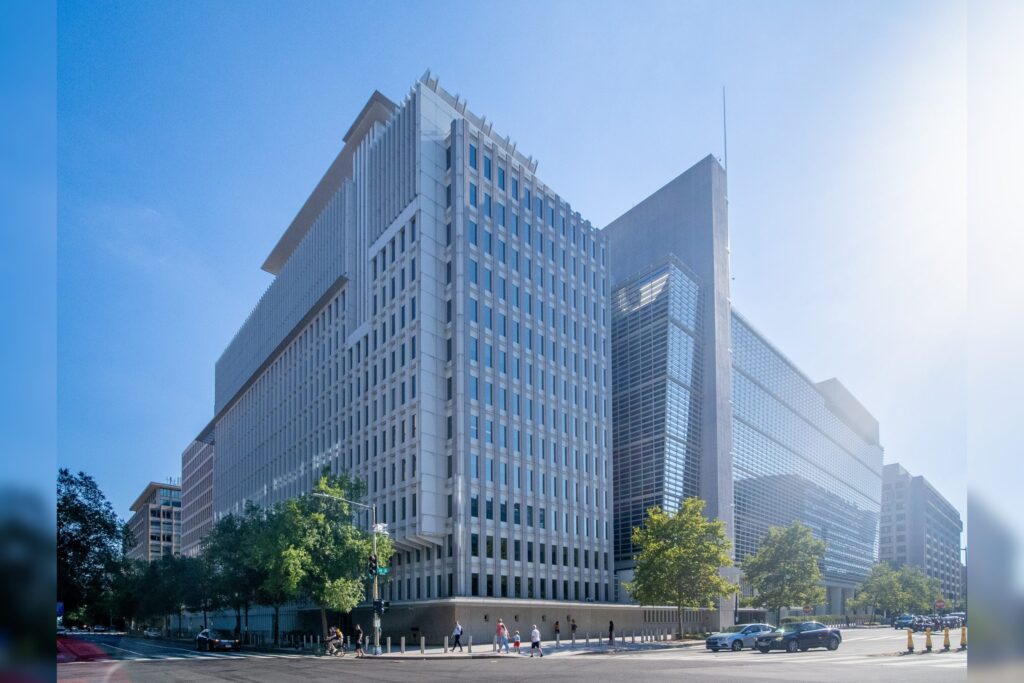
ISLAMABAD, July 14 — A new analysis by the World Bank has put a precise price tag on the global ambition to provide clean water and safe sanitation for everyone by 2030, and the numbers are sobering. The bank’s 2016 report, ‘The Costs of Meeting the 2030 Sustainable Development Goal Targets on Drinking Water, Sanitation, and Hygiene,’ calculated that the world needs $114 billion every year in water and sanitation infrastructure investment to meet the target.
That adds up to a total of $6.7 trillion by the end of the decade. The gap between what is needed and what is actually being spent is substantial.
Current global investment in water and sanitation infrastructure stands at roughly $80 billion per year, according to the same report. That leaves a shortfall of $34 billion annually — money that, if not found, means millions will continue to go without basic services. The stakes are not abstract.
The United Nations Sustainable Development Goal 6 calls for ensuring availability and sustainable management of water and sanitation for all by 2030. But as of 2022, the World Health Organization and UNICEF reported that 2.2 billion people worldwide still lack safely managed drinking water.
Even more striking, 3.5 billion people — nearly half the global population — lack safely managed sanitation. These are the people the infrastructure gap directly affects.
Private money pulling back
One of the more troubling trends for closing this gap is the retreat of private capital. The Organisation for Economic Co-operation and Development reported in 2020 that private sector investment in water infrastructure has actually declined since the 2008 financial crisis. This means the burden is falling even more heavily on public and multilateral sources at a time when many governments face competing budget pressures.
Major development banks have been stepping in to fill part of the void. The World Bank’s International Bank for Reconstruction and Development committed $15.5 billion to water projects between 2015 and 2020.
Meanwhile, the Asian Development Bank has invested $11 billion in water projects across Asia since 2010. These are significant sums, but they still fall well short of the annual need.
What the numbers mean for patients and communities
For a journalist who covers health news, the water and sanitation gap is not just an infrastructure story — it is a cancer story, a diarrheal disease story, a story of preventable suffering. Unsafe water and poor sanitation are direct contributors to disease burden, from cholera to hepatitis to the long-term cancer risks associated with contaminated water sources. The encouraging part is that the World Bank report gives policymakers a clear, evidence-based target to work toward.
Early findings from the report suggest that the $34 billion annual gap is not insurmountable, but it requires a sustained, coordinated push from governments, development banks, and the private sector. The key is not just finding the money, but spending it on the right projects in the places that need it most.
For patients and families in communities that still lack safe drinking water, the message from these numbers is clear: progress is possible, but it is not happening fast enough. The encouraging part is that the targets are measurable and the investment needs are well understood. The challenge now is political will and financial follow-through.
As always, anyone concerned about water quality or sanitation in their community should talk to their doctor or local health authority for guidance specific to their situation.




