
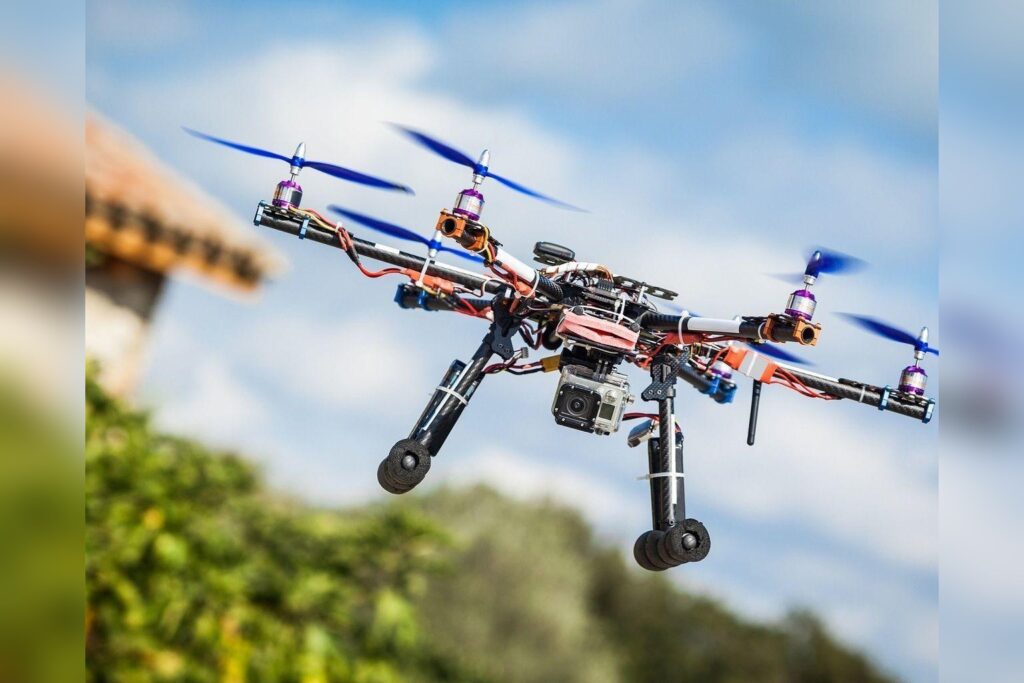
BERLIN, July 12 — The shift is quietly reshaping how Europe’s largest economy funds modern warfare. Germany has committed to financing 50,000 strike drones for Ukraine, a move that carries significant financial weight even as the exact price tag remains undisclosed.
The cost per unit varies dramatically. Basic FPV models can run as low as $1,000, while advanced loitering munitions climb to $50,000 apiece. That puts the total potential bill between €50 million and €2.5 billion. Watch this space: that range tells us how much the final mix of drones will matter to Germany’s books.
**The Fiscal Math**
Germany’s defense budget for 2025 sits at €53 billion, supplemented by the €100 billion special fund for the Bundeswehr established in 2022. The drone aid adds pressure to a fiscal policy already constrained by the constitutional debt brake, which limits new borrowing to 0.35% of GDP.
Chancellor Olaf Scholz has called supporting Ukraine a “historic responsibility,” and the government has consistently prioritized that commitment. The €17 billion already committed to Ukraine makes this latest pledge part of a much larger pattern.
What’s changing is the nature of the aid. These drones are designed to reduce Ukraine’s reliance on expensive missiles, offering a cheaper, more scalable alternative for striking Russian positions. The trend underneath is a strategic pivot toward cost-effective, high-volume systems that can be produced and deployed rapidly.
**Industry and Risk**
For German defense contractors, the deal is a clear boost. It drives exports and creates jobs in a sector that has seen renewed government attention since Russia’s full-scale invasion. Germany’s GDP was €4.1 trillion in 2023, meaning the drone aid represents a small fraction of national output even at the high end of the estimate.
But the economic calculus isn’t the only one. The drones also risk escalation with Russia. Sending 50,000 strike systems into an active war zone changes the battlefield calculus, and Berlin is well aware of the diplomatic and security implications.
The commitment adds to a growing pile of financial obligations. With the debt brake limiting new borrowing, the government will need to balance its Ukraine support against domestic spending priorities. The special fund for the Bundeswehr was meant to address long-standing underinvestment, and this latest pledge draws from that same well.
Watch this space: how Germany manages the tension between its fiscal rules and its strategic commitments will define its defense posture for years to come. The drone deal is just the latest signal that Berlin is betting big on a new kind of warfare—one that is cheaper, faster, and harder to defend against.




