
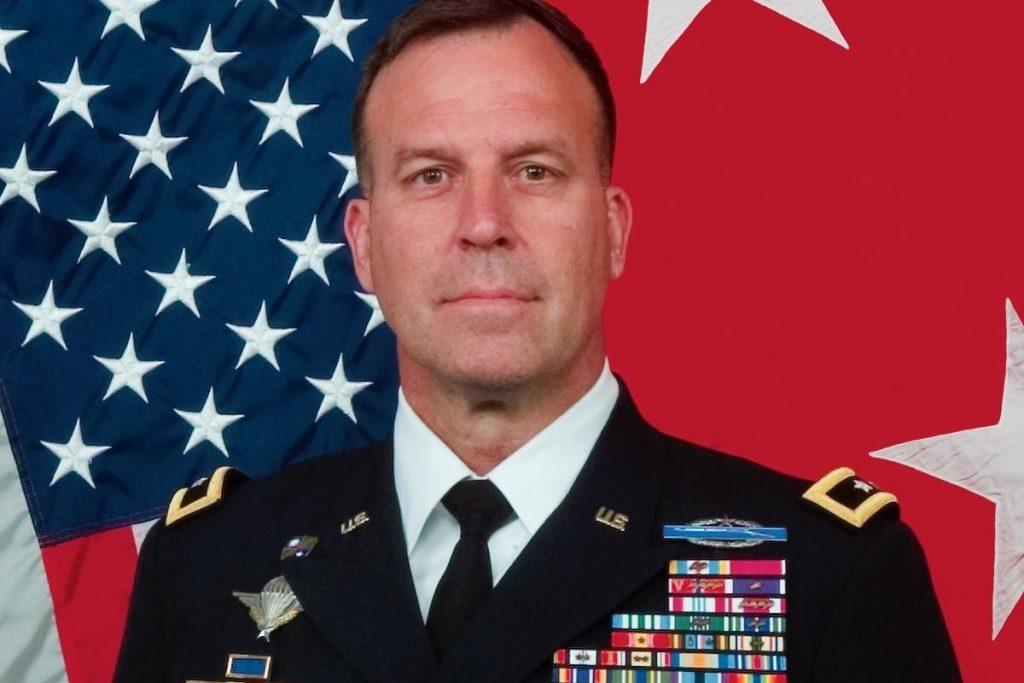
WASHINGTON, July 7 — General Michael Kurilla, the commander of U.S. Central Command, ordered the deployment of additional naval assets to the Middle East following attacks on April 27, 2025, according to official records. The move included the USS Dwight D. Eisenhower carrier strike group.
Kurilla assumed command of CENTCOM on April 1, 2022, succeeding General Frank McKenzie. He is responsible for U.S. military operations across the Middle East, including the strategic Strait of Hormuz.
The general previously served as commander of the 82nd Airborne Division and as director of operations for the Joint Staff. The record shows Kurilla has emphasized deterrence and maintaining freedom of navigation in the region. His response to the April 27 attacks reflects that priority.
Background and command history
Kurilla’s career includes leadership roles in both combat and staff positions. As commander of the 82nd Airborne Division, he oversaw one of the Army’s most deployable units. His tenure as director of operations for the Joint Staff placed him at the center of military planning at the Pentagon.
Since taking CENTCOM, Kurilla has focused on the volatile security environment of the Middle East. The Strait of Hormuz, a key chokepoint for global oil shipments, falls under his area of responsibility.
Response to April 27 attacks
On April 27, 2025, attacks prompted Kurilla to order the deployment of additional naval assets. The USS Dwight D. Eisenhower carrier strike group was dispatched to the region as part of that response.
Kurilla has emphasized deterrence and maintaining freedom of navigation. The timeline of events shows the general acting within his authority as CENTCOM commander.
The deployment followed a pattern of U.S. military responses to threats against commercial shipping in the region.
Looking ahead
As of July 7, 2026, Kurilla remains in command of CENTCOM. The region continues to face security challenges, including threats to freedom of navigation. Observers will watch for further deployments or diplomatic moves.
The general’s emphasis on deterrence suggests the U.S. military will maintain a visible presence in the Strait of Hormuz and surrounding waters.




