“There can be no question of living in a world where international waters are closed.” French Foreign Minister Jean-Noël Barrot used those words on March 27, 2026, as G7 foreign ministers wrapped up two days of talks in France and settled on a plan for the Strait of Hormuz. The plan comes with a hard condition. Nothing sails until the shooting stops.
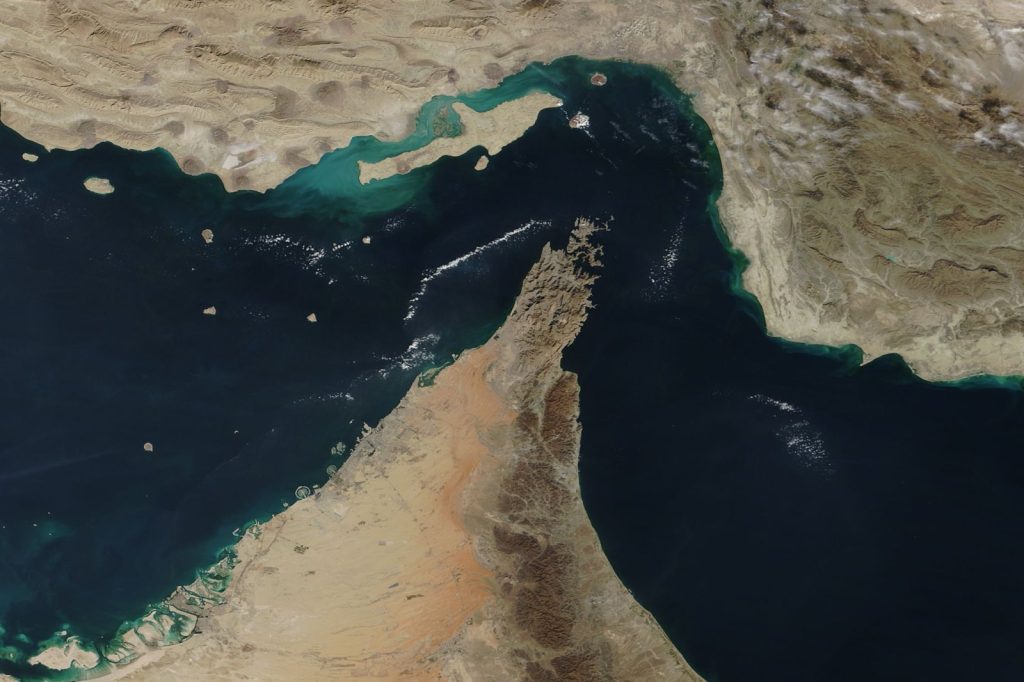
The ministers of Canada, France, Germany, Italy, Japan, the United Kingdom and the United States, joined by the European Union’s High Representative, met at Vaux-de-Cernay from March 26 to 27 under France’s G7 presidency. Their statement reaffirmed “the absolute necessity to permanently restore safe and toll free freedom of navigation in the Strait of Hormuz, consistent with UNSC Resolution 2817 and the Law of the Sea.”
The escort operation itself is tied to the end of the war between the United States, Israel and Iran. Barrot told reporters there is “a very broad consensus within the international community to preserve the common good of freedom of navigation.” The mission would start “once calm has been restored,” he said, and keep “a strictly defensive posture.”
Europe holds back, Washington pushes
Euronews described the timing as a reflection of European unwillingness to put warships into an active conflict. The strait carries roughly one-fifth of global oil and gas supplies and has stayed largely closed since fighting began nearly a month earlier. Shallow water and difficult terrain, plus Tehran’s grip on the passage, make any intervention risky. Oil was hovering around $110 per barrel.
Secretary of State Marco Rubio had leaned on European allies for an immediate maritime mission and said Washington was disappointed with NATO’s hesitation. He later recast the operation as a “post-conflict necessity”: once the war ends, he said, shipowners will need escorts before insurers will cover their vessels.
Germany signaled it would join. “Germany is certainly ready to play a role after the end of military actions in ensuring the safety of shipping in the Strait of Hormuz,” Foreign Minister Johann Wadephul said.
Insurance and earlier statements
The American side has already begun work on the money question. Transportation Secretary Sean Duffy said the government was preparing an insurance program for ships using the strait, and Treasury Secretary Scott Bessent said it would start soon, with the aim of lifting traffic and restoring the flow of oil and gas.
The G7 text followed an earlier statement. On March 19, 2026, the United Kingdom, France, Germany, Italy, the Netherlands and Japan condemned Iran’s closure of the strait, which UNITED24 Media said cut off a route for 20% of global oil production, and welcomed a coordinated release of strategic petroleum reserves. Over 30 countries have now signed a statement of readiness to help secure safe passage, according to Euronews, though the arrangement stays vague on how it would work.
The G7 ministers also called for an “immediate cessation of attacks against civilians and civilian infrastructure” and for coordinated humanitarian assistance.
Europeans remain wary of any military role in the wider Middle East conflict, Euronews reported, citing doubts that the mission would succeed and its unpopularity at home.
Sources
- G7 Agrees to Secure Strait of Hormuz, But Only After Iran War Ends (Euronews)
- G7 Agrees to Secure Strait of Hormuz Once Middle East Hostilities End (UNITED24 Media)
- G7 Foreign Ministers' Statement on Iran (Global Affairs Canada)