
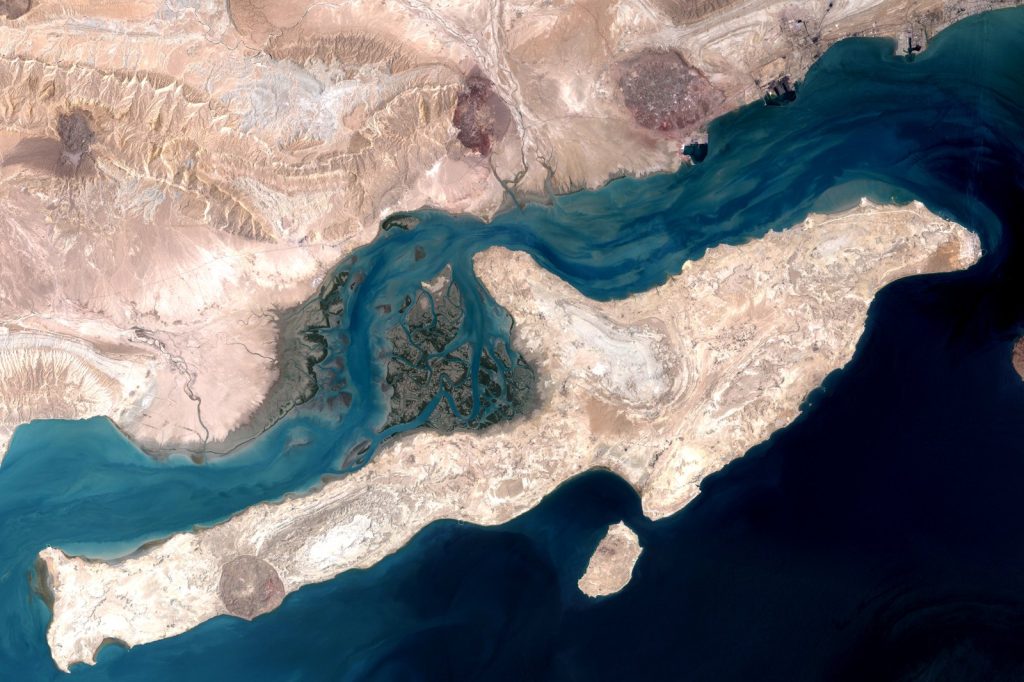
Explosions Hit Iranian Ports Amid Denials and Accusations
On May 7, 2026, a series of blasts struck the ports of Qeshm and Bandar Abbas in Iran’s Hormozgan province, triggering immediate denials and counter‑claims from various governments and officials. Israeli representatives said they had no part in the explosions, stressing that Israel was not involved.
In contrast, a Fox News correspondent, Jennifer Griffin, reported that unnamed sources pointed to the United States military as the perpetrator of the blasts. The timing of the incidents raised alarms about the fragile cease‑fire that has been holding in the region, with officials scrambling to assure that the explosions do not signal a renewal of hostilities. When asked for comment, US Secretary of Defense Lloyd Austin declined to speak, citing operational security considerations. NATO Secretary‑General Jens Stoltenberg issued a statement emphasizing the alliance’s commitment to regional stability and urging all parties to exercise restraint.
The AUKUS arrangement—comprising Australia, the United Kingdom and the United States—said it was closely monitoring developments, with Australian Prime Minister Anthony Albanese calling for calm and de‑escalation. The Quad grouping, which brings together the United States, India, Japan and Australia, also voiced concern; Indian External Affairs Minister S.
Jaishankar remarked that the explosions highlight the need for sustained diplomatic efforts to preserve peace. Analysts warned that the blasts increase the risk of miscalculation and escalation, given the intricate network of alliances and rivalries in the Gulf. Iranian Foreign Minister Hossein Amirabdollahian avoided directly accusing the United States or its allies, instead calling for a thorough investigation into what caused the explosions.
Chinese Foreign Ministry spokesperson Wang Wenbin condemned the incidents, demanding an end to what he described as external interference in the region. Russian Foreign Minister Sergey Lavrov echoed that view, warning against provocation and aggression.
US Senator Lindsey Graham urged a strong response to any perceived Iranian aggression, arguing that the United States and its partners must maintain a robust deterrent posture. UK Defence Secretary Ben Wallace stressed the importance of collective defence and cooperation among like‑minded nations, calling for a unified approach to emerging security challenges. On the ground, local officials in Qeshm reported considerable damage to port infrastructure, noting that several ships and buildings were affected by the explosions.
Iranian authorities said there were no casualties, but they cautioned that the full scale of the damage and any possible human toll remain unclear pending further assessment. As investigators continue to probe the cause of the blasts, the international community is watching closely for any signs of escalation or miscalculation.
The United States and its allies have indicated they stand ready to react to any perceived threats to regional stability. With the Gulf already on high alert, the coming days and weeks will be decisive in shaping the trajectory of this unfolding situation, and the ability of regional and global actors to navigate its challenges through diplomacy and cooperation will be tested.




