
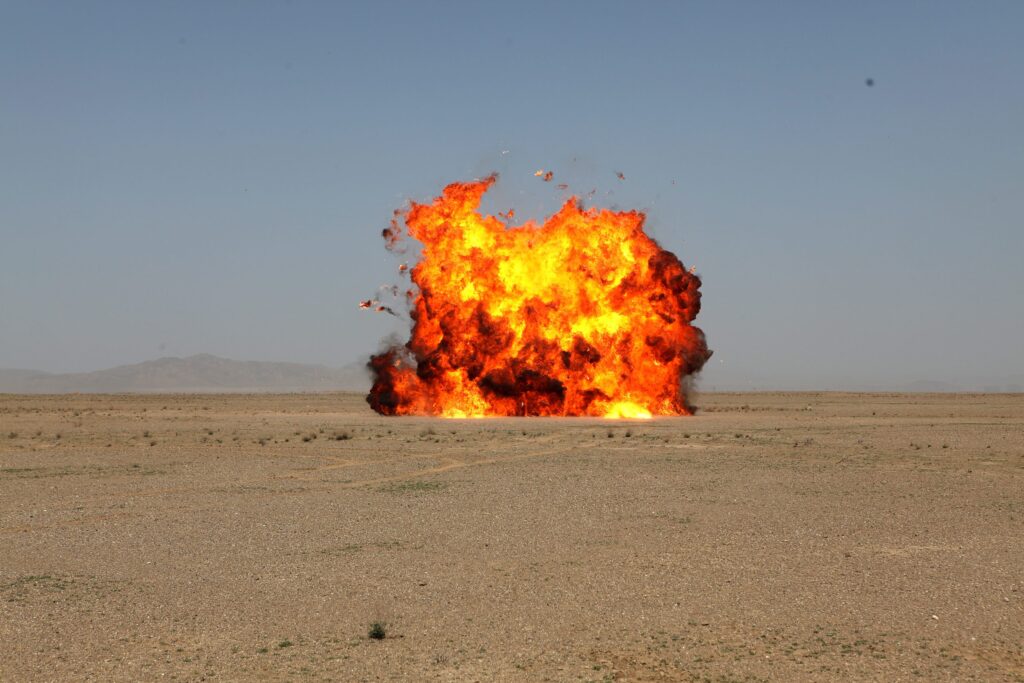
MOSCOW, July 13 — Explosions were reported in Moscow Oblast on April 27, 2024, the region surrounding the Russian capital, according to officials. Russian authorities attributed the blasts to Ukrainian drone attacks, though independent verification of that claim remains pending. The incident, if confirmed as originating from Ukraine, would represent a significant escalation in the ongoing conflict.
Moscow Oblast is home to more than 8 million people and contains critical infrastructure, including government buildings, military bases, and transportation hubs. The region is also heavily defended by air defense systems, making any successful strike a notable development.
Official Account and Unanswered Questions
The Russian Ministry of Defense stated that its forces intercepted multiple drones over the region. Officials further indicated that debris from the intercepted drones may have caused damage on the ground. The precise extent of any damage or casualties has not been independently established.
The cause of the explosions remains unclear outside of the Russian government’s attribution. No independent source has confirmed the presence of Ukrainian drones or the origin of any munitions involved.
This lack of verification leaves a central question unresolved.
Strategic Context and Prior Incidents
Prior to the April 27 explosions, Moscow Oblast had experienced sporadic drone activity. The record shows a strike on a residential building in Moscow city in July 2023, an attack that Russia also blamed on Ukraine. That earlier incident demonstrated that the capital area was not beyond the reach of such tactics, even if the frequency remained low.
The April 27 events, if they do represent Ukrainian strikes, raise immediate concerns about the vulnerability of the Moscow capital area. The region’s dense population and concentration of strategic assets make it a high-value target, but also one that Russia has invested heavily in defending.
Reports of intercepted drones suggest the air defense systems are active, but the possibility of debris causing damage indicates that the defense is not absolute.
Potential Consequences
The incident could prompt Russia to reinforce air defenses around Moscow. Any perceived vulnerability in the capital’s protective umbrella carries both military and political implications. The Kremlin has consistently presented the war as distant from everyday life in Moscow, and strikes near the capital undermine that narrative.
For Ukraine, the ability to threaten Moscow Oblast, even sporadically, offers a strategic tool. It forces Russia to allocate resources to defend the capital region, potentially drawing assets away from front-line positions.
It also serves as a demonstration of reach, a factor that carries weight in the broader geopolitical calculus of the conflict. The situation remains under assessment. Officials have not released further details on the April 27 explosions, and independent observers have yet to provide a full accounting of the event.
What is clear is that the security environment around Moscow has shifted, and the response from Russian military planners will be closely watched in the coming weeks.




