
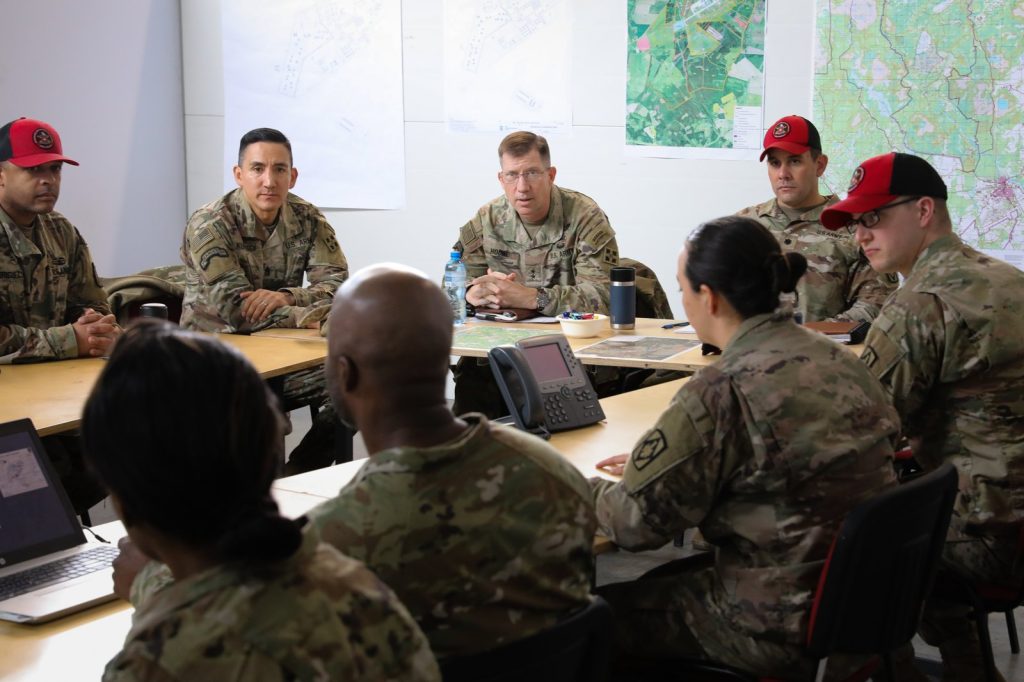
TALLINN, July 6 — Estonia’s defence strategy, built around collective security under NATO Article 5 since joining the alliance in 2004, faces a significant reassessment after a planned withdrawal of U.S. troops by 2027. American forces have formed a key component of NATO’s forward presence in the Baltic state since 2014, serving as a visible component of deterrence against potential Russian aggression. According to the source material, the scheduled departure has prompted Estonian officials to reassess their defense posture.
Estonia maintains a small active-duty force of about 6,000 personnel. The record shows this is supplemented by a reserve of around 230,000 trained citizens.
The country has met NATO spending guidelines by increasing defence expenditure to over 2% of GDP since 2017. Potential increases in domestic spending are now under consideration. Closer cooperation with other NATO allies, specifically the United Kingdom and Canada, is also being pursued.
The planned withdrawal by 2027 presents a concrete timeline. Estonian officials are working against that clock.
The strategic context is plain. Estonia’s geography leaves it exposed to a larger neighbour, and the country’s entire post-2004 defence concept has relied on collective defense under NATO Article 5. The U.S. troop presence was not merely symbolic; it guaranteed that any incursion would immediately involve the world’s most powerful military.
Without that guarantee, the burden shifts. The reserve of 230,000 trained citizens provides depth, but active-duty numbers remain modest. The question now is whether increased spending and bilateral arrangements with London and Ottawa can fill the gap left by Washington.
The United Kingdom and Canada already participate in NATO’s forward presence in the region. Deeper cooperation with these allies could involve rotational deployments, joint exercises, or prepositioned equipment.
Officials have offered no timeline for when the new posture will be finalised. The reassessment is ongoing. What is clear is that Estonia’s defence establishment is treating the 2027 deadline as a fixed point.
Watch for announcements from Tallinn regarding specific spending increases or new bilateral defence pacts in the coming months. The alliance’s eastern flank is adjusting to a reality where the American forward presence is no longer guaranteed indefinitely.




