
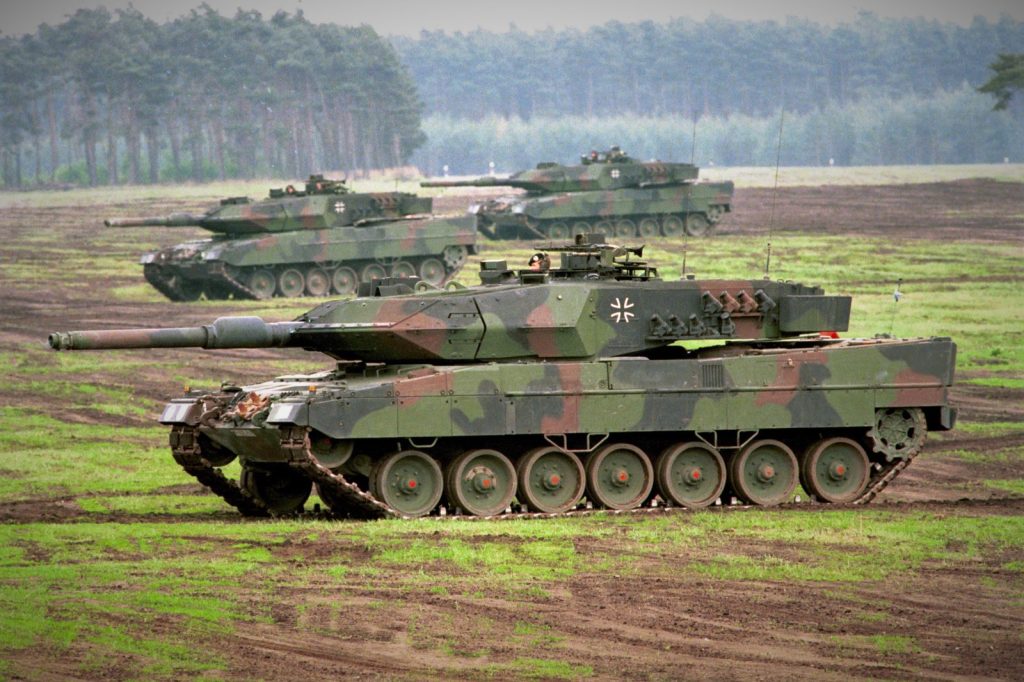
BERLIN, July 12 — Against this backdrop of a grinding war of attrition in eastern Europe, Germany has now cemented its position as the second-largest military donor to Ukraine, with total commitments surpassing €17 billion as of 2024. The scale of this aid is substantial. Berlin has delivered 18 Leopard 2 main battle tanks, 50 Marder infantry fighting vehicles, seven IRIS-T air defense systems, and 30,000 artillery shells.
These deliveries represent a significant shift for a nation that, for decades, maintained a cautious, post-war reluctance to project military power abroad. Yet the most recent pledge signals a new phase in the conflict.
Germany has committed to supplying 50,000 strike drones to Ukraine. While the exact cost remains undisclosed, estimates place the package at several hundred million euros. This is not a small addition; it is a strategic bet on a weapon system that has come to define modern warfare in this theatre.
The Drone War Takes Centre Stage
The war has seen a dramatic increase in drone usage. In 2023 alone, over 10,000 drone strikes were reported. Ukraine’s drone fleet has grown to include thousands of units, a capability that both sides have now integrated into nearly every facet of operations — from reconnaissance to precision strikes.
What is at stake here is the evolution of the battlefield itself. The German pledge of 50,000 strike drones will not merely add numbers; it will likely reshape Ukrainian tactics, allowing for sustained pressure along the front without the same risk to ground crews that manned artillery requires.
The wider picture, however, remains one of scale. The United States has provided over $44 billion in military aid to Ukraine since 2022, a figure that still dwarfs European contributions. In the corridors of NATO headquarters, the question of burden-sharing persists, even as European allies like Germany accelerate their own production lines.
A European Industrial Awakening
For Germany, this represents more than just a transfer of hardware. The decision to manufacture and supply 50,000 drones — a number that would have seemed implausible just a few years ago — reflects a deeper recalibration of the country’s defence industrial base. The war has forced Berlin to confront uncomfortable truths about its own readiness and the limits of a peacetime economy.
The Leopard 2 tanks and Marder vehicles already in Ukrainian hands have proven their worth in the field. The IRIS-T systems, in particular, have become a critical layer in Ukraine’s air defence network, intercepting Russian missiles and drones with reported high success rates.
But the war is a contest of consumption, and stockpiles dwindle faster than any peacetime planner anticipated. As the fighting enters its fourth year, the question now is whether these new drone deliveries can arrive quickly enough to make a difference on the ground. The summer of 2026 may well determine the trajectory of the next phase — and Berlin’s latest pledge is a clear signal of where it stands.




