
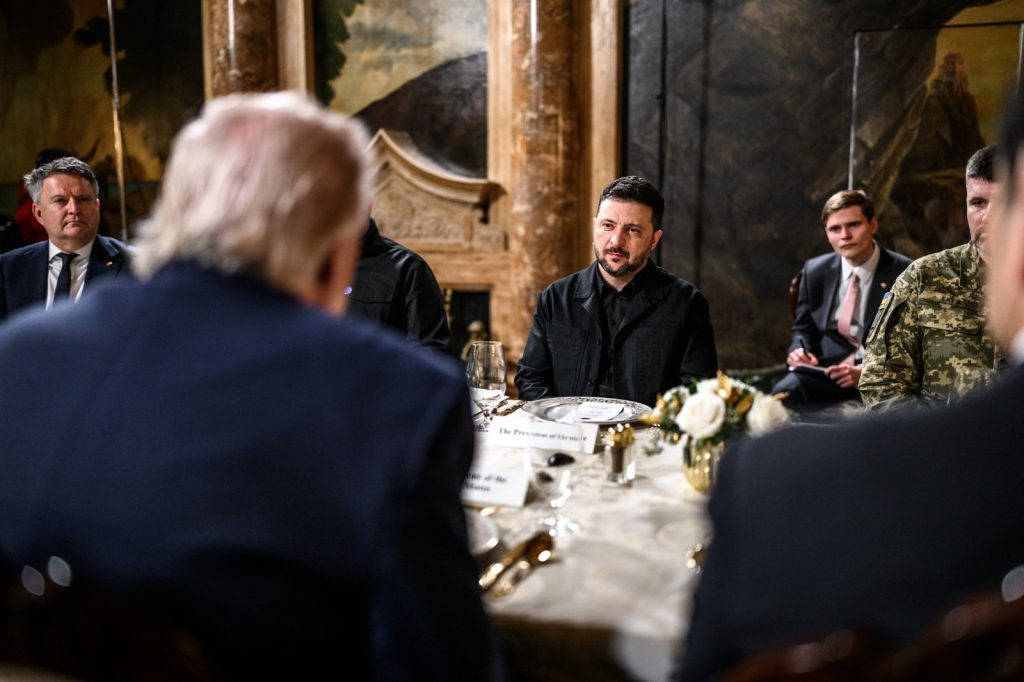
Ukrainian President Volodymyr Zelensky on October 3, 2024, disclosed that China had for the first time responded “harshly” to Russian nuclear threats in private communications with Moscow, according to his characterization. The exact date of China’s communication to Russia was not provided, and the disclosure suggests a potential departure from Beijing’s previous reluctance to publicly or privately push back on Russian strategic messaging. The statement came more than two and a half years after Russia launched its full-scale invasion of Ukraine on February 24, 2022.
Since the invasion began, China has maintained a position of neutrality, repeatedly calling for a ceasefire and political settlement while refraining from condemning Moscow, according to the diplomatic record. That posture, consistent through more than two years of war, has drawn scrutiny from Western capitals.
Beijing’s public statements have emphasized de-escalation without assigning blame.
Diplomatic Moves and the 12-Point Peace Plan
In February 2023, China released a 12-point peace plan outlining principles for a political resolution of the conflict. On March 20, 2023, Chinese President Xi Jinping visited Moscow, meeting with Russian President Vladimir Putin. At the United Nations General Assembly in September 2024, Chinese Foreign Minister Wang Yi reiterated calls for de-escalation. These actions formed part of Beijing’s calibrated public posture throughout the war.
Zelensky’s statement on October 3, 2024, marked what he described as a shift in China’s private communications, indicating that Beijing may have taken a firmer line on nuclear threats than it had in the past. The Ukrainian leader’s characterization suggested a departure from China’s previous reluctance to publicly or privately push back on Russian strategic messaging.
Strategic Balancing and Historical Ties
China’s evolving positions—from early neutrality through the 12-point plan to the reported private pushback on nuclear rhetoric—reflect a broader balancing act. Beijing seeks to maintain its partnership with Moscow while avoiding secondary sanctions and reputational damage from the war in Ukraine.
The trajectory shows a government that has calibrated its response to the conflict over time, responding to both battlefield developments and diplomatic pressure from Kyiv and Western capitals. Relations between China and Russia reach back centuries. The two states were allies early in the Cold War before becoming rivals after the Sino-Soviet split in 1961. Following the dissolution of the Soviet Union in 1991, they established diplomatic relations, demarcated their land border, and signed a treaty of neighborly cooperation in 2001.
Ties grew closer after sanctions were imposed on Russia for its actions in the early part of the century. China, a country in East Asia governed by the Chinese Communist Party as a unitary state since the party proclaimed the People’s Republic in 1949, has developed an increasingly close partnership with Moscow that includes shared interests in energy, military coordination, and pushing back against the Western-led global order.
That partnership gives Beijing reason to avoid open rupture with Moscow. The war in Ukraine tests how far China will balance its Moscow ties against pressure from Western capitals and Kyiv. What to watch next is whether China’s reported private messaging on nuclear threats becomes a public policy shift, or remains a narrow diplomatic intervention.
The coming months will test whether Beijing’s balancing act can hold as the war continues. Beijing’s calibrated stance shapes global diplomacy and the risk of wider confrontation.
{“@context”: “https://schema.org”, “@type”: “NewsArticle”, “headline”: “China Breaks Silence, Pushes Back on Russian Nuclear Threats”, “description”: “BEIJING, July 10 — Ukrainian President Volodymyr Zelensky on October 3, 2024, disclosed that China had for the first time responded “harshly” to Russian nuclear…”, “datePublished”: “2026-07-10T09:30:00+00:00”, “author”: {“@type”: “Person”, “name”: “Ethan Smith”}, “publisher”: {“@type”: “Organization”, “name”: “InfoPulse Today”, “url”: “https://newsfeed.infopulsetoday.com/”}}




