
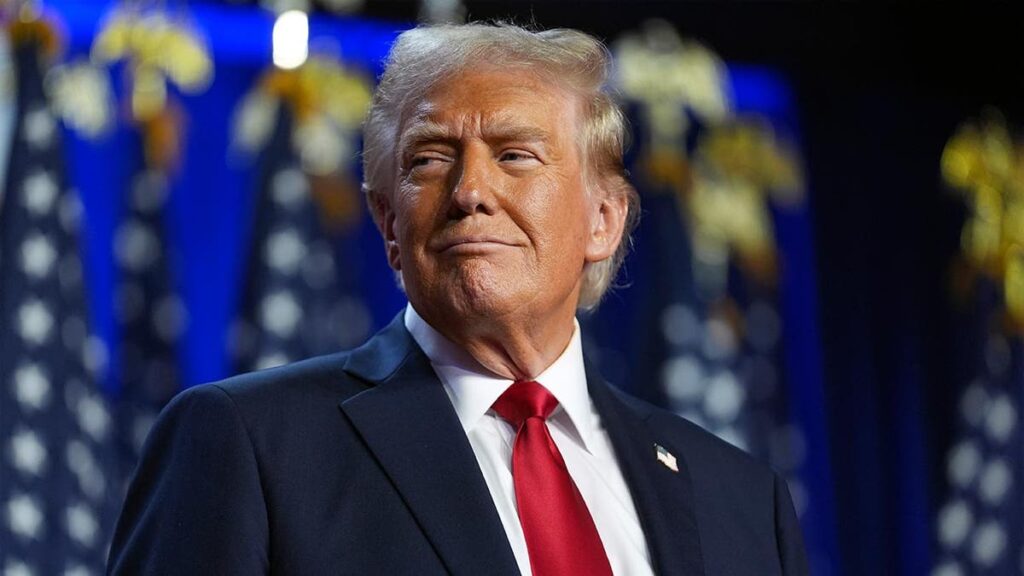
An economist cited in the main story has drawn a direct parallel between the Trump administration’s trade war with China, which began in July 2018, and the current U.S.-Iran talks. The comparison suggests that brinkmanship and escalating demands characterized the Trump approach, a pattern the economist sees mirrored in the Iran negotiations.
The analysis does not single out the current U.S. administration for unique criticism; the pattern it describes is one of continuity, not innovation.
A Parallel in Negotiation Tactics
The trade war with China began in July 2018 with tariffs on $50 billion of Chinese goods. It escalated to tariffs on over $500 billion by 2019. Multiple rounds of negotiations occurred, with the United States imposing tariffs on Chinese imports and China retaliating with tariffs on U.S. goods.
A Phase One deal was signed in January 2020, but tensions persisted. The economist warns that the Iran talks could follow a similar pattern of volatility, potentially leading to oil price spikes if negotiations fail.
The Phase One deal with China was, in the end, a partial agreement. The economist warns that the Iran talks risk a similar outcome. The trade war’s impact on global oil markets was not incidental.
China’s role as the world’s largest oil importer meant that any slowdown in its economy, induced by tariffs, directly reduced demand for crude. Oil prices fluctuated due to reduced demand from China and supply concerns.
The economist draws a direct line from that period to the present.
Historical Context of U.S.-Iran Relations
United States-Iran relations are the diplomatic and political interactions between the two nations. These ties began in the mid-19th century. For a time, the United States held the trust of Iranian leaders.
This changed after the Central Intelligence Agency helped organize a coup in 1953 to overthrow the government of Mohammad Mosaddegh. While the two countries remained allies during the Cold War, the 1979 Iranian Revolution ended that partnership.
Formal diplomatic relations ceased in 1980. Since then, the countries have used Switzerland and Pakistan as protecting powers to communicate. A trade embargo has been in place since 1995.
Tensions eased briefly in 2015 with a deal to limit the Iranian nuclear program. However, the first Trump administration withdrew from that agreement in 2018 and re-imposed sanctions.
Iran responded by reducing its commitments to the deal. Recent years saw a sharp escalation in conflict. In February 2026, the United States and Israel launched joint attacks on Iranian sites.
This war included the assassination of Iran’s supreme leader. Hostilities halted in June 2026 following a memorandum of understanding mediated by Qatar and Pakistan.
This agreement established a ceasefire to allow for a final settlement.
Global Energy Stakes
The current status of these relations matters because of the potential for global instability. Failure to reach a lasting settlement could lead to renewed conflict. Such volatility often affects international energy markets.
For readers, this means that diplomatic breakthroughs or failures in these talks can directly influence the cost of oil. The economist’s warning about a pattern of volatility in the Iran talks, echoing the trade war with China, underscores the risk: if negotiations falter, oil price spikes could follow, with implications for global supply and demand dynamics shaped by any economic slowdown in major importers such as China.
The outcome of the ongoing talks remains uncertain, but the historical precedent from 2018 to 2020 offers a cautionary framework for what may lie ahead.
{“@context”: “https://schema.org”, “@type”: “NewsArticle”, “headline”: “Trump’s China trade war tactics echo in U.S.-Iran talks”, “description”: “LONDON, July 9 — An economist cited in the main story has drawn a direct parallel between the Trump administration’s trade war with China, which…”, “datePublished”: “2026-07-09T09:30:00+00:00”, “author”: {“@type”: “Person”, “name”: “Noah King”}, “publisher”: {“@type”: “Organization”, “name”: “InfoPulse Today”, “url”: “https://newsfeed.2bme.xyz/”}}




