
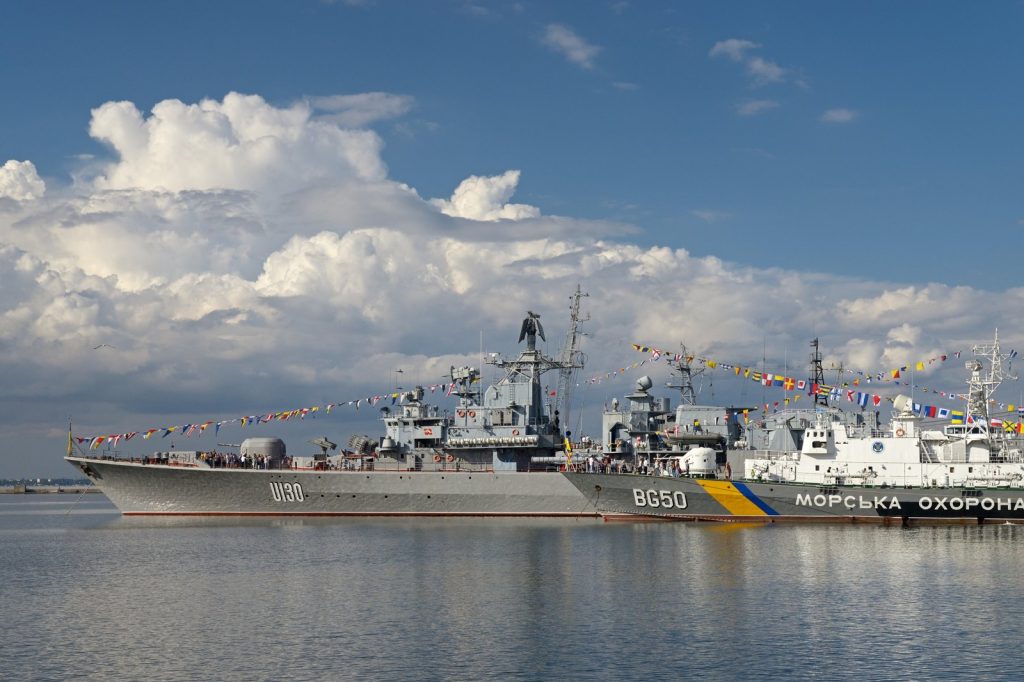
KYIV, July 9 — The shift is already underway in the Black Sea, and it’s rewriting the rules of naval power in the region. The August 2024 strikes against Russian vessels represent a strategic pivot, one that could force Moscow to pull its remaining surface combatants back to ports further east, such as Tuapse or Sochi. That’s a significant retreat, and it directly reduces Russia’s ability to conduct amphibious operations or enforce a blockade.
Ukrainian officials have been clear about their objective. They state the goal is to render the Black Sea Fleet operationally ineffective.
That’s not just rhetoric; the strikes have hit 21 vessels, and the pattern suggests a deliberate campaign to degrade Russia’s naval presence in the region. What’s changing here is the method. Ukraine is increasingly relying on domestically produced drones for long-range precision strikes, reducing its dependence on Western-supplied missiles.
That’s a capability shift that has broader implications for the conflict.
The Intelligence Backbone
The US and NATO have provided intelligence support, including satellite imagery and targeting data. They have not confirmed direct involvement in the strikes, but the intelligence pipeline is clearly a factor. This is a familiar dynamic in the conflict: Western allies supply information, Ukraine executes the operations.
The trend underneath is that Ukraine is building a self-sufficient strike capability, even as it continues to receive external support. Future operations may target Russia’s naval logistics infrastructure.
Fuel depots and repair facilities are likely on the list. If Ukraine can degrade those, it compounds the pressure on the Black Sea Fleet, making it harder for Russia to sustain any kind of maritime posture. Watch this space for that next phase.
Escalation Risks
The strikes could escalate tensions. Russia may retaliate against Ukrainian port infrastructure or civilian shipping. That’s a real risk, and it would have direct consequences for grain exports and commercial traffic in the region.
The UN has called for de-escalation, a standard plea in this conflict, but one that carries weight given the potential for disruption to global food supplies. Turkey, as a Black Sea littoral state, has offered to mediate.
Ankara has a unique position here, balancing NATO membership with a complex relationship with Russia. Whether Turkey can broker anything meaningful remains an open question, but its offer is on the table. The balance of naval power in the Black Sea is shifting.
Russia’s ability to project force from the sea is eroding, and Ukraine is demonstrating a growing capacity to strike at range. The next moves will determine whether this becomes a lasting strategic change or a temporary tactical advantage.
What’s clear is that the old assumptions about naval dominance in the Black Sea no longer hold.




