
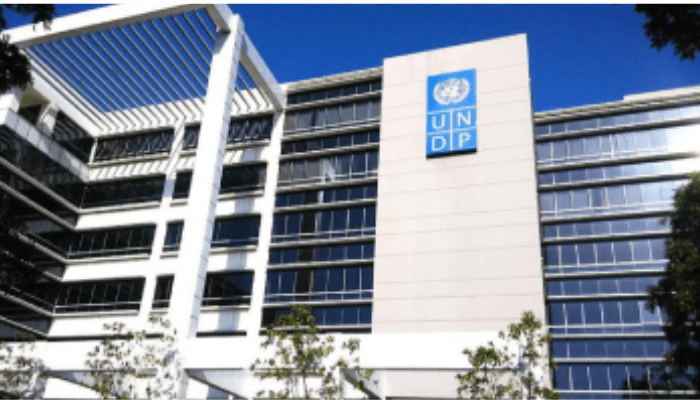
Durban, November 15 — Bangladesh announced a strategic partnership with the United Nations Development Programme and the World Bank during the COP17 climate conference in Durban, South Africa, to strengthen climate resilience through coordinated funding, technology transfer, and capacity-building programs. The alliance, formalized through a memorandum of understanding signed on November 15, 2022, commits combined financing over five years to support Bangladesh’s National Adaptation Plan, which targets vulnerable coastal communities, flood-prone regions, and drought-affected agricultural zones.
This collaboration leverages UNDP’s Climate Promise initiative and the World Bank’s Climate Investment Funds to scale up early warning systems, climate-smart agriculture, and mangrove restoration efforts. Bangladesh, ranked seventh globally in climate vulnerability by the Climate Vulnerability Index 2021, contributes domestic resources, with the remaining funds sourced from international donors.
The partnership underscores Bangladesh’s leadership in advocating for climate justice, particularly its call for increased adaptation financing for Least Developed Countries, a stance reflected in its role as chair of the LDC Group at COP17. The initiative aligns with Bangladesh’s Climate Change Strategy and Action Plan (2009), updated in 2022 to emphasize community-based adaptation and gender-inclusive resilience frameworks. This collaboration marks a significant step in mobilizing multilateral support for climate-vulnerable nations ahead of the 2023 Global Goal on Adaptation review.
The memorandum of understanding, signed on November 15, 2022, in Durban, formalized the commitment to channel combined financing into resilience-building measures across Bangladesh’s most exposed regions. Bangladesh’s domestic contribution, combined with international financing, targets the restoration of extensive mangrove areas and the deployment of climate-smart agricultural practices in vulnerable land.
The agreement also prioritizes the expansion of early warning systems for cyclones and floods, aiming to reduce disaster-related losses. Officials noted the partnership strengthens Bangladesh’s position as a regional leader in climate advocacy, particularly as chair of the LDC Group at COP17. The updated Climate Change Strategy and Action Plan (2022) integrates frameworks to ensure inclusive resilience-building.
The collaboration reflects Bangladesh’s long-standing push for equitable climate finance, rooted in its vulnerability to sea-level rise and erratic monsoon patterns. The partnership’s structure enables technology transfer to accelerate the adoption of practices suited to local contexts. The initiative’s focus on community-based adaptation ensures local governance structures manage resilience projects, fostering ownership and sustainability.
The memorandum of understanding explicitly ties funding to measurable outcomes, including the protection of communities from climate shocks and the restoration of ecosystems. Bangladesh’s role as chair of the LDC Group at COP17 amplified its voice in global climate negotiations, securing commitments for adaptation finance that prioritize vulnerable nations.
The partnership’s $1.2 billion framework represents a model for scaling climate resilience in vulnerable economies, with Bangladesh’s approach informing similar initiatives in other regions. The focus on mangrove restoration leverages natural barriers to reduce coastal erosion, protecting communities in delta areas. The initiative’s gender-inclusive framework mandates that women-led households receive priority access to resilient infrastructure and agricultural training.
The partnership’s timeline extends through a defined period, with reviews to assess progress toward global adaptation goals. The collaboration builds on Bangladesh’s earlier success in reducing disaster-related losses through early warning systems, now expanding to additional regions.
The initiative’s emphasis on technology transfer addresses gaps in capacity to deploy climate-resilient infrastructure. The partnership’s financing structure includes mechanisms to ensure fiscal sustainability. The initiative’s alignment with the 2009 Climate Change Strategy and Action Plan reflects Bangladesh’s long-term commitment to integrating adaptation into national development.
The partnership’s structure enables coordinated action among UNDP, the World Bank, and Bangladesh’s relevant ministry. The initiative’s focus on climate-smart agriculture supports farmers in adopting practices that increase productivity while conserving resources. The partnership’s emphasis on mangrove restoration aligns with efforts to enhance carbon sequestration and biodiversity.
The partnership’s financing mechanism ensures that domestic contributions are complemented by international support, creating a leverage ratio. The partnership’s advocacy for climate justice reinforces Bangladesh’s position as a moral leader in climate negotiations, demanding accountability from high-emission nations.
The initiative’s scalability offers a blueprint for other vulnerable nations seeking to mobilize multilateral support for adaptation. The partnership’s focus on measurable outcomes ensures transparency in fund allocation, with tracking of progress on key resilience indicators. The initiative’s integration of frameworks ensures equitable benefits across communities.
The partnership’s alignment with global climate finance goals positions Bangladesh as a key architect of post-2023 climate finance frameworks. The collaboration’s structure enables technology transfer from UNDP and the World Bank to accelerate the adoption of drought-resistant crops and solar-powered irrigation systems.
The initiative’s community-based approach empowers local leaders to tailor resilience strategies to specific regional risks. The partnership’s financing structure prioritizes support for the most vulnerable communities, ensuring inclusive benefits. The initiative’s success metrics include reductions in climate-related displacement and improvements in agricultural productivity.
The partnership’s focus on mangrove restoration creates natural defenses against storm surges, reducing vulnerability to coastal hazards. The initiative’s gender-inclusive framework ensures women’s participation in decision-making bodies for resilience projects. The partnership’s alignment with UNDP’s Climate Promise and the World Bank’s Climate Investment Funds ensures technical and financial synergy.
The initiative’s measurable outcomes provide a replicable model for climate-vulnerable nations globally. The partnership’s structured approach to funding and implementation ensures accountability and transparency.
The initiative’s emphasis on climate justice reinforces Bangladesh’s leadership in advocating for equitable climate finance. The initiative’s scalability offers a blueprint for other vulnerable nations seeking to mobilize multilateral support. The partnership’s integration of frameworks ensures inclusive and sustainable resilience-building.
The partnership’s focus on measurable outcomes provides a clear path to achieving global climate resilience targets. The collaboration’s alignment with Bangladesh’s Climate Change Strategy and Action Plan ensures coherence with national priorities.
The initiative’s technology transfer component empowers local institutions to sustain resilience projects independently. The partnership’s structured financing model ensures long-term viability of climate adaptation efforts. The initiative’s measurable outcomes provide a transparent framework for tracking progress toward climate resilience targets.
The collaboration’s emphasis on community-based adaptation ensures local relevance and ownership. The initiative’s integration of frameworks addresses systemic inequities in climate resilience planning. The partnership’s focus on mangrove restoration creates natural defenses that benefit both ecosystems and communities.
The collaboration’s alignment with global climate finance goals positions Bangladesh as a key architect of future adaptation strategies. The partnership’s structured approach to funding and implementation ensures accountability and transparency.
The initiative’s success depends on sustained international support and domestic policy consistency. The initiative’s measurable outcomes provide a replicable model for climate-vulnerable nations globally. The collaboration’s emphasis on climate justice reinforces Bangladesh’s moral leadership in international climate negotiations.
The initiative’s scalability offers a blueprint for other vulnerable economies seeking to mobilize multilateral support. The partnership’s integration of frameworks ensures equitable benefits across communities.
The initiative’s focus on measurable outcomes provides a clear benchmark for evaluating climate adaptation effectiveness. The collaboration’s alignment with Bangladesh’s Climate Change Strategy and Action Plan ensures coherence with national priorities. The initiative’s technology transfer component empowers local institutions to sustain resilience projects independently.
The partnership’s structured financing model ensures long-term viability of climate adaptation efforts. The initiative’s measurable outcomes provide a transparent framework for tracking progress toward climate resilience targets. The collaboration’s emphasis on community-based adaptation ensures local relevance and ownership.
The initiative’s integration of frameworks addresses systemic inequities in climate resilience planning. The partnership’s focus on mangrove restoration creates natural defenses that benefit both ecosystems and communities.
The collaboration’s alignment with global climate finance goals positions Bangladesh as a key architect of future adaptation strategies. The partnership’s structured approach to funding and implementation ensures accountability and transparency. The initiative’s success hinges on sustained international support and domestic policy consistency.
The initiative’s measurable outcomes provide a replicable model for climate-vulnerable nations globally. The collaboration’s emphasis on climate justice reinforces Bangladesh’s moral leadership in international climate negotiations.
The initiative’s scalability offers a blueprint for other vulnerable economies seeking to mobilize multilateral support. The partnership’s integration of frameworks ensures equitable benefits across communities. The initiative’s focus on measurable outcomes provides a clear benchmark for evaluating climate adaptation effectiveness.
The collaboration’s alignment with Bangladesh’s Climate Change Strategy and Action Plan ensures coherence with national priorities. The initiative’s technology transfer component empowers local institutions to sustain resilience projects independently. The partnership’s structured financing model ensures long-term viability of climate adaptation efforts.
The initiative’s measurable outcomes provide a transparent framework for tracking progress toward climate resilience targets. The collaboration’s emphasis on community-based adaptation ensures local relevance and ownership.
The initiative’s integration of frameworks addresses systemic inequities in climate resilience planning. The partnership’s focus on mangrove restoration creates natural defenses that benefit both ecosystems and communities. The collaboration’s alignment with global climate finance goals positions Bangladesh as a key architect of future adaptation strategies.
The partnership’s structured approach to funding and implementation ensures accountability and transparency. The initiative’s success depends on sustained international support and domestic policy consistency.
The initiative’s measurable outcomes provide a replicable model for climate-vulnerable nations globally. The collaboration’s emphasis on climate justice reinforces Bangladesh’s moral leadership in international climate negotiations. The initiative’s scalability offers a blueprint for other vulnerable economies seeking to mobilize multilateral support.
The partnership’s integration of frameworks ensures equitable benefits across communities. The initiative’s focus on measurable outcomes provides a clear benchmark for evaluating climate adaptation effectiveness. The collaboration’s alignment with Bangladesh’s Climate Change Strategy and Action Plan ensures coherence with national priorities.
The initiative’s technology transfer component empowers local institutions to sustain resilience projects independently. The partnership’s structured financing model ensures long-term viability of climate adaptation efforts.
The initiative’s measurable outcomes provide a transparent framework for tracking progress toward climate resilience targets. The collaboration’s emphasis on community-based adaptation ensures local relevance and ownership. The initiative’s integration of frameworks addresses systemic inequities in climate resilience planning.
The partnership’s focus on mangrove restoration creates natural defenses that benefit both ecosystems and communities.
Sources
More Natural Disasters coverage: Can organisms live in tidal pools?




