
In a recent statement to the Danish publication Politiken, U.S. Ambassador Ken Howery confirmed that President Trump has ruled out the use of military force against Greenland. While the U.S. never had a formal plan to invade the territory, the ambassador’s explicit denial serves as a necessary clarification to address lingering suspicions stemming from a 2019 proposal in which President Trump suggested the United States could purchase the island.
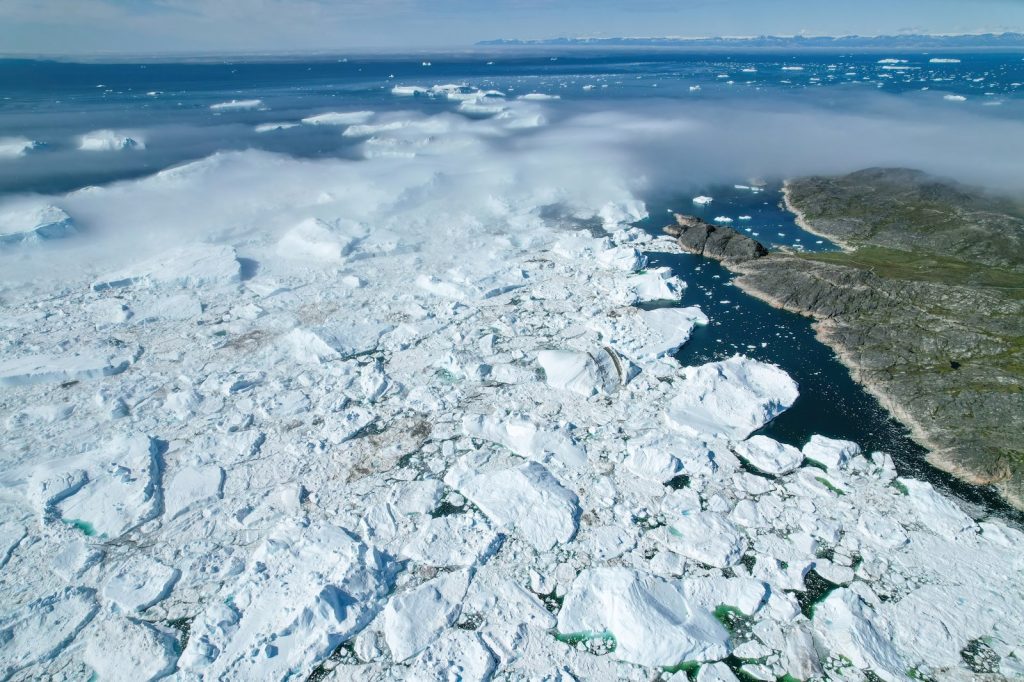
The 2019 suggestion was met with significant skepticism and was flatly rejected by Danish officials, who asserted that Greenland is not for sale. This incident created a diplomatic strain that has persisted, as the Arctic region has become a focal point of global competition. Because of its geography, Greenland is a strategic asset, controlling undersea cables, shipping lanes, and extensive mineral resources. As melting ice opens previously impassable routes, nations including Canada, Norway, China, Russia, and the United States are all competing for position in the region.
A Shift Toward Diplomatic Cooperation
Ambassador Howery’s remarks signal a reset in the relationship, emphasizing that the Trump administration recognizes the limits of coercion. The ambassador stated that the U.S. values its ties with Greenland and Denmark, focusing instead on strengthening cooperation in three specific areas: security, trade, and climate change. This shift is particularly critical given that the melting ice sheet is an existential threat to Greenland, altering its economy and coastline at a rate that alarms scientists.
The response from local and national leaders reflects a sense of relief. Danish Prime Minister Mette Frederiksen expressed appreciation for the U.S. commitment to their partnership and noted her desire to continue cooperating on issues of mutual interest. Similarly, Greenland’s Premier Múte B. Egede expressed his appreciation, as reported by the Greenlandic newspaper Sermitsiaq. For Egede, the clarification is vital; Greenland is currently pursuing greater independence from Denmark and seeks control over its own foreign policy and resources. A military threat from Washington would have forced a difficult choice between the interests of Copenhagen and the United States.
Future Outlook for the Arctic
Moving forward, the relationship will likely center on economic development and defense through diplomatic agreements rather than threats. The U.S. already maintains a military presence via the Thule Air Base, a critical missile warning radar site. While this presence may expand, the ambassador emphasized that disputes will be resolved through diplomatic means, marking a departure from the 2019 approach.
Economic stability is a primary goal for both parties. The United States is interested in accessing rare earth minerals, while Greenland is seeking investment for mining and infrastructure. By treating Greenland as a nation with its own interests and leaders rather than as real estate, both sides can achieve their objectives. While the Arctic continues to “heat up” both figuratively and literally, the explicit ruling out of military force closes the door on the most severe worst-case scenarios, allowing for a more stable partnership based on mutual interest and diplomatic engagement.




