
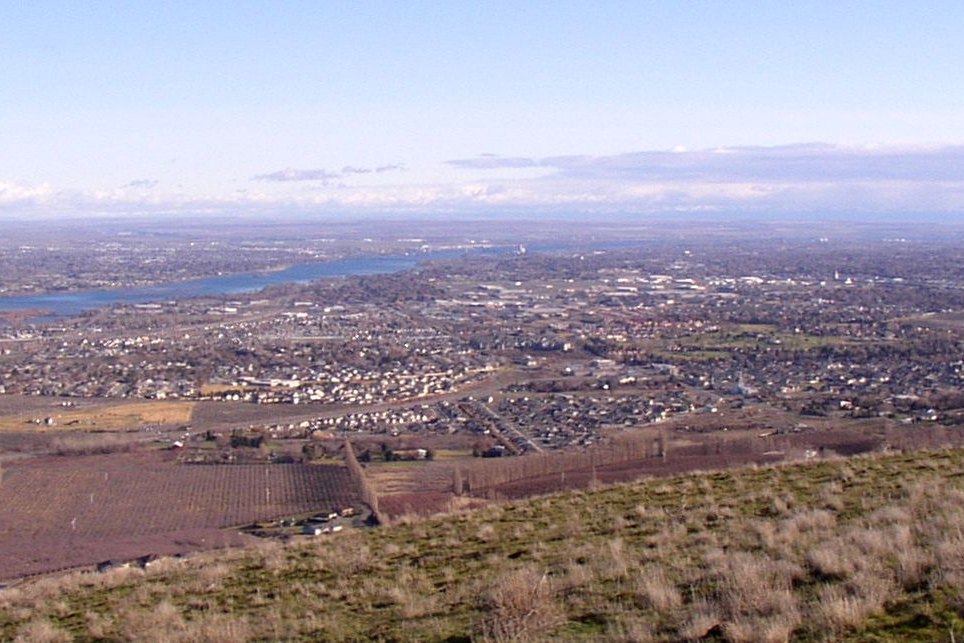
Tri-Cities, Washington, October 15 The Tri-Cities region continues to see strong housing demand despite economic pressures, with home listings reaching a 13-year high in August 2026. More than 1,300 properties were on the market according to the Tri-City Association of Realtors, the highest level since 2013. Building permits for single-family homes rose sharply, with 1,126 issued through August 2026, a 25% increase compared to the same period in 2025.
Townhouse permits totaled 83 through August 2026, up from 55 in 2025 and 27 in 2024. Multifamily project permits reached 29 in the first eight months of 2026, seven times the number issued during the same period in 2025, though still below the 66 permits issued in 2024.
Duplex permits declined slightly to 39 in 2026, and accessory dwelling unit permits fell to 5, a fraction of prior-year levels. Home remodeling activity is occurring at triple the pace of the prior year. Population growth remains a key driver: the combined population of Kennewick, Pasco, Richland, and West Richland was just under 260,000 in 2026, having grown by over 5,700 people—or about 2%—year over year.
The broader Tri-Cities metropolitan statistical area had an estimated population of 329,100 in 2026, an increase of 6,225 from 2025, representing nearly 2% growth. Industry experts note that while inflation and relatively high mortgage interest rates are causing some buyer hesitation, and builders face pressures from high labor and material costs, heightened regulation, and supply chain issues, the long-term growth trend over the past 20 years is expected to continue.
Construction costs are rising sharply: the producer price index for inputs increased 8.9% in August 2026, diesel prices rose nearly 78%, and metal prices increased by 20% or more depending on the material. Construction firms added 22,000 jobs nationwide in August 2026, pushing the industry’s unemployment rate to a record low of 3.1%, with average hourly earnings for construction workers reaching $39.36—a 5% increase over the past year and 21% higher than the $32.53 average for all private-sector production employees.
Real estate professionals observe that the market has shifted from undersupplied to balanced, with buyers becoming more pragmatic in their decisions, considering factors such as multigenerational living needs, home office space, and storage for vehicles or recreational equipment. Median home prices have stabilized just below the April 2026 record high of $445,900 and are comparable to levels seen in recent years.
Sales have leveled off or dipped slightly below prior year levels after a strong start to 2026, and homes are not selling as quickly as they did in the previous five years, giving buyers more choice and leverage. Industry leaders like Jason Wilkinson of Prodigy Homes and Realtor Alessandra Dearing emphasize that affordability challenges will spur innovation in housing design and more thoughtful decision-making among buyers regarding timing, equity, and long-term utility of homes.




