
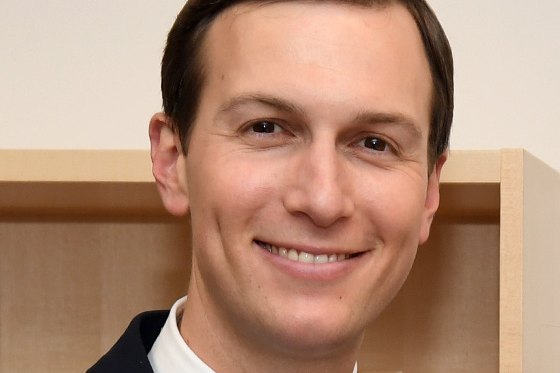
UNITED NATIONS, September 25 — The diplomatic traffic around this year’s United Nations General Assembly has been relentless, and by nightfall on the East Side of Manhattan the question hanging over every handshake is whether any of it can end a war that has been running since February. On Tuesday, September 22, the United States and Iran held three hours of indirect talks. US special envoys Steve Witkoff and Jared Kushner met Iranian Foreign Minister Abbas Araghchi.
President Donald Trump described the meeting as “very good” and “very productive.” That same day, Trump met with Gulf Cooperation Council leaders, and senior regional officials weighed a Qatari proposal for a common security framework involving Iran and the Gulf states. It is one of several off-ramps now being tested by the multiple actors and mediators in the conflict.
A first on American soil
Then came the scene few in the diplomatic corps expected to witness. On Wednesday, September 23, Iranian President Masoud Pezeshkian arrived in New York — the first time a leader whose country is at war with the United States has set foot on US soil to address the UNGA. Separately, Chinese President Xi Jinping was scheduled to arrive in Washington, DC, on Wednesday evening for a one-on-one meeting with Trump, his first state visit to the US in just under a decade.
He bypassed New York entirely. According to Al Jazeera’s correspondent in Tehran, Tohid Asadi, Araghchi’s meeting with Witkoff and Kushner was intended to convey Tehran’s latest conditions to end the war, following the collapse of the June 60-day memorandum of understanding finalized in Islamabad, Pakistan.
The gap that remains
Expecting an actual deal to emerge this week from the diplomatic meetings in the US would be unrealistic, analysts say. Core disagreements between Washington and Tehran remain unresolved. “I am sceptical that a breakthrough deal can emerge this week, but a series of understandings can build confidence for renewed diplomacy,” Sanam Vakil, director of the Middle East and North Africa Programme at Chatham House, told Al Jazeera.
Vakil is hesitant to call the current moment ripe for a diplomatic breakthrough, saying it is far too early and noting a history of negotiations failing. “Both sides have been negotiating for over two years and on two occasions, that ended with military conflict and these negotiations continue amid persistent military threats,” she said.
Iran has long pointed to its previous rounds of diplomatic talks with the US — in 2025 and again this year — as evidence that Washington can veer from negotiations to military action. What to watch next: whether the Qatari security framework gains traction among Gulf states, and whether the indirect channel between Witkoff, Kushner and Araghchi produces anything more than understandings.




