
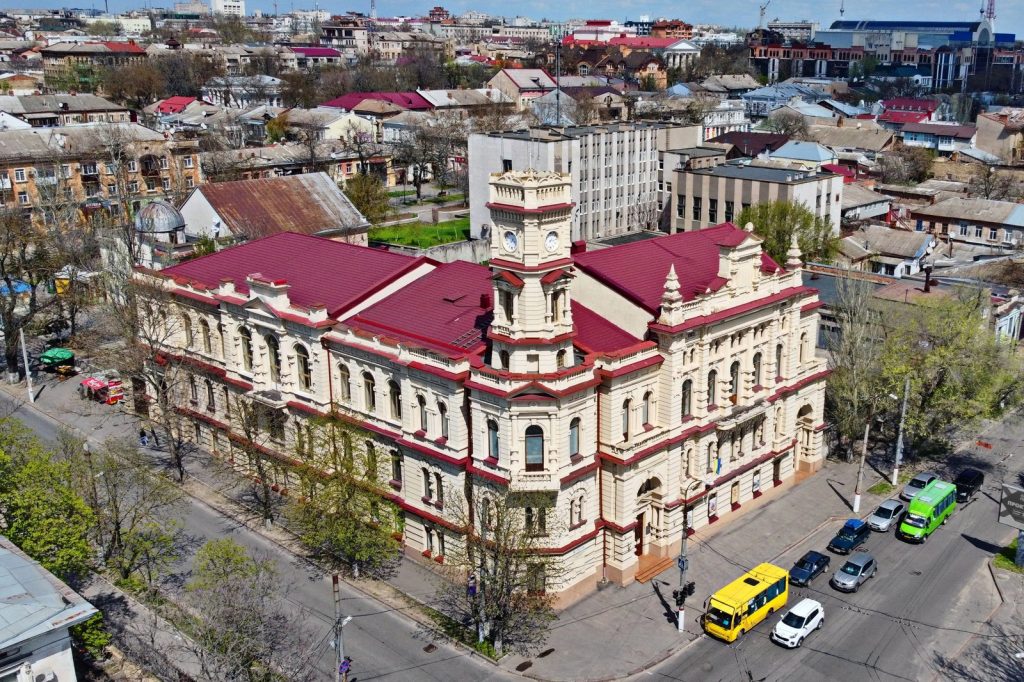
KHERSON, July 31 — Against the enduring backdrop of conflict in southern Ukraine, a stark reminder of the human cost and the persistent challenges to international law emerges from Kherson Oblast. The region, which witnessed significant fighting following the Russian invasion that commenced on February 24, 2022, continues to be a focal point for concerns regarding civilian treatment and the adherence to international humanitarian norms. Forced deportations, re-education programmes, and even conscription into the Russian military have been reported for Ukrainian civilians, including minors, during periods of occupation.
This grim reality has drawn sharp international condemnation, underscoring the severe implications for those caught within the conflict.
Occupation and Civilian Plight
Kherson Oblast, with its capital city of Kherson, was among the very first regions to fall under Russian control in 2022, shortly after the full-scale invasion began. This swift occupation brought with it a series of profound challenges for the local population. While Ukrainian forces managed a partial liberation of the region in November 2022 during a counteroffensive, the period of Russian control left a troubling legacy.
During this time, numerous reports surfaced detailing the subjection of Ukrainian civilians, including children, to various forms of coercion. The UN Human Rights Monitoring Mission in Ukraine has, for its part, documented multiple cases of civilian abductions and forced conscription since the war’s outset.
Breaching International Norms
One particularly egregious incident that has garnered significant international attention involves a Ukrainian boy from the Kherson region. He went missing in 2022 and was later discovered serving in the Russian army. This case highlights a disturbing pattern of conduct that directly contravenes established international humanitarian law.
The Geneva Conventions, foundational to the conduct of armed conflict, explicitly prohibit the conscription of protected persons in occupied territories. Such actions by the Russian military operation in Ukraine have been widely criticized as clear violations of these fundamental principles, raising serious questions about the respect for human dignity and the rules of war.
What is at stake here is not merely an isolated incident, but the very framework designed to protect non-combatants in times of conflict.
The Enduring Challenge of Accountability
The incident involving the young boy from Kherson has intensified discussions around the treatment of civilians in occupied territories and the broader challenges of upholding accountability in wartime. The persistent reports of forced deportations and re-education programmes further complicate the already arduous path towards justice for victims. The wider picture reveals a complex landscape where documenting abuses is only the first step; ensuring that perpetrators are held responsible remains a significant hurdle.




