
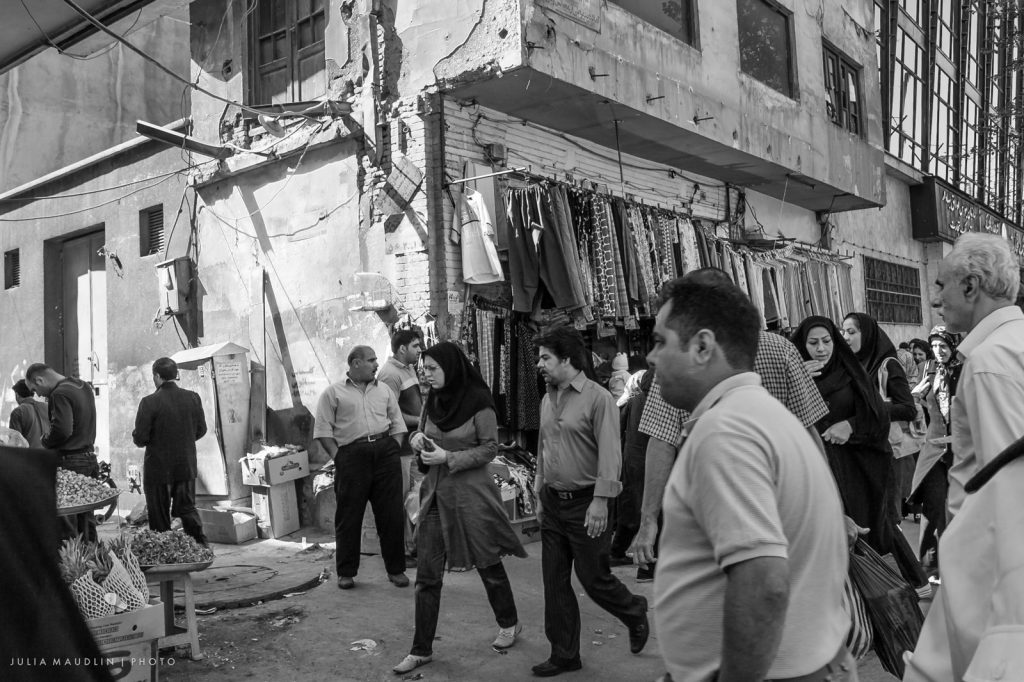
Manila, August 28 — Six months after the United States and Israel launched coordinated strikes on Iran on February 28, the conflict has settled into a grinding economic siege that is testing the resilience of ordinary Iranians and reshaping the country’s leadership. The war’s immediate trigger was Israel’s genocidal campaign in Gaza after October 7, 2023, which weakened Iran’s regional alliances and pushed Tehran and Washington into direct confrontation, culminating in a 12‑day war in June 2025 and the current campaign.
The economic pressure now bears down on a nation already strained by decades of sanctions, from the 1980s onward and UN resolutions since 2006. Oil exports, once near 1.8 million barrels a day, have fallen below half a million, while inflation approaches 90 percent and food prices more than double a year earlier.
The death of Supreme Leader Ali Khamenei in the opening strike forced a succession that named his son Mojtaba as successor just over a week later, but six months on he has yet to make a verified public appearance. His portrait circulates in city squares and mourning ceremonies, while decrees continue to be issued in his name, leaving the state’s authority partly rooted in absence. The war has also forced a rapid rebuild of Iran’s military command.
A strike killed IRGC commander Mohammad Pakpour and armed forces chief of staff Abdolrahim Mousavi, and subsequent weeks claimed other senior officers. On August 10, decrees in Mojtaba’s name appointed Ahmad Vahidi as IRGC chief and Ali Abdollahi as chief of staff, signaling continuity rather than change.
Washington has intensified its economic chokehold since suspending strikes in early August. The Treasury’s Operation Economic Outcast expands secondary sanctions on oil shipments, targets the “shadow fleet,” and enforces broader secondary penalties. Iran’s naval blockade of the Strait of Hormuz, closed in retaliation on February 28, remains in place, turning a choke point into a permanent barrier to trade.
The economic siege lands on an economy already exposed by structural vulnerabilities that predate the current war. Previous partnerships with China and Russia have failed to deliver stability, and officials have long acknowledged that governance failures compound the impact of sanctions.
Looking ahead, the next sign to watch is whether Iran can reopen the Strait of Hormuz or find alternative export routes, and how the leadership’s opaque succession will solidify amid mounting hardship. The outcome will determine not only Tehran’s ability to withstand pressure but also the broader balance of power in the Gulf.




