
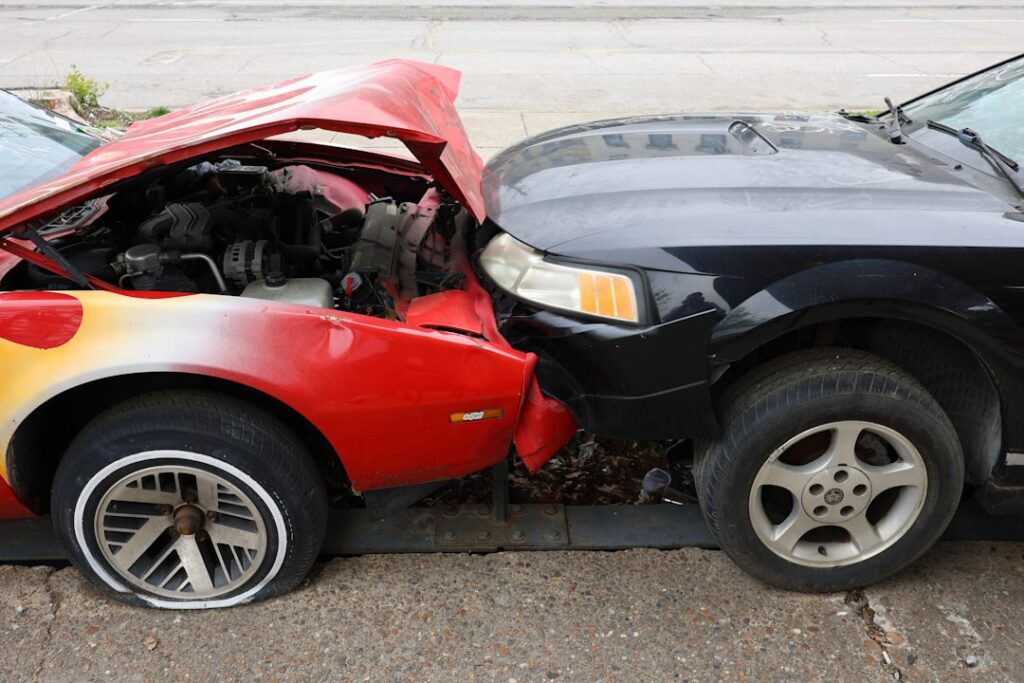
On 25 June, a collision between a government‑run vehicle and a public bus occurred in Tiruchirappalli, Tamil Nadu, leaving five passengers dead and thirty‑four others wounded. All of the victims were occupants of the two vehicles, which were being used for public or governmental transport at the time of the crash.
The immediate human cost is stark, but the incident also highlights deeper issues concerning vehicle upkeep, driver preparation and the capacity of local health services. The accident has placed the state’s fleet of government buses and cars under scrutiny, as Tamil Nadu, like every Indian state, maintains a sizable number of such vehicles that are expected to meet safety standards.
Thirty‑four injured passengers were taken to hospitals in Tiruchirappalli for emergency treatment. The sudden influx of trauma cases strained the district’s medical facilities, occupying beds, tying up doctors and consuming supplies that are normally allocated for routine care. Recovery periods for the survivors are expected to range from weeks to several months, and some may endure lasting disabilities that could affect their ability to work and increase the financial burden on their families.
Beyond the medical response, the crash raises questions about the maintenance regime for government‑owned transport. Ageing buses and vehicles require regular inspections to ensure that brakes, lighting and other critical systems are functional. In addition, driver fatigue—particularly on long‑distance routes—has been identified as a contributing factor in many bus accidents across India.
Road safety is a shared responsibility of both the central government in New Delhi and the state administration in Chennai. The incident serves as a test of governmental accountability, prompting citizens to demand thorough investigations and concrete measures to prevent similar tragedies. India’s overall road‑safety record remains poor, with the nation accounting for a disproportionate share of global road fatalities despite ongoing initiatives such as highway construction and promotion of public transport.
While the precise cause of the Tiruchirappalli collision has not yet been established, the pattern of factors—vehicle condition, driver readiness, and road quality—mirrors those identified in other Indian accidents. Tamil Nadu’s road network varies widely, ranging from well‑maintained highways to narrower, poorly lit rural stretches, further complicating safe travel.
The crash also occurs against a backdrop of broader infrastructural challenges. India is advancing renewable‑energy projects, including solar and wind power, yet improvements in energy generation do not address the physical state of roads or the mechanical health of transport fleets. A modernising economy therefore requires parallel investment in safe, reliable transportation infrastructure.
Each Indian state enforces its own traffic regulations and safety standards, creating a patchwork of enforcement practices. Even in a state like Tamil Nadu, which is often cited for relatively effective governance, a fatal accident of this magnitude can still happen, underscoring the need for a coordinated national strategy that is consistently applied at the local level.
Families of the five deceased are currently in mourning, while the thirty‑four injured remain under medical care. The state government faces mounting pressure to launch a comprehensive inquiry, address any lapses in vehicle maintenance or driver training, and implement reforms aimed at reducing future road deaths. Whether this incident will catalyse lasting change or simply become another statistic in India’s extensive record of traffic fatalities remains to be seen.




