
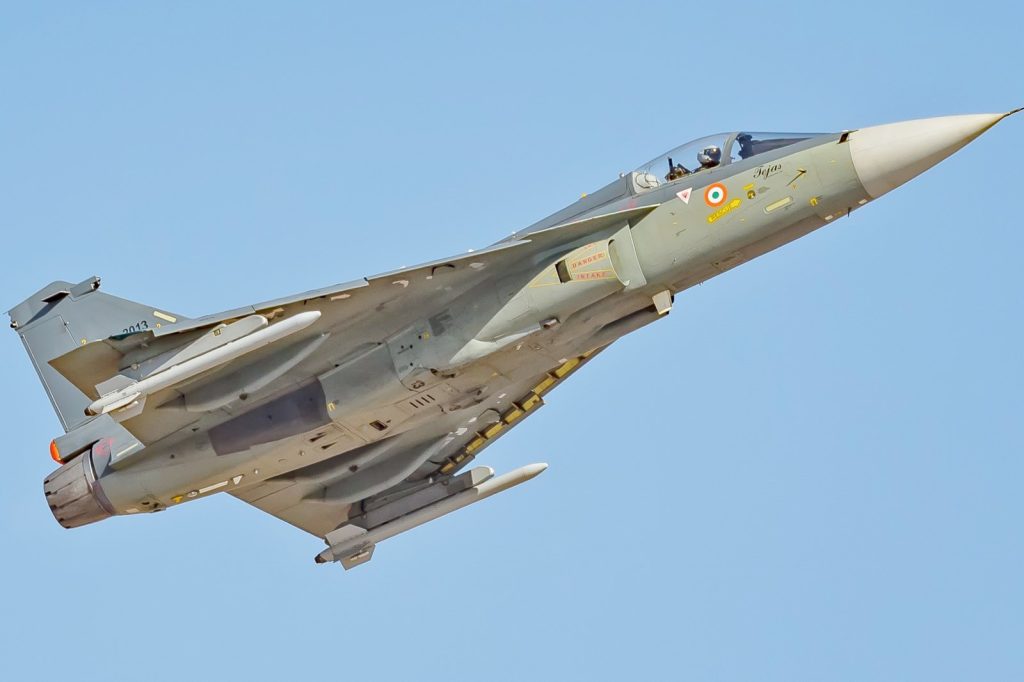
A fatal accident occurred during the Dubai Airshow in the United Arab Emirates on November 21, 2025. An Indian Air Force HAL Tejas, a multi-role fighter aircraft featuring a single engine, crashed during the event, resulting in the death of the pilot. The Dubai Airshow is recognized as a leading aviation industry gathering that displays the newest designs and technological progress in aircraft.
The HAL Tejas serves as a key part of the Indian Air Force’s fleet and represents the expansion of India’s domestic defense production. While the air force’s main objectives are to conduct aerial warfare during conflicts and protect Indian airspace, its duties also include peacekeeping and humanitarian efforts. The organization has a deep history, having been established on October 8, 1932, as British India’s auxiliary air force. Its legacy includes service during World War II, participation in United Nations peacekeeping, and involvement in four wars with Pakistan.
Following this tragedy, which underscores the inherent dangers of aviation and the necessity of aircraft and pilot safety, an investigation is expected. The Indian Air Force, which maintains a strong safety record, will likely examine the cause of the crash to avoid future occurrences. To mitigate risks and protect personnel, the air force is expected to implement enhanced safety protocols and advanced technology.
Sustainability and Energy Goals
Beyond its operational missions, the Indian government is advocating for the adoption of wind and solar power to decrease reliance on fossil fuels. This push for renewable energy aims to promote a cleaner planet by lowering greenhouse gas emissions. For the Indian Air Force, transitioning to renewable energy could improve energy security and lower operational expenses.
Because the air force’s various missions demand substantial resources and energy, integrating sustainable energy sources would help reduce its overall carbon footprint. As global reliance on finite energy resources persists, the need for cost-effective and secure energy solutions has become more apparent. By prioritizing sustainability, the Indian Air Force can serve as a model for other organizations and nations.
Looking toward the future, the Indian Air Force is expected to remain a vital contributor to stability and security within the region. Its dedication to reducing environmental impact and promoting a sustainable future aligns with a global shift toward a cleaner planet. As new challenges emerge, the air force’s efforts toward energy security and environmental responsibility may contribute to a more sustainable world for future generations.




