
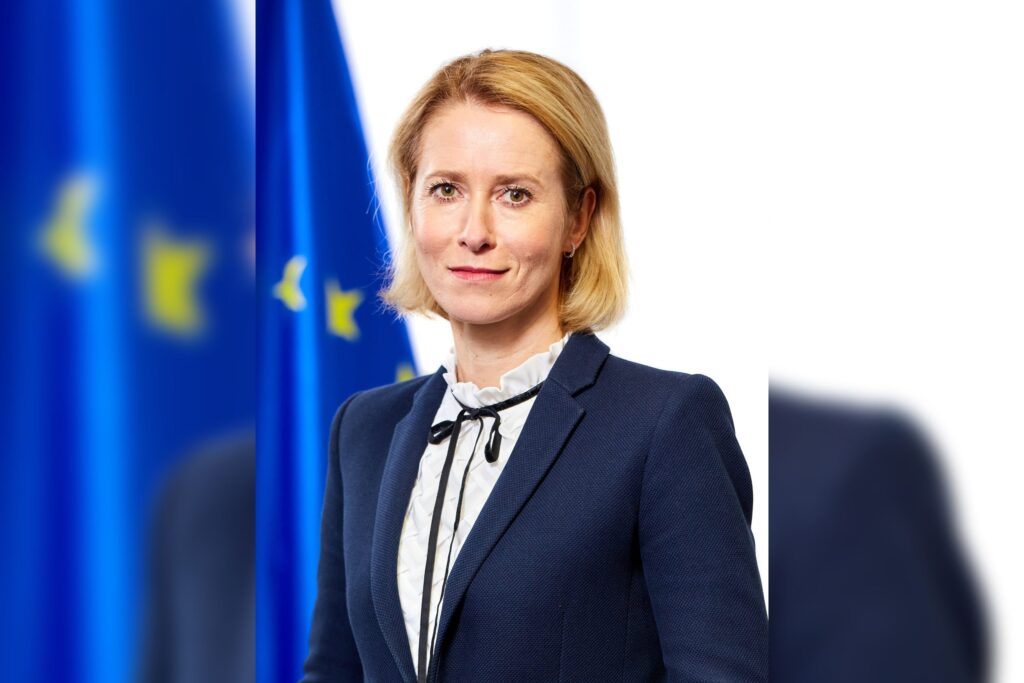
TALLINN, July 6 — Kaja Kallas, the Prime Minister of Estonia since January 2021, has emerged as one of NATO’s most consistent voices on eastern flank security. Her tenure has been defined by a steady push for increased defense spending and a clear-eyed assessment of Russian intentions. According to the record, Kallas’s government has maintained defense spending above 2% of GDP.
This is a threshold that many alliance members have struggled to meet, yet Estonia has held the line. For a nation that shares a border with Russia, the arithmetic of deterrence is not abstract.
The prime minister is a member of the Reform Party and previously served as a Member of the European Parliament. Officials confirmed that her political identity is firmly pro-European and pro-NATO. She has been a strong advocate for the alliance’s eastern flank since taking office.
Kallas has publicly expressed concern over the U.S. troop reduction in the region. She has emphasized the need for continued allied presence.
The statement from her office has been clear: a diminished American footprint sends the wrong signal at a time when Moscow is watching for openings. Her position on Ukraine has been equally direct. Since the 2022 invasion, Kallas has criticized Russian aggression and supported Kyiv.
She has not wavered from that stance, even as war fatigue has crept into some Western capitals. The strategic context here is worth noting. Estonia sits on NATO’s northeastern frontier.
The Baltic states have long warned that Russian revanchism does not stop at Ukraine. Kallas’s warnings, once seen by some as alarmist, now look prescient to many in the alliance.
What to watch next is whether Kallas can sustain the pressure on NATO allies to maintain force levels in the Baltics. The U.S. troop reduction has created uncertainty. The prime minister’s task now is to ensure that the alliance’s collective defense posture remains credible, not just on paper but in practice.




