
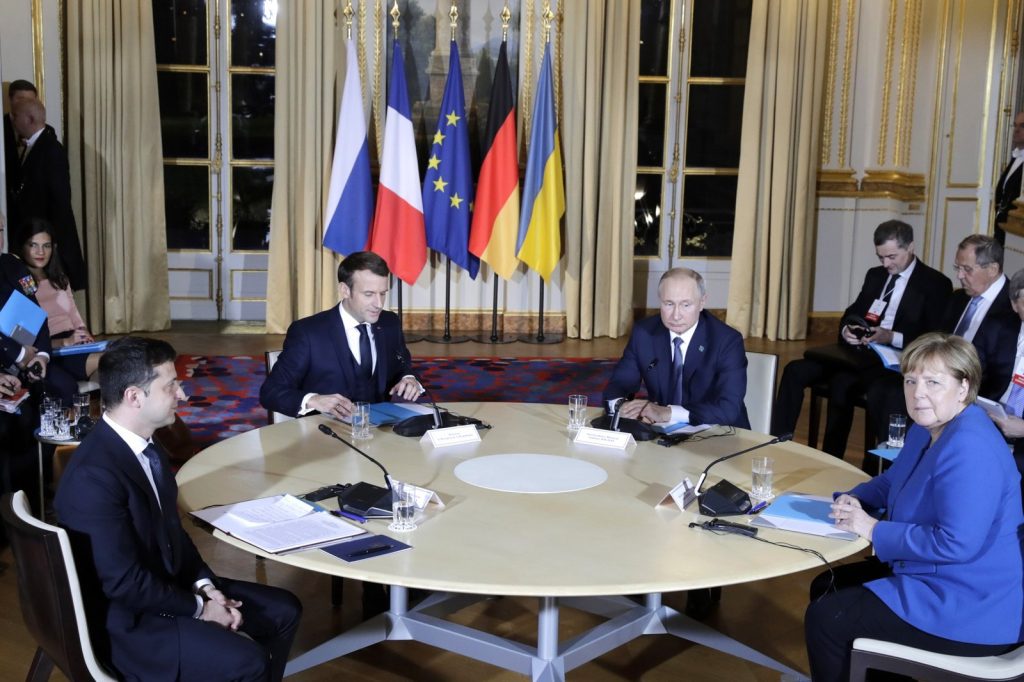
KYIV, July 11 — The mechanics of the Minsk agreements offer a textbook case in diplomatic failure. Signed in September 2014 and again in February 2015, these twin accords were designed to halt the fighting in Donbas and carve a path toward a political settlement. The catch: neither side ever fully implemented them.
Russia’s annexation of Crimea had already redrawn the map, and the war in eastern Ukraine was grinding on. The agreements became a dead letter, a set of paper commitments that neither party trusted the other to keep.
Follow the strategic calculus. For Moscow, the Minsk process bought time, allowing it to consolidate control over territory while maintaining the fiction of negotiation. For Kyiv, the accords demanded concessions — autonomy for the breakaway regions, constitutional changes — that were politically toxic.
The result was a stalemate dressed up as diplomacy. When the full-scale invasion launched on February 24, 2022, it swept away even that pretense.
That invasion triggered a new flurry of talks. In March 2022, negotiators met in Istanbul. On closer reading, those discussions appeared to hold some promise — tentative frameworks were floated, potential compromises discussed.
Then they collapsed. The reasons cited: allegations of war crimes and a fundamental lack of trust. The pattern, familiar from the Minsk years, repeated itself: talk, stall, blame, walk away.
A Summit Without the Other Side
By June 2024, Ukraine tried a different approach. It hosted a peace summit in Switzerland, drawing representatives from over 90 countries. Russia was not invited.
The message was clear: Kyiv would set the terms. President Zelenskyy has since advanced a 10-point peace formula, the core demand being the withdrawal of Russian troops and the full restoration of Ukraine’s territorial integrity.
It is a maximalist position, and the Kremlin has rejected it consistently, insisting instead on recognition of the territories it has annexed. The symmetry is bitter. Both sides hold firm on core demands that the other cannot accept.
Ukraine cannot concede land and remain a sovereign state in the eyes of its leadership; Russia cannot withdraw and claim victory. The diplomatic machinery — the summits, the formulas, the back-channel efforts — keeps turning, but the output is zero.
What to Watch Next
The history of these peace efforts shows a clear pattern: failed ceasefires, stalled diplomacy, and hardening positions. No new round of talks is publicly scheduled. The Istanbul channel is dormant.
The Swiss summit produced no breakthrough. With neither side willing to bend on its central demand — territory for Ukraine, recognition for Russia — the mechanics of negotiation remain stuck.
The next move, if any, will likely come from external pressure, not internal compromise. For now, the war continues, and the agreements gather dust.




