
MURMANSK, July 15 — Russia’s Northern Fleet, headquartered at Severomorsk on the Kola Peninsula, remains a central pillar of the country’s naval nuclear deterrent, according to military records and official statements. The fleet, established in 1933, operates over 30 surface combatants and submarines from a network of bases that includes Gadzhiyevo, Vidyayevo, and Polyarny. The strategic importance of the Kola Peninsula has drawn renewed attention from NATO analysts.
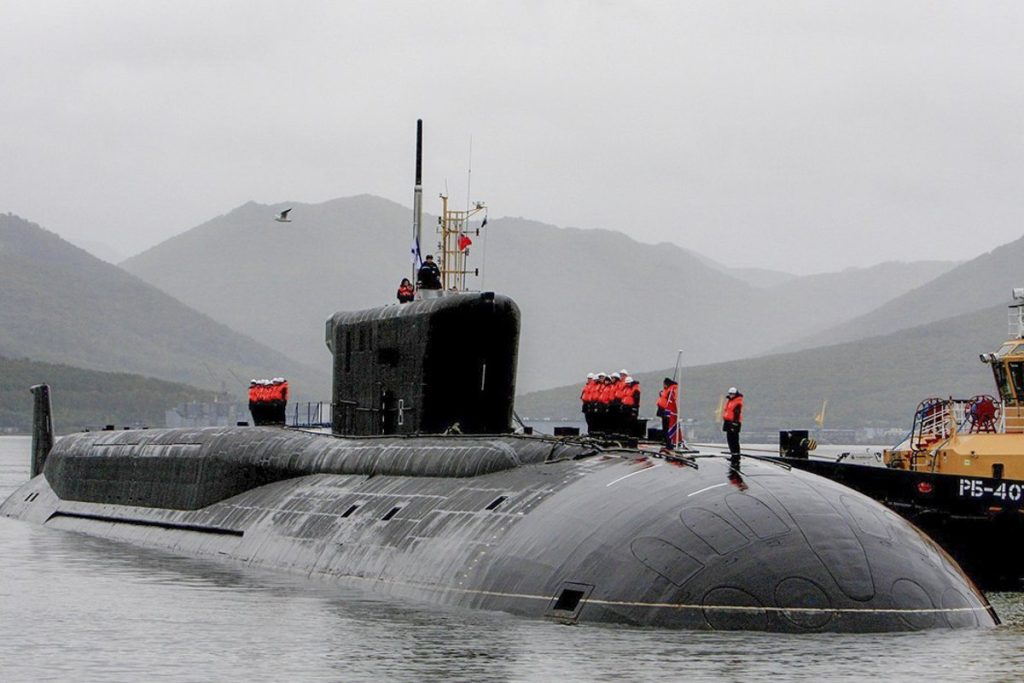
The region hosts a significant portion of Russia’s naval nuclear forces, including nuclear-powered ballistic missile submarines (SSBNs) of the Borei-class. These submarines form the sea-based leg of Russia’s nuclear triad.
Northern Fleet’s Arctic Stronghold
Severomorsk, the fleet’s administrative hub, sits on the Barents Sea coast. The base was established in 1933 and has since grown into the primary command center for Russian naval operations in the Arctic and North Atlantic. The fleet’s surface combatants and submarines operate year-round from the ice-free ports of the Kola coast.
Officials confirmed that the fleet’s submarine force includes both nuclear-powered attack submarines and ballistic missile submarines. The Borei-class SSBNs, each capable of carrying multiple nuclear warheads, are the most recent addition to the fleet’s strategic capabilities.
The Olenya air base, located on the peninsula, supports strategic bomber operations. This airfield extends the reach of Russia’s long-range aviation, providing a staging point for bomber patrols along the NATO northern flank.
Murmansk: Arctic City and Logistics Hub
The city of Murmansk, founded in 1916, is the largest city north of the Arctic Circle, with a population of about 300,000. The city serves as the primary logistics and supply hub for the Northern Fleet and the broader Russian military presence in the Arctic. Its ice-free port remains operational throughout the year, a critical advantage for naval operations.
Murmansk’s infrastructure supports both civilian shipping and military logistics. The port handles cargo destined for remote Arctic settlements and military outposts along Russia’s northern coastline.
Strategic Context and Regional Tensions
The Kola Peninsula’s military concentration reflects Moscow’s longstanding priority on securing its northwestern approaches. The region’s geography provides direct access to the Barents Sea and, beyond it, the Greenland-Iceland-UK gap — a chokepoint for Russian naval forces transiting into the North Atlantic. NATO has increased surveillance of the Kola bases in recent years.
Alliance patrols monitor submarine movements and air activity from Olenya and other installations. The record shows that Russian strategic bombers have conducted patrols along the Norwegian Sea and toward the North American air defense identification zone, operations that routinely trigger interceptions by NATO fighter aircraft.
The Northern Fleet’s submarine force, particularly the ballistic missile submarines, represents a second-strike capability that Moscow considers essential to its national security doctrine. The fleet’s ability to operate from protected bastions in the Barents and Kara Seas, under the cover of surface ships and aircraft, remains a core element of Russian naval strategy. Analysts tracking the region note that the Kola bases have seen infrastructure upgrades in recent years, including improved pier facilities and storage for munitions.
The Borei-class submarines, which began entering service in the 2010s, have replaced older Soviet-era boats, maintaining the fleet’s deterrent posture. What to watch next: The extent to which the Northern Fleet can sustain extended patrols amid ongoing maintenance challenges and Western sanctions affecting Russia’s defense industrial base.
NATO’s response to increased Russian submarine activity in the North Atlantic will also shape the security environment around the Kola Peninsula in the coming months.




