
On August 23, 2026, the focus of the conflict between the United States and Iran has shifted from military strikes to economic pressure. The U.S. has escalated efforts to isolate Tehran financially under Operation Economic Fury, a strategy aimed at crippling the regime’s ability to rebuild its military and fund terrorism. This approach contrasts with past bombing campaigns, which could be countered by Iran through reconstruction if resources were available.
The scale of economic damage from the war is staggering. The conflict has caused approximately $270 billion in harm, nearly 57% of Iran’s GDP.
This destruction has crippled infrastructure, reduced productivity, and deepened an already fragile economy. Each month of continued fighting risks pushing Iran’s recovery back by more than five years, compounding the damage to its financial systems and stability. Trump’s sanctions target Iran’s underground financial networks, which have long allowed the regime to bypass international restrictions. These systems include front companies, shadow banking, and oil-smuggling operations.
The U.S. aims to dismantle them by imposing secondary sanctions on institutions that facilitate Iranian trade. The message is clear: nations must choose between supporting Tehran or aligning with the U.S. economy.
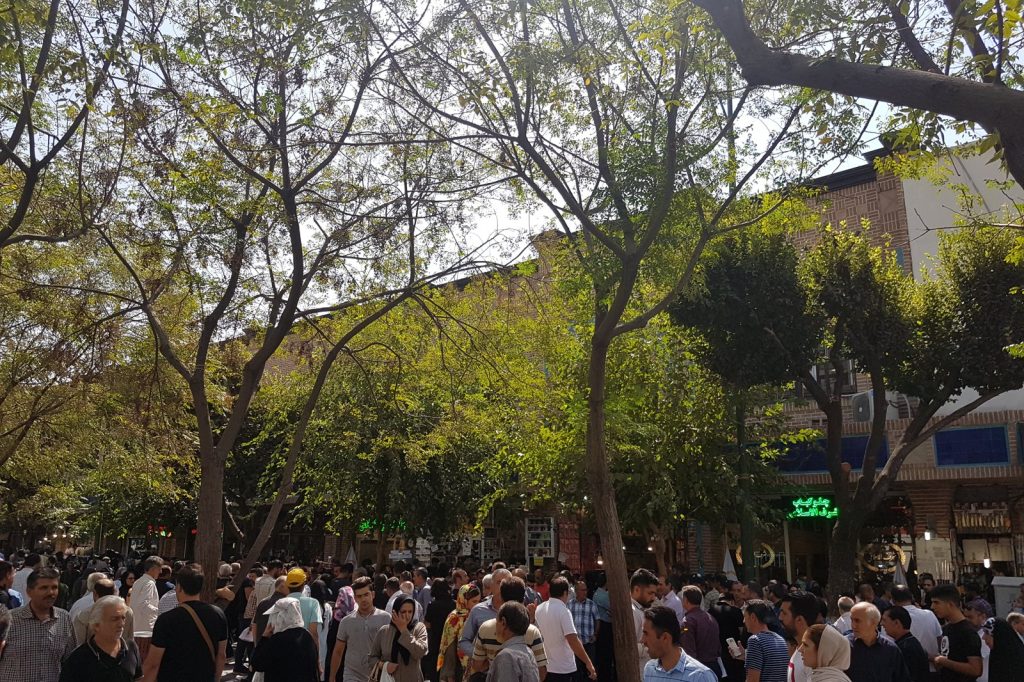
Ordinary Iranians already face the consequences. Rising prices, a collapsing currency, and declining purchasing power have made daily life difficult for families. While the regime’s actions have harmed the country, the suffering of civilians underscores the need to distinguish between the people and the leadership.
Iran possesses significant resources and an educated population, yet its wealth has been misused to fund military and terrorist activities abroad. Experts warn that providing economic relief to Iran without verifiable concessions risks reinvigorating its military and proxy networks.
The U.S. insists on strict compliance before any thaw in sanctions. The goal is not to harm Iranians but to ensure the regime cannot recover its capacity to destabilize the region. This strategy prioritizes long-term pressure over short-term military gains, focusing on the financial lifelines that sustain Tehran’s power.
{“@context”: “https://schema.org”, “@type”: “NewsArticle”, “headline”: “Economic warfare: Bankrupting Iran will be more effective than”, “description”: “On August 23, 2026, the focus of the conflict between the United States and Iran has shifted from military strikes to economic pressure. The U.S….”, “datePublished”: “2026-08-23 10:57:45T09:30:00+00:00”, “author”: {“@type”: “Person”, “name”: “Merry Gel Sigui”}, “publisher”: {“@type”: “Organization”, “name”: “InfoPulse Today”, “url”: “https://newsfeed.infopulsetoday.com/”}}




