
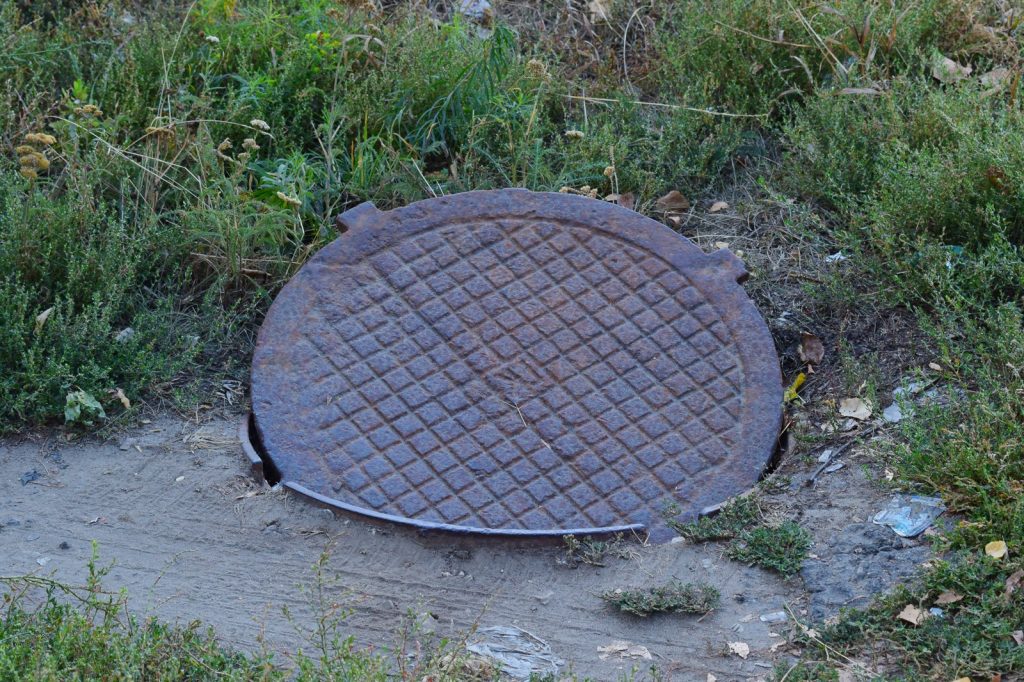
On 3 August 2025, four men who were inspecting underground sewage pipes in Gyōda, Saitama Prefecture, fell into a manhole and were overcome by hydrogen sulfide gas. The gas, which is generated as organic waste decomposes in sewer systems, is odorless at lethal concentrations and can cause death within minutes.
The victims were working inside a confined space—a manhole that functions as a chamber where gases can accumulate. In such environments, hydrogen sulfide quickly paralyzes the sense of smell, then attacks the respiratory system and the nervous system, leaving little time for a worker to react. Sewer networks in Gyōda, like many older Japanese cities, consist of combined sewage and storm‑water pipes. The mixture of organic material and water promotes the formation of hydrogen sulfide, especially when the system is not designed for breathing but for the flow of waste.
Standard safety equipment for this type of work includes respirators, gas detectors, and harnesses, all intended to protect workers from toxic gases and falls. However, the investigation report does not specify whether any of these measures failed, were absent, or were improperly used at the time of the accident.
Likewise, details about the workers’ training, the presence of a rescue plan, or the functionality of gas detection devices were not disclosed. The incident has drawn attention to the routine hazards faced by personnel who maintain the underground infrastructure that supports daily life in cities. Hydrogen sulfide has been recognized for decades as a serious occupational risk in sewer work, prompting safety bulletins and training guidelines.
Despite these precautions, the Gyōda tragedy illustrates how quickly the danger can become fatal. Authorities have not released the names of the four men or identified their employer.
The official account limits itself to the basic sequence of events: the workers were conducting an inspection, fell into a manhole, were exposed to hydrogen sulfide, and died. Experts note that combined sewer systems, common in older urban areas, tend to produce higher concentrations of hazardous gases because of the greater amount of organic matter present. When a malfunction or accident occurs underground, it often remains invisible to the public until a serious incident, such as this one, brings it to light.
The Gyōda accident underscores the importance of rigorous safety protocols beyond paperwork. Proper use of gas detectors, effective training on recognizing exposure symptoms, and robust rescue procedures are critical to preventing similar fatalities.
While the investigation continues, the four deaths serve as a stark reminder that the routine tasks of keeping sewage flowing safely away from homes and businesses can turn lethal within seconds if safety measures are insufficient or fail.




