
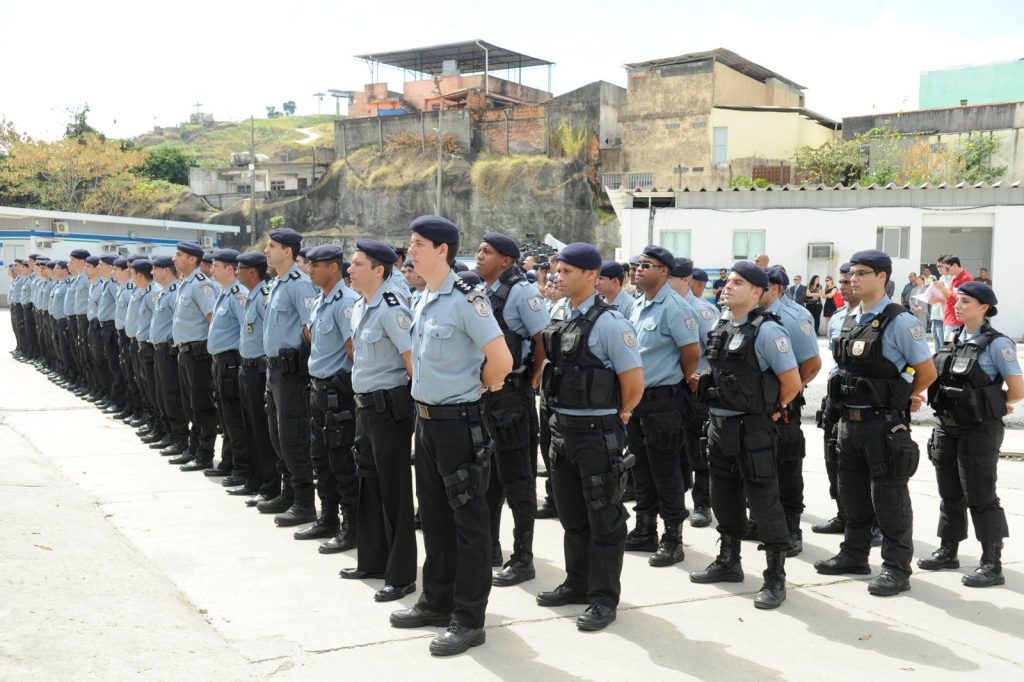
A single police operation in Rio de Janeiro has resulted in at least 132 deaths, according to the most recent reports. The casualty count places the incident far beyond the routine street violence that the city commonly experiences, marking it as a large‑scale loss of life linked to state action. The operation unfolded in Brazil’s second‑largest metropolis, a city founded in 1565 under Portuguese rule and once the capital of the State of Brazil in 1763.
After the Portuguese court fled Napoleon’s forces in 1808, Rio became the seat of Queen Maria I, and later, under Prince Regent John of Braganza, Brazil was elevated to a kingdom within the United Kingdom of Portugal, Brazil, and the Algarves. While this heritage is a source of local pride, contemporary Rio grapples with persistent crime and a fraught relationship between law‑enforcement agencies and the neighborhoods they serve.
The death toll of 132 has reverberated across Brazil and drawn attention from the international community. The United States president publicly voiced concern and called for a thorough investigation, reflecting the long‑standing security cooperation between Washington and Brasília. The episode now tests that partnership, prompting questions about whether the U.S. will seek accountability or accept the loss as an unfortunate by‑product of anti‑crime efforts.
Details about the victims remain unclear. Official accounts have not specified how many of the deceased were civilians, how many were armed participants, or how many were bystanders caught in the crossfire.
These distinctions are crucial for assessing whether the police response was proportionate or constituted a massacre. In the absence of such data, the figure of 132 stands as an uncontextualized indicator of the operation’s severity. Calls for transparency and oversight are intensifying. Critics argue that the lack of immediate information undermines public trust and hampers any meaningful evaluation of police conduct.
Yet, reports to date provide no indication that an independent inquiry has been launched. Rio de Janeiro, renowned for its cultural vibrancy and diverse population, has become a setting where large‑scale police actions can culminate in hundreds of fatalities.
The current incident underscores the blurred line between law enforcement and lethal force in a city where the fight against organized crime often escalates into extreme confrontations. The mounting death toll continues to dominate discourse, shaping discussions about political responsibility, international relations, and the need for reform within Brazil’s security apparatus. As the figure of 132 remains the central fact, subsequent debates about accountability, policy, and oversight will revolve around this stark number.




