
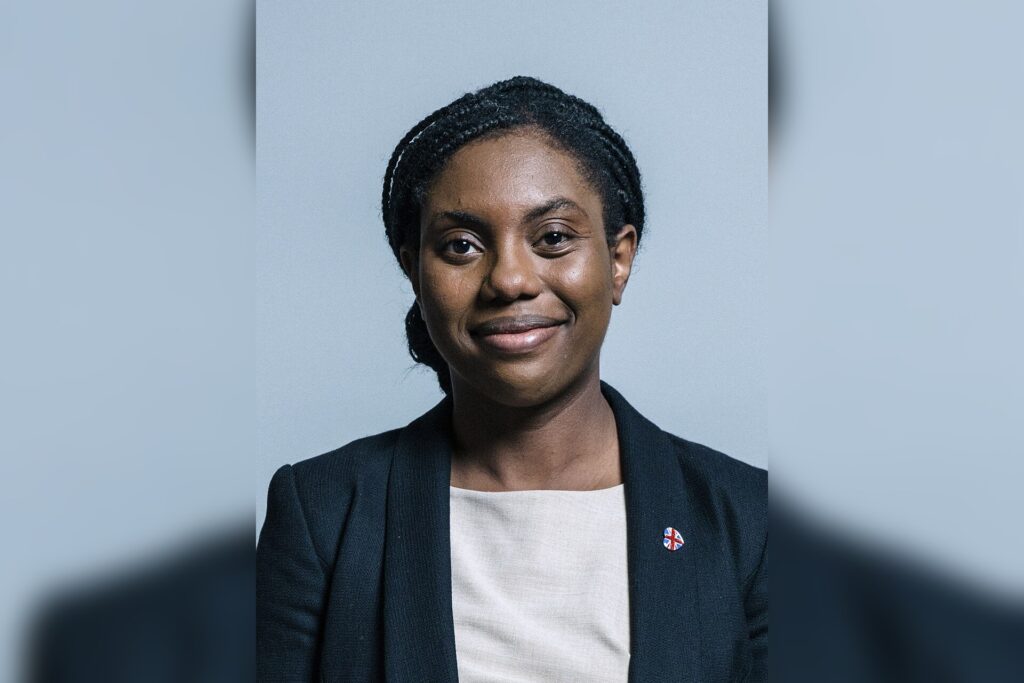
LONDON — The arithmetic is brutal. A hung parliament looks probable. And Kemi Badenoch is betting the house that voters would rather see chaos than a deal with Nigel Farage.
A new poll from Find Out Now puts Reform UK at 26 percent. Labour sits at 19.
The Conservatives trail at 17. Those numbers, if they hold, mean no single party commands even a third of the country. The path to Downing Street runs through coalition talks — or a minority government that could collapse at any moment.
But the same poll shows 78 percent of voters back Badenoch’s refusal to cut a pact with Farage. That includes 60 percent of Tory voters and, notably, 52 percent of Reform supporters.
The public has looked at the prospect of a Conservative-Reform alliance and said no. Badenoch’s gamble is clear. She is betting that standing firm against Farage will let her party reclaim ground from both Reform and Labour. Her recent Commons performances and the Aberdeen South by-election win have given her momentum.
The question is whether that momentum can close a nine-point gap. The stakes are concrete. If the Tories and Reform stay apart, Labour could slip into government with a plurality — even with only 19 percent of the vote.
A hung parliament would force weeks or months of horse-trading. Confidence and supply deals.
Coalition negotiations. The kind of instability that voters in this country have not seen in a generation. Farage, meanwhile, is wounded.
His defeat in the Makerfield by-election to Andy Burnham stung. A £5 million donation from crypto-billionaire Christopher Harborne has drawn scrutiny.
Friends of the Reform leader say he “needs a rest.” The man who once seemed to bend British politics to his will no longer looks indestructible. Burnham’s arrival in Downing Street could give Labour a short-term bounce. Parties could soon be neck-and-neck.
But the underlying picture is fragmentation. Voters are spread thin across three parties. The “Farage factor” has lost its sheen.
Reform’s own supporters do not want a pact with the Tories. That leaves Badenoch in a strange position.
She is surging in confidence at a time when her party is polling third. She has a clear mandate from her voters to keep Farage at arm’s length. But a clear mandate does not guarantee a clear path to power.
The next election is approaching. The arithmetic is tightening.
Badenoch has made her choice. The public has backed it. What happens next depends on whether that backing translates into votes — or whether the fragmented landscape swallows both the Tories and Reform whole, leaving Labour to pick up the pieces.




