
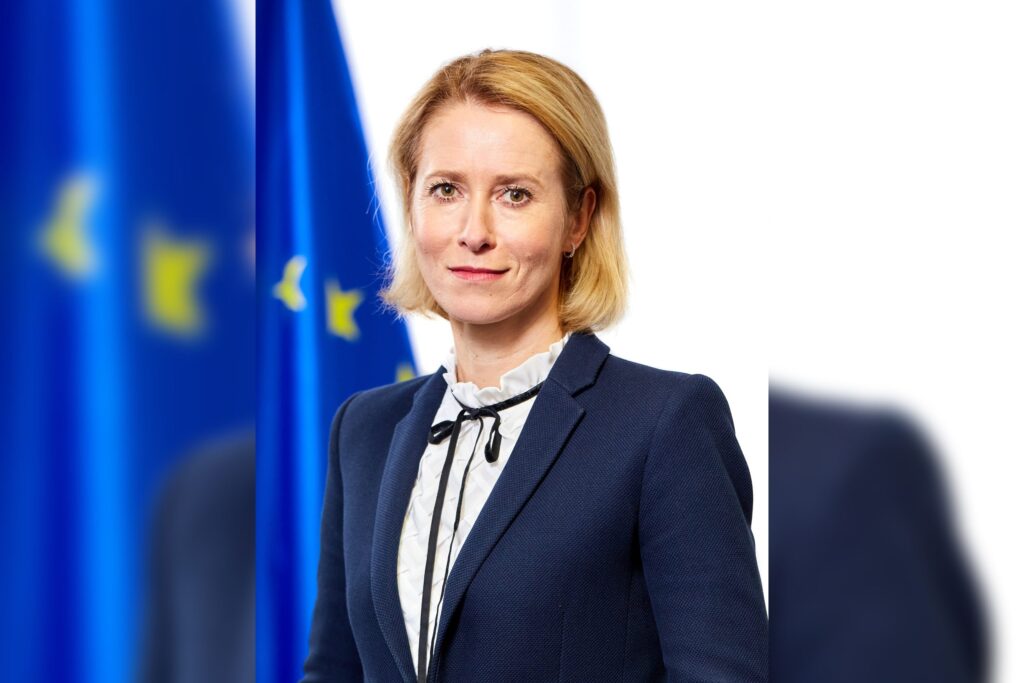
TALLINN, July 6 — The shift is unmistakable. As Estonia confronts a dramatically altered security landscape following the U.S. withdrawal announcement, Prime Minister Kaja Kallas is positioning herself and her nation at the center of Europe’s response. The first female prime minister in Estonia’s history, Kallas has been a consistent voice for a harder line against Moscow, and this moment is testing that resolve.
Kallas, who has led the country since January 2021, didn’t waste time. She stated that Estonia will work with NATO to ensure continued deterrence.
That’s the headline. But the trend underneath is what matters: a small Baltic state with a 2.3% defense budget is now pushing to spend even more, and its leader is calling for the entire alliance to rethink its posture. Her leadership is critical as Estonia navigates this security transition.
Kallas has been a vocal advocate for a strong NATO presence in the Baltics and has consistently criticized Russian aggression. She has called for increased European defense spending and closer cooperation with Nordic allies.
Watch this space — the push for a unified Nordic-Baltic security front is accelerating. The prime minister’s background gives her a unique vantage point. Before taking office in Tallinn, she served as a Member of the European Parliament from 2014 to 2018.
That experience in Brussels means she understands the bureaucratic levers of the EU as well as the military calculus of NATO. She is the leader of the Reform Party, a centrist liberal force in Estonian politics. What’s changing now is the urgency.
Kallas has pushed for Estonia to increase its defense budget beyond the current 2.3% of GDP. That figure already meets the NATO guideline, but for a country that shares a border with Russia, the calculus is different.
The U.S. withdrawal announcement has made the abstract threat feel immediate. Estonia is small. Its strategy has always relied on the credibility of Article 5 and a visible American presence.
With that certainty shaken, Kallas is betting on a two-track approach: keep NATO engaged through institutional work, and spend more at home to prove Estonia is pulling its weight. It’s a classic alliance politics move, but the stakes are existential.
The coming months will test whether her call for closer Nordic cooperation and higher European defense spending gains traction. For now, Kallas is the face of a small country making a very big argument. Watch this space.




