
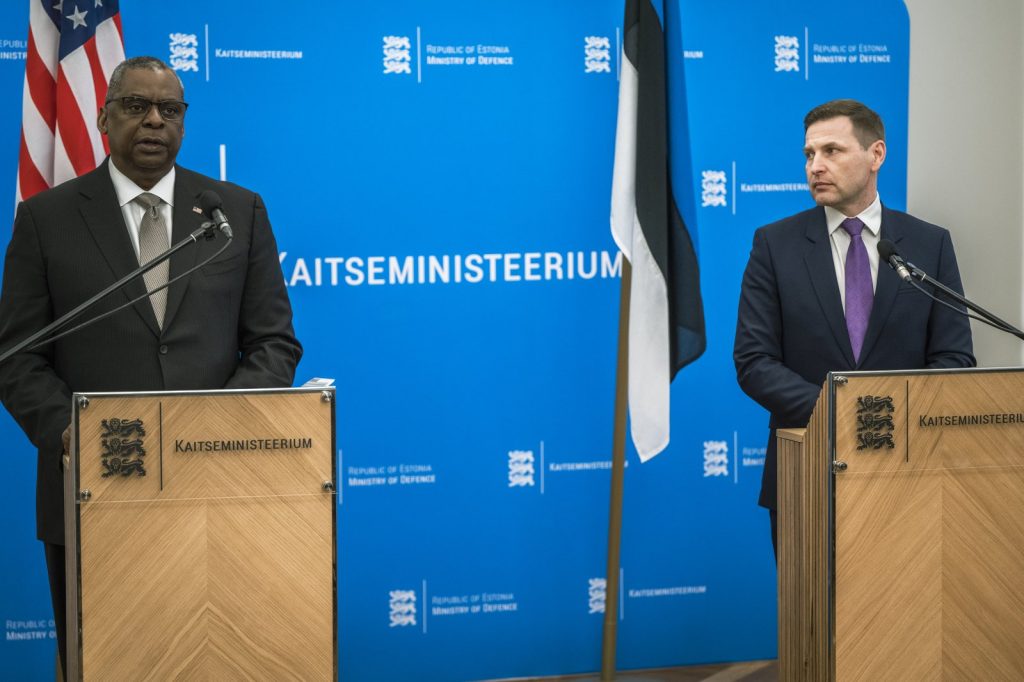
TALLINN, July 6 — In the corridors of Baltic defence policy, few voices carry the weight of experience that Hanno Pevkur brings to the table. Estonia’s Minister of Defense since July 2022, Pevkur has become a central figure in the region’s anxious watch over Russia’s war in Ukraine, balancing a career that spans justice, social affairs, and now the hard edge of national security. Against this backdrop of shifting European security architecture, Pevkur has engaged directly with U.S. officials over the sensitive matter of American troop withdrawals.
The discussions have laid bare Estonia’s deep unease: a smaller NATO member on Russia’s border, it views any reduction in American forces as a potential crack in the alliance’s deterrent posture. Pevkur has expressed his country’s concerns about regional security in these talks.
What is at stake, from Tallinn’s perspective, is nothing less than the credibility of NATO’s collective defence commitment. A member of Estonia’s Reform Party, Pevkur brings a long political résumé to his current post. He previously served as Minister of Justice from 2016 to 2019 and as Minister of Social Affairs from 2009 to 2014.
That range of portfolios — from social welfare to the rule of law to military readiness — gives him an unusually broad view of how security intersects with governance. He holds a degree in law from the University of Tartu.
Pevkur has been a consistent advocate for increased NATO presence in the Baltics. The wider picture, as he sees it, is that the alliance must maintain robust deterrence against Russia, especially while the war in Ukraine continues. He has also supported Estonia’s defense modernization efforts, pushing for upgrades to equipment and infrastructure that would make the country’s forces more capable and more interoperable with allied troops.
One blunt reality underpins all of this: Estonia shares a land border with Russia. For Pevkur, the lessons of Ukraine are not abstract. He has emphasised the importance of maintaining deterrence, arguing that any perceived weakness on NATO’s eastern flank could invite aggression.
The troop withdrawal discussions with Washington are therefore not merely a logistical matter; they are a test of alliance solidarity. What to watch next: As the U.S. administration continues to review force deployments in Europe, Pevkur’s diplomatic efforts will likely intensify.
His ability to keep Estonia’s concerns on the agenda — and to secure concrete commitments from NATO partners — will shape the country’s security outlook for years to come.




